yahoo Press
Best airline credit cards for April 2026
Images

1 / 20

2 / 20

3 / 20

4 / 20

5 / 20

6 / 20

7 / 20
8 / 20

9 / 20
10 / 20
11 / 20
12 / 20

13 / 20

14 / 20

15 / 20

16 / 20
17 / 20
18 / 20

19 / 20

20 / 20
Some offers on this page are from advertisers who pay us, which may affect which products we write about, but not our recommendations. See our Advertiser Disclosure.

Using the right credit card to book your flight is an excellent way to get the best return on big airfare purchases. Airline credit cards can also provide high-quality perks, such as free checked bags and airport lounge access. However, general travel cards might make more sense if you aren’t loyal to a specific airline.

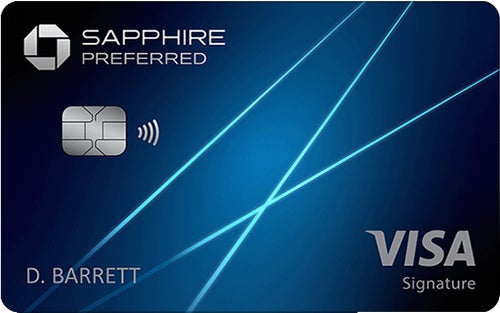
Why we like it: The Chase Sapphire Preferred is one of the best cards for travelers because it earns Chase Ultimate Rewards points. These can be used for various redemptions, including flights or transfers to a Chase transfer partner. The Sapphire Preferred provides a 25% bonus to travel redemptions made through Chase Travel℠.

Read our full Chase Sapphire Preferred review

Learn more: See our picks for the best Chase credit card

Why we like it: The Southwest Rapid Rewards Plus makes sense if you want to earn Southwest points on everyday purchases and enjoy a few additional benefits when flying Southwest. That includes 3,000 anniversary points and a 10,000 Companion Pass qualifying points boost.

Read our full Southwest Rapid Rewards Plus review

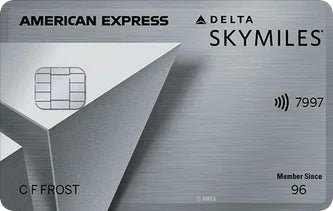
Why we like it: The Delta SkyMiles Platinum Amex has plenty of benefits for Delta loyalists, including your first checked bag free, up to $120 annual rideshare credit ($10 in statement credits per month), and up to a $150 annual Delta Stays credit. Not convinced? You also get 15% off on Delta award flights and multiple ways to earn and keep your Medallion Status. Enrollment is required for select benefits.

Delta Gold vs. Delta Platinum: Which card offers more Delta savings?

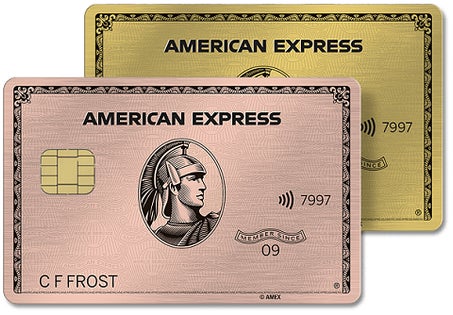
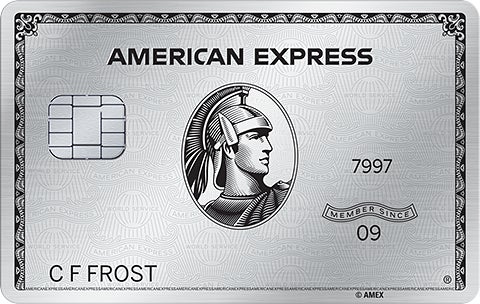
Why we like it: The Amex Gold Card gives cardholders access to the Amex Membership Rewards program and its many transfer partners, including over 20 airline and hotel loyalty programs. This gives you more flight redemption options with transfer partners than Chase and Capital One.

Read our full American Express Gold Card review

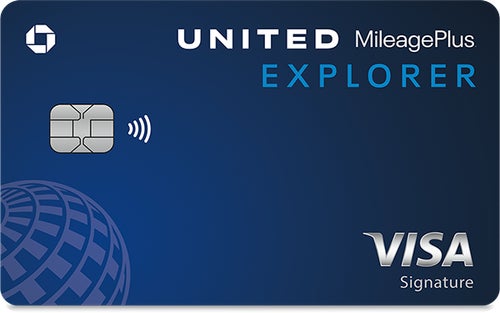
Why we like it: The United Explorer Card is our favorite card for United loyalists who want perks with the airline, like free checked bags, but don’t want to pay a high annual fee. If you frequently fly United, this card can save you hundreds of dollars per year in checked bag fees.

Read our full United Explorer Card review

Why we like it: The Capital One Venture X is a premium travel card without a luxury price tag. You can take advantage of extensive airport lounge access, 10,000 anniversary miles, and a $300 credit for travel booked through Capital One Travel — all with an annual fee lower than the competition.

Read our full Capital One Venture X review

Why we like it: The Capital One Venture Rewards earns flexible Capital One miles that you can transfer to over 15 airline and hotel loyalty programs. That includes Air Canada Aeroplan, British Airways Executive Club, and Air France-KLM Flying Blue, giving you plenty of options for redeeming your rewards.

Read our full Capital One Venture Rewards review

Why we like it: The Aeroplan Credit Card earns flexible Aeroplan miles, which can be redeemed for flights worldwide with Star Alliance partners, such as United, Air New Zealand, and Turkish Airlines. Additionally, you and up to eight travel companions on the same Air Canada originating reservation receive your first checked bag for free.

Airline credit cards provide rewards and benefits tied to specific airlines. For example, Delta credit cards earn Delta SkyMiles on eligible purchases and offer certain benefits if you fly Delta. That could include a free checked bag or boarding the plane quicker.

These cards are meant for travelers loyal to one airline, or who at least fly a specific airline most of the time.

There are two primary types of airline credit cards:

Co-branded airline cards

General travel cards

A credit card company issues a co-branded airline card in partnership with an airline. For example, Chase issues the Southwest Rapid Rewards Plus Credit Card in partnership with Southwest Airlines.

Co-branded cards make sense if you’re loyal to a specific airline because they typically have rewards and benefits tied to that airline. That could include receiving a free checked bag, priority boarding, or something similar. Your primary redemption option is using rewards for award flights on your connected airline.

General travel cards earn rewards that can be redeemed through travel portals or transferred to multiple airline loyalty programs. This gives you more flexibility over using your rewards since you aren’t tied to one airline. However, you’ll miss out on perks like free checked bags and priority boarding.

Consider these features as you compare airline credit cards:

Welcome bonus: A welcome offer or sign-up bonus can provide loads of value for signing up for a card and completing specific requirements. It’s often best to time new card applications with upcoming large purchases to help complete welcome bonus spending requirements as a new card member.

Rewards: It makes sense to find a card with a rewards rate that aligns with your spending habits. If you drive a lot for work, earning more rewards on gas could make sense. The same could be said for dining out, buying groceries, paying for streaming services, and other similar spending categories.

Benefits: Getting a free checked bag is one of the best benefits of airline cards, but you might also be interested in airline lounge access, priority boarding, elite status, and other perks.

Fees: If you plan to travel internationally, it helps to have a card with no foreign transaction fees.

Redemption options: The primary redemption option for airline cards is using rewards for award flights. General travel credit cards can provide more flexibility with redemption options.

Whether or not you should get an airline credit card comes down to the value you expect to receive.

Frequent travelers who spend money on airfare regularly can absolutely benefit from earning rewards on those tickets. However, the right credit card with airfare rewards can also help you save money even if you only travel a few times yearly.

Here are a few questions to ask yourself before opening a new airline card:

How often do you travel? Frequent fliers may want to prioritize cards that earn bonus miles on airfare, while occasional travelers may prefer to earn bonus points or miles at grocery stores, gas stations, and restaurants to put toward future flights.

What’s your budget? If a steep annual fee or welcome bonus offer will push you to spend more than you can afford, it’s better to forgo big rewards and avoid taking on debt. Even the best travel rewards can’t beat the high cost of credit card interest charges.

How’s your credit? Credit cards with airline rewards typically require good credit to qualify. If you don’t already have a solid score, consider a credit-building card instead to build up a positive payment history and establish good credit habits. Later, you can put those habits to good use while earning travel rewards.

What travel benefits do you want? Plenty of travel rewards cards come with credits, complimentary lounge access, status, bonuses, and other perks that can help you save money when moving through the airport or on the go. But think about the travel expenses you already have to find your savings sweet spot. Maybe you’re already a TSA PreCheck user, for example, and check bags every time you fly. A card that can offset your regular purchases is a great way to save money — as long as that value is more than the annual fee cost.

Is it worth it to get an airline credit card? Here's what to keep in mind.

Flight perks: Many credit cards for frequent flyer miles offer great benefits, including free checked baggage, priority boarding, inflight discounts, and other freebies that can save you money and elevate your flight experience.

Large welcome bonuses: Many of the best credit cards for earning airline miles offer sizable welcome bonuses, some of which are sufficient to cover more than one roundtrip domestic flight.

Potential for elite status: Some of the best miles credit cards offer a fast track to elite status with your everyday spending. Loyalty to a particular airline could open the doors to even more perks, such as complimentary upgrades and better boarding positions.

Limited flexibility: Unlike general travel credit cards, a credit card with flight rewards typically limits how you can use your miles. While some may let you book hotels, rental cars, and vacation packages, you may lose value compared to using your rewards for award flights. Remember, too, that award flights aren't completely free — you'll still need to pay taxes and fees.

Award availability: Earning enough miles to cover an award flight doesn't guarantee you'll be able to book one. Some airlines limit the number of seats available for award flights, so you may still need to pay cash unless you have some flexibility with your travel dates and times.

Potential for devaluation: Airlines occasionally introduce new policies that can devalue their rewards currency. In other words, you may work hard to amass a trove of miles, only to learn that they're less valuable than you thought.

Many travel rewards programs — like Chase Ultimate Rewards, Capital One Travel, and American Express Membership Rewards — allow you to transfer your points to airline partners, often at a 1:1 ratio. Here’s a rundown of each program’s current airline partners:

Say, for example, you’re a Southwest Rapid Rewards member and often travel to and from locations serviced by the airline.

You may get the best value from a Southwest credit card, with rewards and benefits designed to help you earn status, priority, and more with the airline. But you should also consider a Chase travel card, as Southwest Rapid Rewards is a transfer partner and the issuer offers a wide range of rewards categories and benefits that extend beyond the specific airline.

If you aren’t loyal to a specific airline, it’s best to use a general travel credit card to book your flights. Cards like the Chase Sapphire Preferred and American Express Gold Card provide elevated rewards on flights purchased directly from airlines, making it easy to earn valuable points regardless of the airline you fly.

It varies by airline, but many airline rewards currencies are worth at least one cent per mile. That means 10,000 miles could equal $100, depending on the loyalty program and the specific redemption method.

You can calculate how much your miles are worth for airfare by dividing the cash value of a flight by the total number of miles it would take to book the same flight. For example, $500 divided by 50,000 miles equals $0.01, or one cent per mile.

It’s worth the annual fee if you get enough value from its rewards and benefits to offset the cost each year. For example, the Capital One Venture X offers 10,000 anniversary miles and an annual $300 travel credit for Capital One Travel bookings. Without considering any other rewards or perks, you already have enough value from these two benefits to offset the $395 annual fee.

Top airline credit card benefits include:

Free checked bags

Airport lounge access

Priority boarding

Welcome bonuses

Elite status

Airline or other travel credits

Companion tickets or fares

In-flight discounts

Complimentary upgrades

One of the best travel credit cards for students is the Bank Of America® Travel Rewards For Students. This card provides valuable points for making eligible purchases, including travel purchases, and you can redeem your points to pay for flights, hotel stays, cruises, and more. Even better, there are no annual or foreign transaction fees.

We researched co-branded airline credit cards from major card issuers to find the best airline credit cards. We did not research every available credit card or include business credit cards in our research.

We added airline cards to a rubric to compare their perks, benefits, fees, welcome offers, and other features. Our analysis also considered the best travel credit cards, many of which can transfer rewards to airline loyalty programs.

Our final list of the best airline credit cards is based on our rubrics, research, and expert opinion.

This article was edited by Alicia Hahn

Editorial Disclosure: The information in this article has not been reviewed or approved by any advertiser. All opinions belong solely to Yahoo Finance and are not those of any other entity. The details on financial products, including card rates and fees, are accurate as of the publish date. All products or services are presented without warranty. Check the bank’s website for the most current information. This site doesn't include all currently available offers. Credit score alone does not guarantee or imply approval for any financial product.

The right travel credit card can help you earn points toward your next trip with the purchases you make most. These are the best travel cards right now.

Whether you're looking for your first or fifth credit card, we've put together our best credit card picks over various categories.

Travel rewards can help make your dream vacation a reality — but they may not be the best option for everyone. Here’s how to decide and what to look for in a travel credit card.

Chase offers some of the most competitive credit card rewards and benefits today. These are our top picks for the best Chase credit cards.

Use these cards to earn Rapid Rewards points on your spending and save on upcoming flights with Southwest.

The best credit card welcome offers and sign-up bonuses add a big boost to your first-year credit card rewards. Get started with our top picks today.