yahoo Press
Bin collection rules are changing in March – here's what you need to know
Images
1 / 12
2 / 12

3 / 12

4 / 12

5 / 12
6 / 12
7 / 12
8 / 12
9 / 12

10 / 12

11 / 12

12 / 12
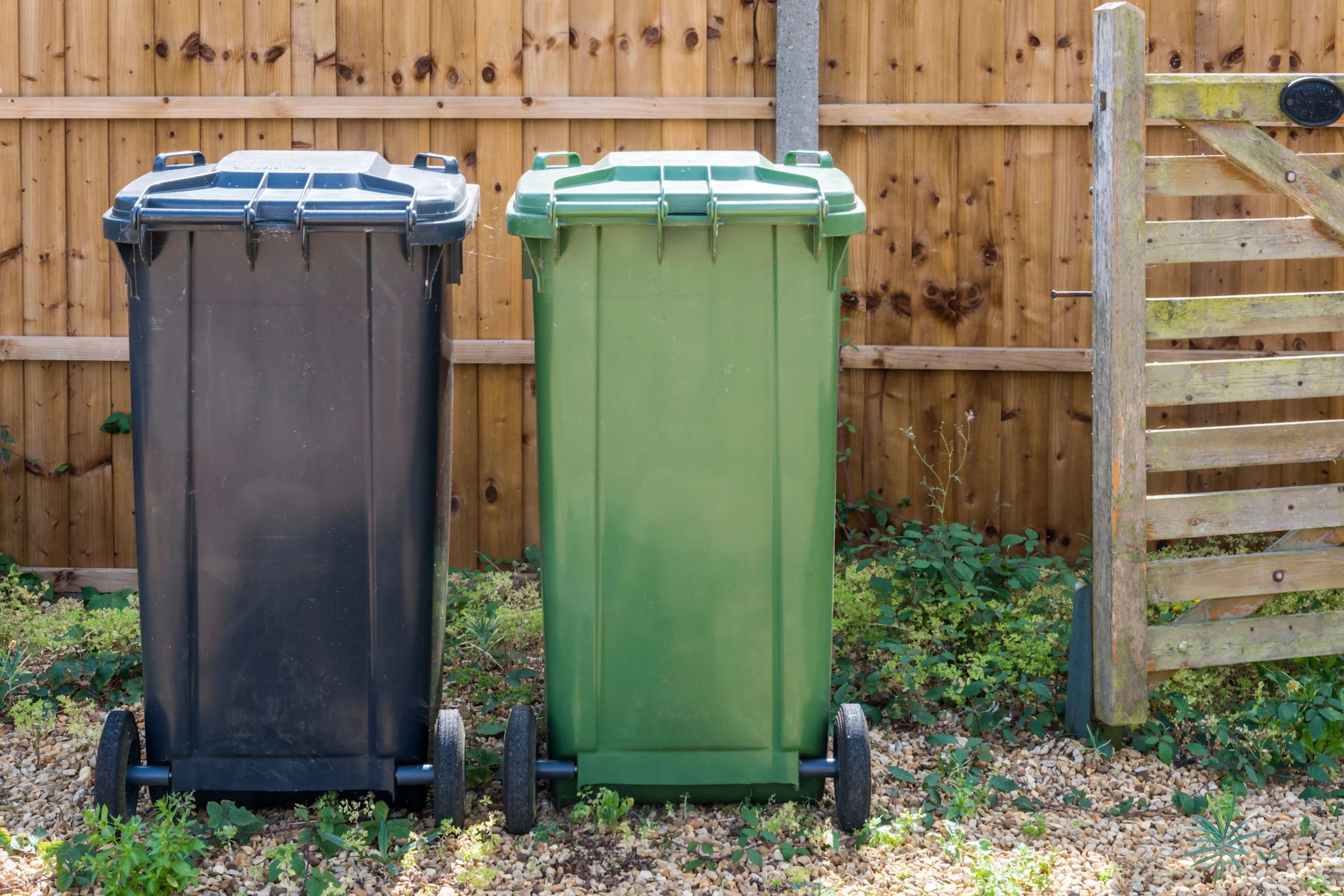
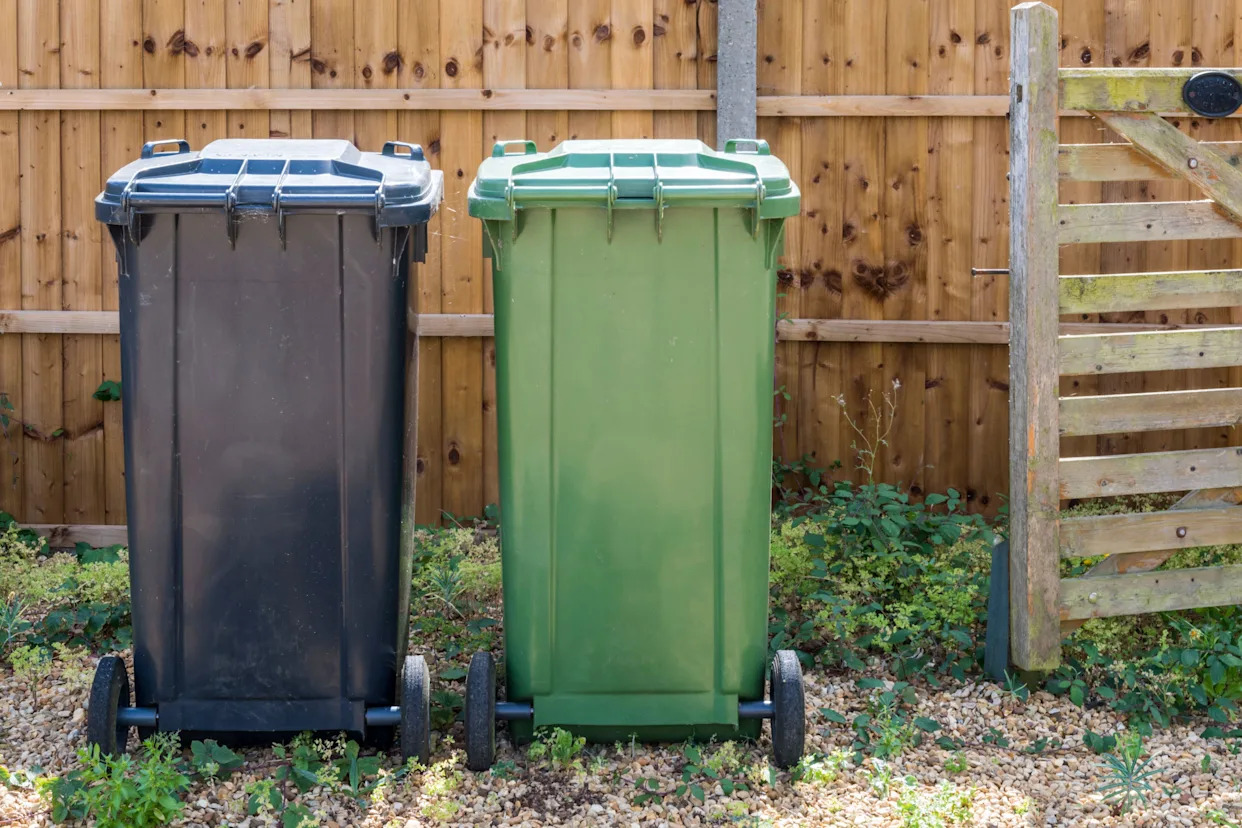
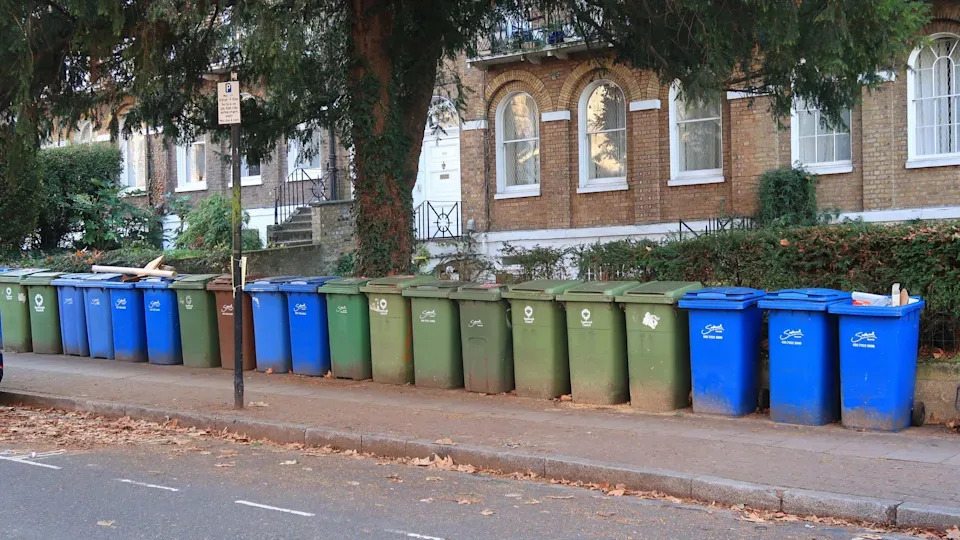
The number of household bins across England is set to change in the coming weeks in what has been described as a "once-in-a-generation revamp" of waste and recycling.

Households will have to put out bins that separate different types of recycling, with the goal of 65% of municipal waste being recycled by 2035.

Local authorities will implement, on average, five separate bins for waste, including: recycling (paper, card, plastic, metal), glass, food and garden waste.

The new scheme, called Simpler Recycling, aims to make it easier for households in England to understand recycling guidelines and packaging, with similar regulations also coming into force in Scotland and Wales.

Claire Shrewsbury, director of insights and innovation at WRAP, told Yahoo News: "This once-in-a-generation revamp of waste and recycling in England will mean higher recycling rates [and] increased green jobs, and will play an important role in shifting the economy to becoming more circular – vital for a fit future."

The new Simpler Recycling rules come into force from 31 March 2026, and various councils have already made the changes ahead of the deadline.

The new scheme means recycling operations will essentially be standardised across the country, making it easier for people to work out what items can be recycled.

The new default requirement for most households will be four containers for:

Residual (non-recyclable) waste

Food waste (mixed with garden waste if appropriate)

Paper and card

All other dry recyclable materials (plastic, metal and glass)

These may include various container types, such as bags, bins or stackable boxes.

The government says on its Simpler Recycling page: "This is the government's maximum default requirement and is not expected to increase in the future." However, councils and other waste collectors will still have the flexibility to make the best choices to suit local needs.

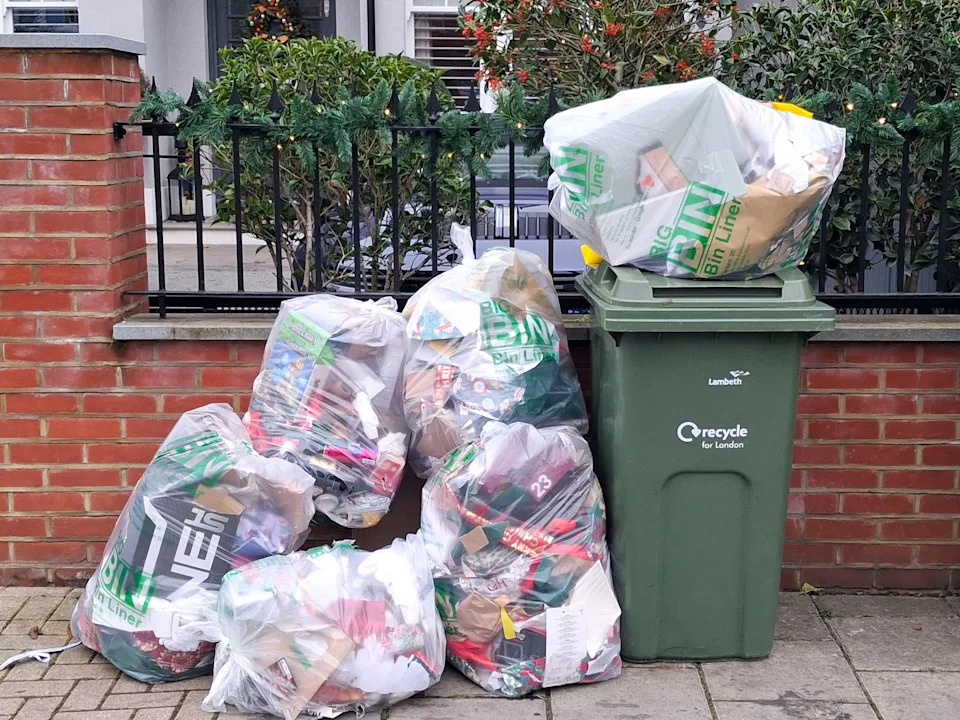
The changes mean paper and cardboard will be collected in one bin, rather than going into the "general" recycling bin, increasing the number of bins some households will have to leave out.

Another bin will be for all other recyclable materials, including plastic, glass and metal (although councils may choose to collect glass, plastic or metal separately).

Under the rules, co-collection of these materials is allowed under certain circumstances, but councils must apply to do so with a specific reason.

Unlike before, local councils will not have different rules, as the scheme aims to standardise recycling across Britain.

Shrewsbury told Yahoo News: "Most people in the UK regularly recycle, but we know one of the biggest barriers to recycling is people not being sure what they can and can't recycle. Simpler Recycling will do exactly what it promises, make it simpler to recycle.

"It will remove the postcode lottery of what can and can't be recycled, with all local authorities recycling the same core materials. It'll help people form new habits around recycling, as these will be reflected through our workplaces now recycling the same way."

In January, the Department for Environment, Food & Rural Affairs (Defra) dismissed reports households could be fined £400 for recycling 37 "prohibited" items, saying the items – including food and drink cartons and plastic packaging labelled as compostable – can still be disposed of by households and are "not banned".

Many of the items mentioned in media reports, including drinking glasses, vases and mirrors, were already not supposed to be put in kerbside recycling bins in most places long before the introduction of the Simpler Recycling scheme.

It was not clear where the claim of a £400 fine originated, but Defra said a Fixed Penalty Notice (FPN), valued between £60 and £80, "can only be issued after a written warning and where incorrect presentation is causing a nuisance".

One of the big changes will be that, in every council area, there will now be weekly collections of food waste.

Councils are still free to set the frequency of collections for other recyclable waste and for residual waste.

A key change is that the same recycling rules will apply to businesses and households, and will not change according to council areas.

At present, for example, some council areas do not recycle drinks cartons and aluminium foil, but others do.

The government said: "Citizens will be able to recycle the same materials across England whether at home, work or school, and will no longer need to check what is accepted for recycling in their local area.

"A universal standard will ensure that everything that can be collected for household recycling is collected in every region."

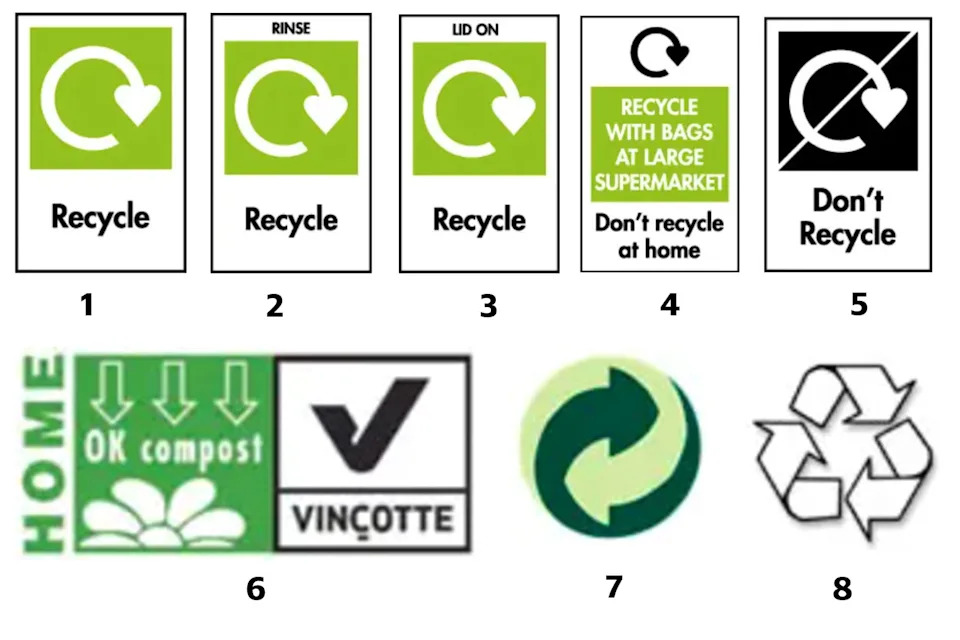
You can tell whether a product can or can't be recycled by looking for a label on its packaging.

This will let you know whether a product can be recycled, recycled when rinsed, recycled with a lid on, recycled at selected supermarkets or cannot be recycled at all.

Still confused? Click the image above to find out what the symbols on your packaging actually mean.

A key part of Simpler Recycling is that more plastics will be collected and recycled, including many plastics that previously ended up being incinerated.

This means that more pots, tubs and trays can be recycled, along with cartons which were previously not recycled in many council areas.

The biggest change is that, from the end of March 2027 plastic films and bags will be collected and recycled where possible – so the flexible plastic in food packaging can be recycled, which did not happen before.

Some plastics will still not be recycled, including anything labelled as "compostable" or "biodegradable", along with other plastics such as polystyrene.