yahoo Press
A Child Changed a Hotspot Name — Minutes Later, Israeli Fighter Jets Were Airborne
Images
1 / 11
2 / 11

3 / 11

4 / 11
5 / 11
6 / 11

7 / 11

8 / 11

9 / 11

10 / 11

11 / 11
An ordinary budget airline flight from London to Tel Aviv escalated into a full military response after a child’s prank triggered one of the most sensitive aviation security alarms in the world.

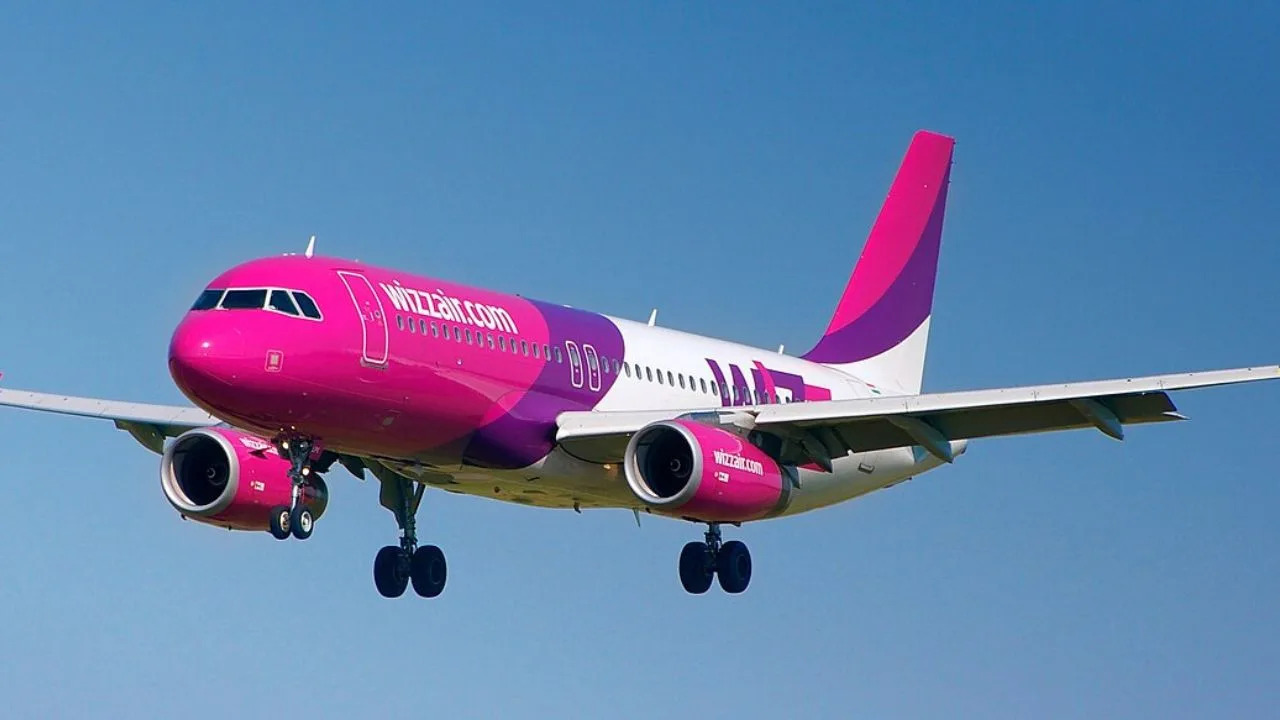
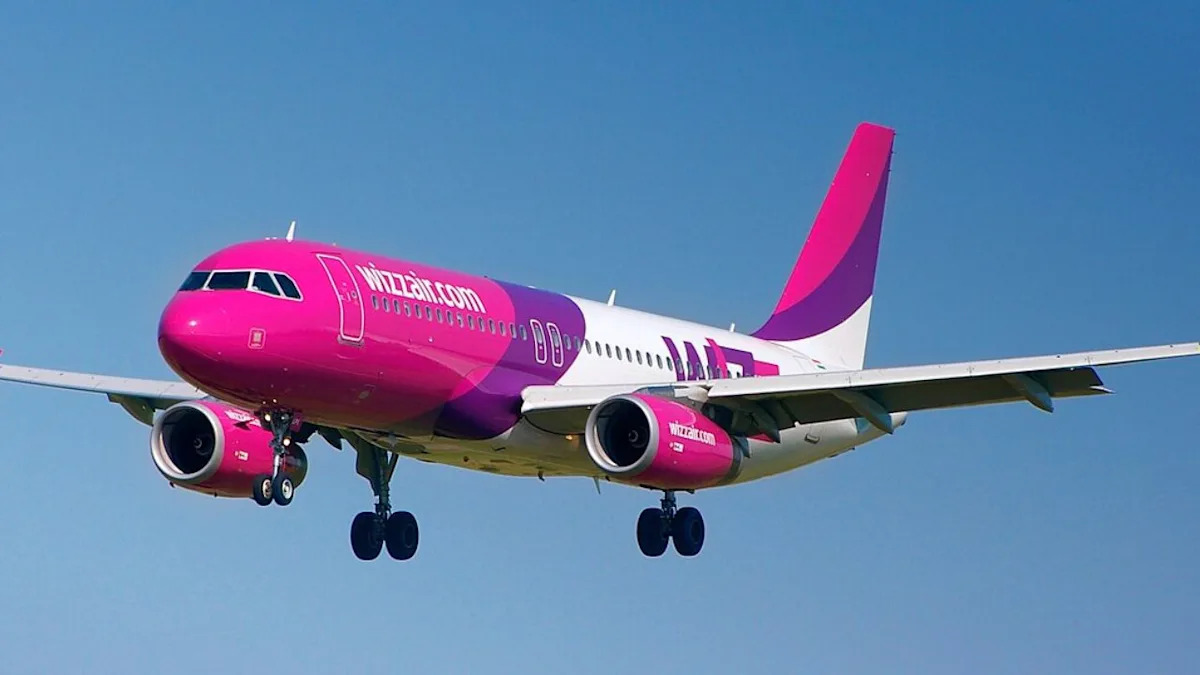
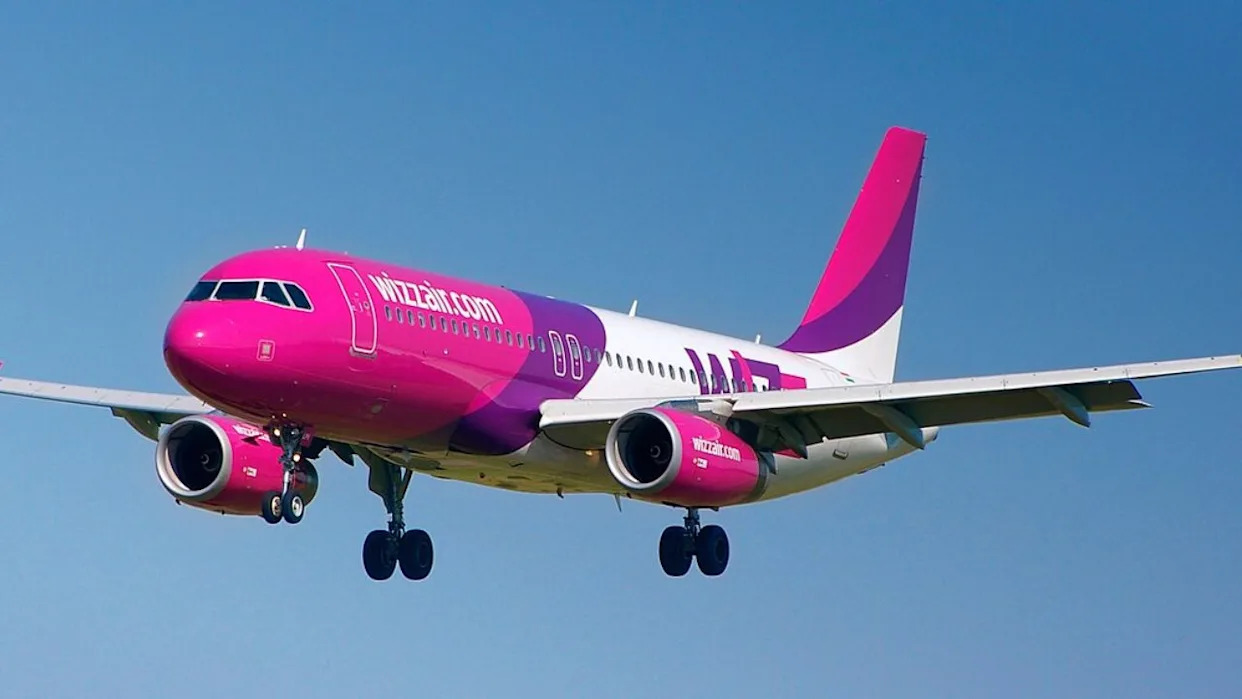
On Sunday afternoon, Wizz Air flight W95301 was approaching Israeli airspace after departing from London’s Luton Airport when a passenger reportedly noticed what appeared to be a threatening message on a nearby phone.

Within minutes, concerns were relayed to the crew. Given the destination, those concerns were treated with zero margin for error.

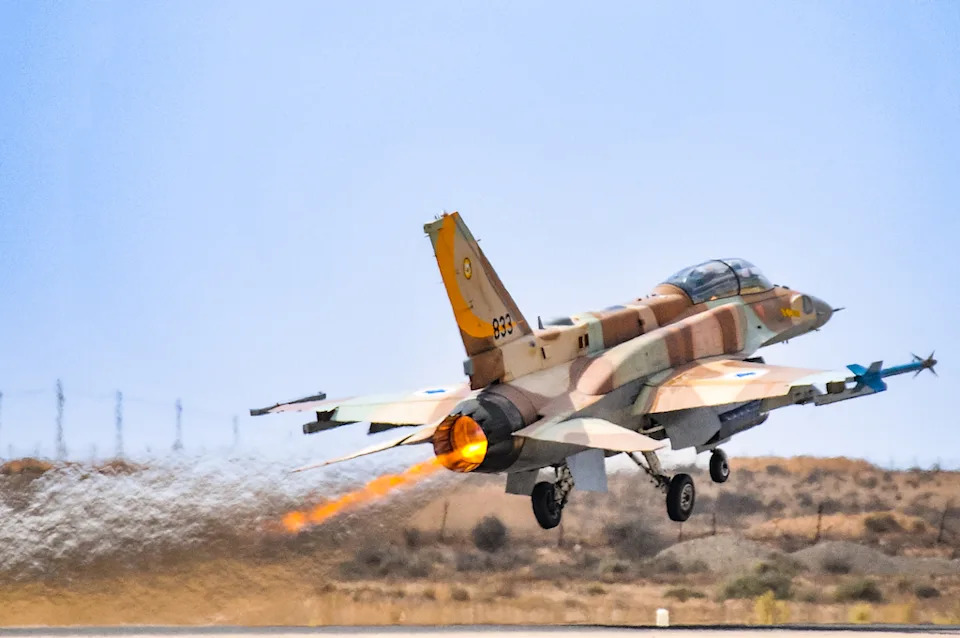
Israeli Air Force fighter jets were scrambled and ordered to intercept the Airbus as it neared Ben Gurion Airport, escorting the plane under close supervision for the final leg of its journey.

According to flight tracking data, the aircraft spent an extended period looping over the eastern Mediterranean, just south of Cyprus, as authorities assessed the situation and coordinated a controlled arrival.

The source of the panic turned out to be far more mundane, and far more instructive, than an actual threat.

Israeli media later reported that the “message” was not a text or social media post at all. It was the name of a Wi-Fi hotspot.

An ultra-Orthodox couple on board had been broadcasting a personal hotspot from their phone, and their child had renamed it using the Arabic word for “terrorist.” Another passenger’s device detected the hotspot name and interpreted it as a direct threat.

In many parts of the world, such a prank might result in little more than an awkward apology. In Israel, a nation that has spent decades dealing with aviation terrorism, it prompted immediate escalation.

Once the plane landed at Ben Gurion Airport, passengers were held onboard while security teams conducted a thorough sweep. Bomb-sniffing dogs inspected the cabin and luggage, and travelers were questioned as part of standard protocol.

Flights into and out of Israel’s busiest airport were briefly paused, underscoring how seriously even ambiguous signals are treated in Israel.

The Israel Airports Authority later confirmed that no real incident had occurred and that the situation was resolved without injuries or arrests. Air traffic returned to normal shortly afterward. Wizz Air has not publicly commented on the incident.

The episode highlights how modern technology has created new security vulnerabilities that did not exist a generation ago. Wi-Fi hotspot names, Bluetooth device labels, and phone usernames are often treated casually by consumers.

In a tightly controlled environment like commercial aviation, especially in geopolitically sensitive regions, those labels can be misinterpreted as threats with real world consequences.

The backdrop matters. Israel’s aviation security system is widely regarded as one of the most stringent in the world, shaped by decades of hijackings, bomb plots, and regional conflict.

Ben Gurion Airport operates under protocols that assume threats can originate from any source, including passengers already cleared through foreign airports. From that perspective, scrambling jets was not an overreaction but a standard precaution.

Unfortunately, the flight W95301 incident wasn’t an isolated case. Just weeks earlier, a Turkish Airlines flight from Istanbul was forced to divert to Barcelona after a passenger allegedly made bomb threats on his phone.

Spanish and French fighter jets escorted that aircraft as it crossed the Mediterranean, and armed police boarded the plane upon landing. In that case too, the threat turned out to be unfounded.

Such stories send signals to travelers about the era we are living in, when a few words on a screen can ground airports, mobilize militaries, and terrify hundreds of people at 35,000 feet. What may feel like a harmless joke or private label can be interpreted very differently once it intersects with aviation security systems designed to assume the worst.

The lesson is simple and sobering. In the air, context disappears. Screens are seen without explanation, words travel faster than intent, and authorities will always choose caution over convenience.

In this case, a child’s Wi-Fi prank had some of the world’s deadliest aircrafts scrambled, proving that in modern air travel, even invisible signals can have very visible consequences.