buzzfeed Press
15 Harlem Renaissance Works That You Should Check Out This Black History Month (Or Anytime)
Images
1 / 20
2 / 20

3 / 20

4 / 20
5 / 20
6 / 20
7 / 20
8 / 20
9 / 20
10 / 20
11 / 20
12 / 20
13 / 20
14 / 20
15 / 20
16 / 20
17 / 20
18 / 20
19 / 20
20 / 20
The Harlem Renaissance was one of the greatest periods of Black excellence in American history.

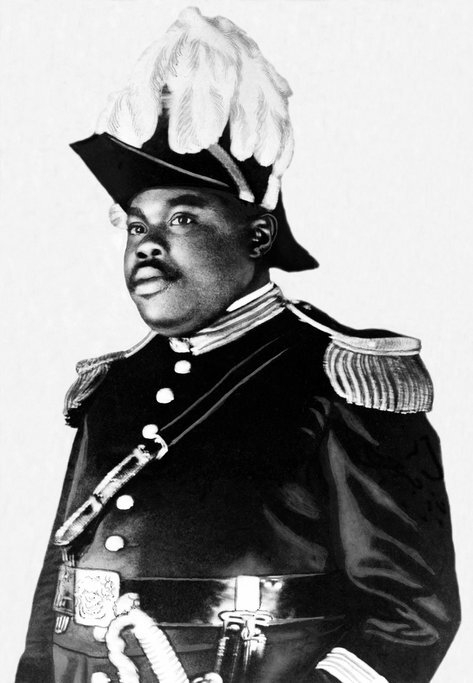
Per PBS: "Marcus Garvey: Look for Me in the Whirlwind, the first comprehensive documentary to tell the life story of this controversial leader, uses a wealth of material from the Garvey movement-written documents, film and photographs-to reveal what motivated a poor Jamaican to set up an international organization for the African diaspora, what led to his early successes, and why he died lonely and forgotten."

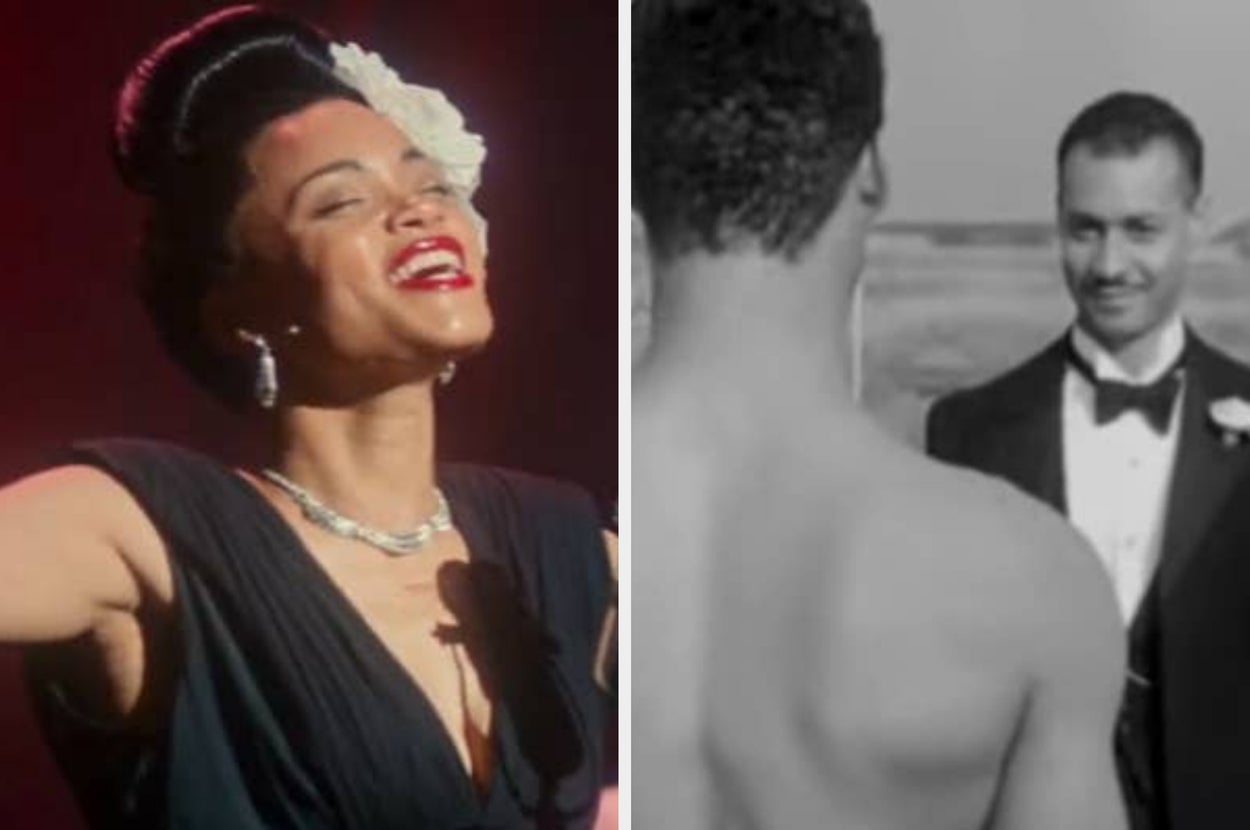
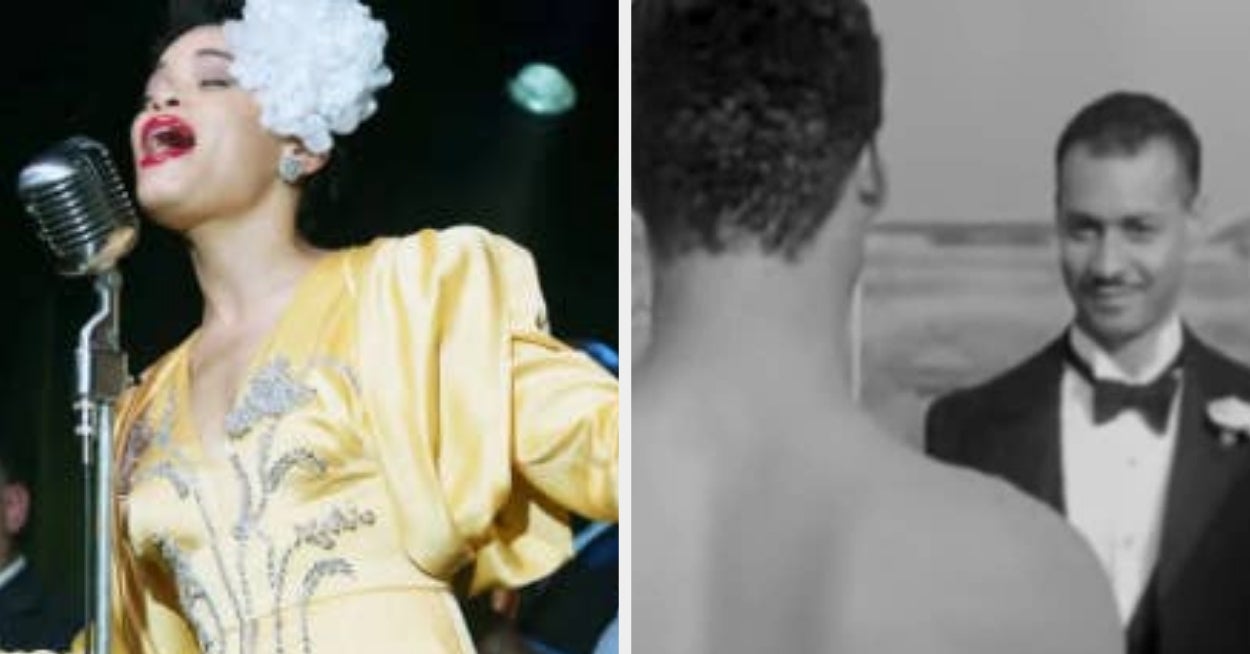
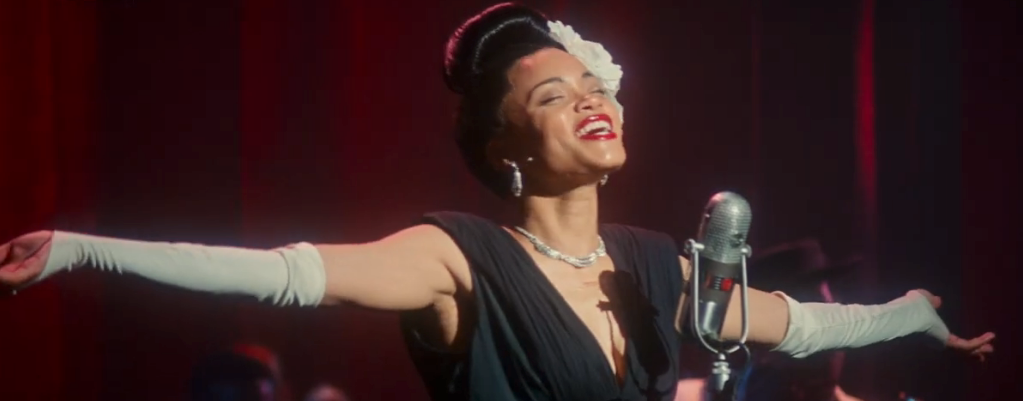
Per IMDB: "The United States vs. Billie Holiday follows Holiday during her career as she is targeted by the Federal Department of Narcotics with an undercover sting operation led by black Federal Agent Jimmy Fletcher, with whom she has a tumultuous affair."

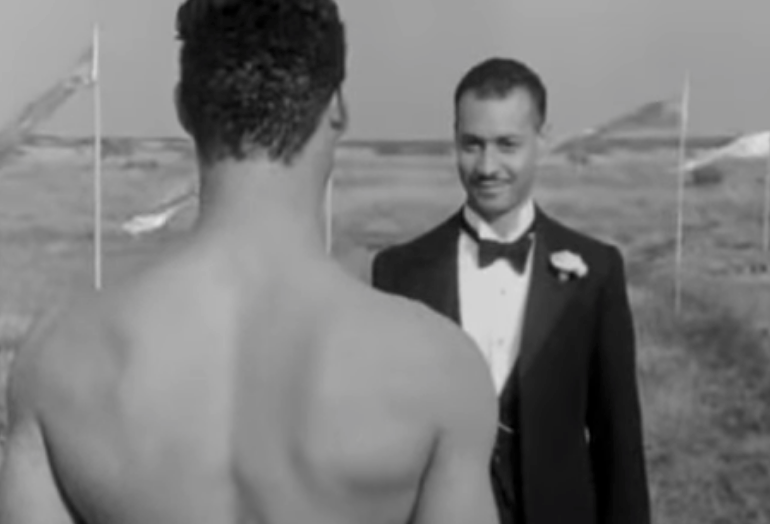
Per MoMA: "'Hughes is an icon, and also an emblem of the closet, a space that was enabling HIV infection, and AIDS, to become insurmountable in Black communities in America and England,' the [director Sir Isaac Julien] has said. In Looking for Langston, Julien connects the historical repression of homosexuality to the cultural context of the late 1980s. Complemented by photographs, prints, and books, this installation explores how image-makers of different identities and backgrounds have shaped the representation of Black and queer life across time."

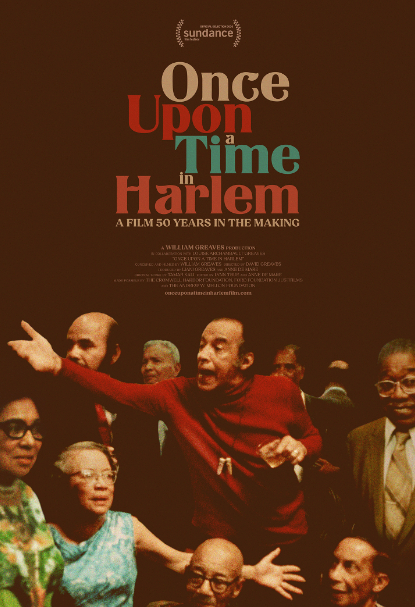
Per Sundance: "A decade after his death, genre-defying filmmaker William Greaves has one last trick up his sleeve with what he considered the most important event he captured on film: a 1972 party he engineered with the living luminaries of the Harlem Renaissance.

Already an established documentarian and having just made Symbiopsychotaxiplasm: Take One, William Greaves gathered some of the key artists, musicians, librarians, poets, journalists, actors, photographers, teachers, and critics of the Harlem Renaissance at Duke Ellington’s home for a party, which he filmed. The resulting lively conversations, built around vivid retelling of past events, are in part old friends reconnecting, in part a rehashing of familiar conflicts, and in part personal memories becoming recorded history."

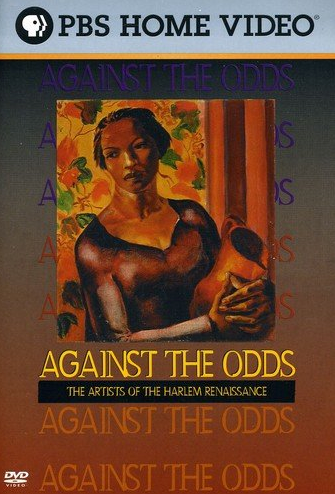
Per IMDB: This movie "tells how Black artists triumphed over formidable odds. Features more than 130 rarely seen paintings, prints, photographs, and sculptures by Black artists, and even more rarely seen archival footage of those artists at work... Racial prejudice and segregation, however, not only kept them out of the mainstream museums and galleries where they could show and sell their art, but threatened the very core of their personal artistic expression. Rich archival footage, including newsreels and photographs, recalls the influential force of the exhibitions, the vibrancy of Harlem in the roaring twenties, and the many significant personalities that shaped the movement, such as William E. Harmon, W.E.B. DuBois, and Alain Locke."

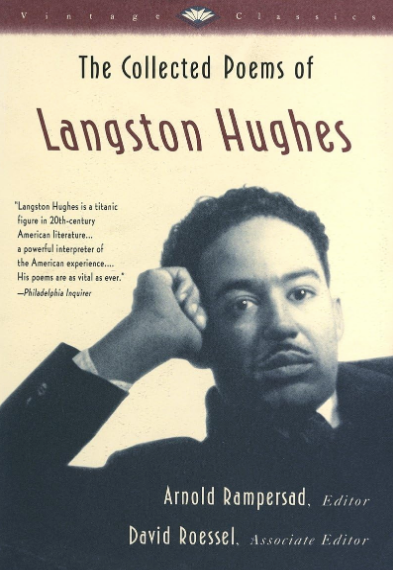
Per Amazon Books: "Here, for the first time, are all the poems that Langston Hughes published during his lifetime, arranged in the general order in which he wrote them. Lyrical and pungent, passionate and polemical, the result is a treasure of a book, the essential collection of a poet whose words have entered our common language. The collection spans five decades, and is comprised of 868 poems (nearly 300 of which never before appeared in book form) with annotations by Arnold Rampersad and David Roessel."

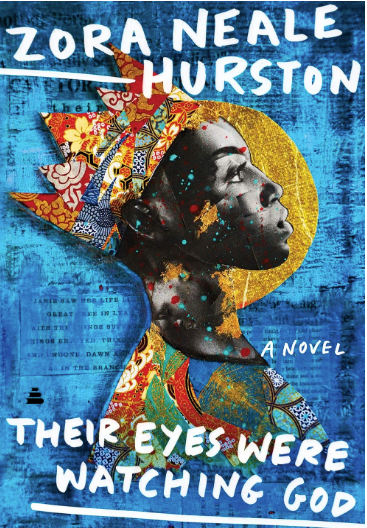
Per Amazon Books: "One of the most important and enduring books of the twentieth century, Their Eyes Were Watching God brings to life a Southern love story with the wit and pathos found only in the writing of Zora Neale Hurston. Out of print for almost thirty years—due largely to initial audiences’ rejection of its strong black female protagonist—Hurston’s classic has since its 1978 reissue become perhaps the most widely read and highly acclaimed novel in the canon of African-American literature."

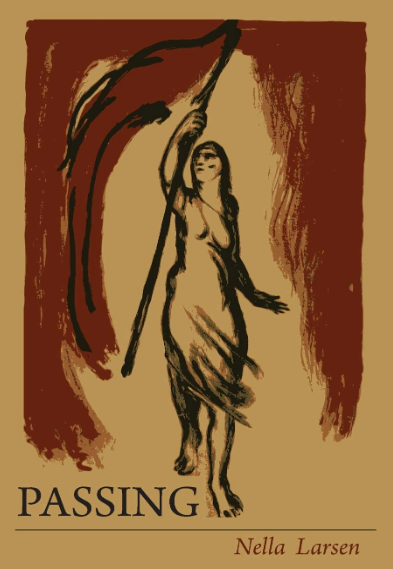
Per Amazon Books: "Clare and Irene were two childhood friends. They lost touch when Clare's father died and she moved in with two white aunts. By hiding that Clare was part-black, they allowed her to 'pass' as a white woman and marry a white racist. Irene lives in Harlem, commits herself to racial uplift, and marries a Black doctor. The novel centers on the meeting of the two childhood friends later in life, and the unfolding of events as each woman is fascinated and seduced by the other's daring lifestyle. The end of the novel is famous for its ambiguity."

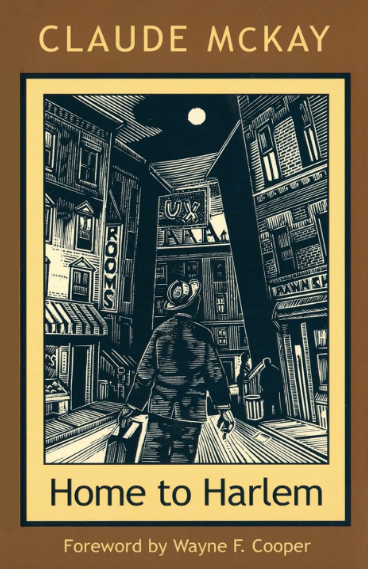
Per Amazon Books: "With sensual, often brutal accuracy, Claude McKay traces the parallel paths of two very different young men struggling to find their way through the suspicion and prejudice of American society. At the same time, this stark but moving story touches on the central themes of the Harlem Renaissance, including the urgent need for unity and identity among Blacks."

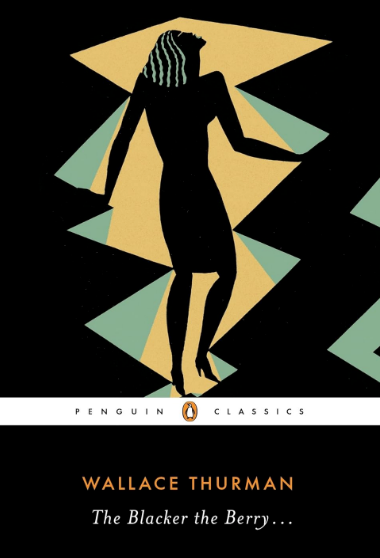
Per Amazon Books: "Emma Lou Morgan’s skin is black. So black that it’s a source of shame to her not only among the largely white community of her hometown of Boise, Idaho, but also among her lighter-skinned family and friends. Seeking a community where she will be accepted, she leaves home at age eighteen, traveling first to Los Angeles and then to New York City, where in the Harlem of the 1920s she finds a vibrant scene of nightclubs and dance halls and parties and love affairs... and, still, rejection by her own race.

One of the most widely read and controversial works of the Harlem Renaissance, and the first novel to openly address prejudice among Black Americans and the issue of colorism, The Blacker the Berry... is a book of undiminished power about the invidious role of skin color in American society."

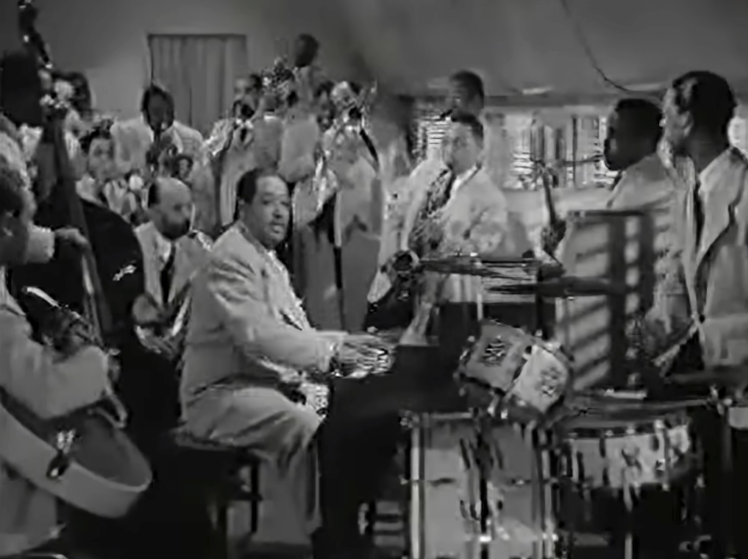
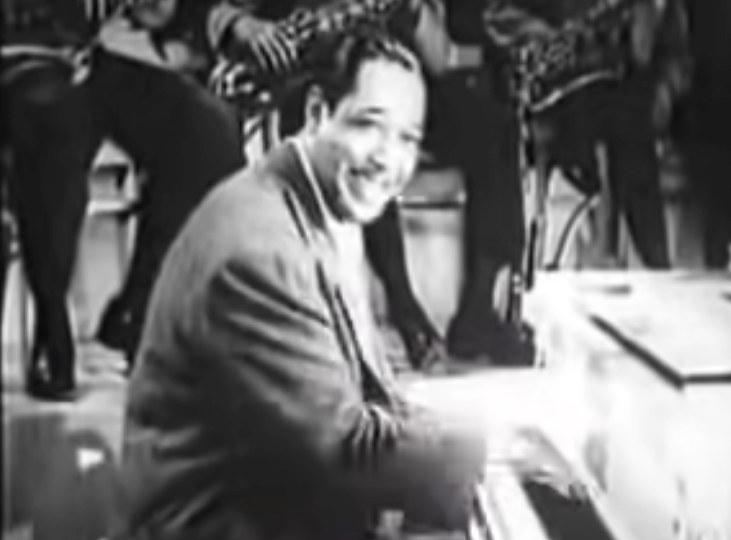
Per PBS: "Duke Ellington’s signature composition was 'Take the "A" Train,' written by his frequent collaborator Billy Strayhorn. The song brought Ellington and his band financial success, became his 'theme' song that he would perform regularly for the rest of his life, and is still one of the most important compositions in all of jazz."

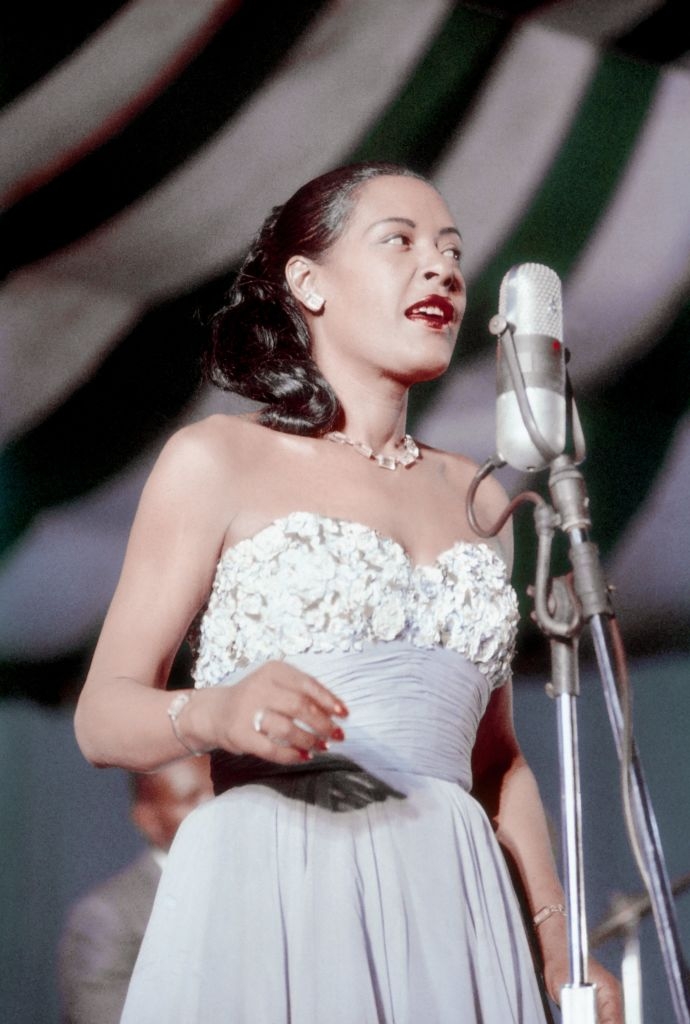
Per BillieHoliday.com: “'Strange Fruit' is a song performed most famously by Billie Holiday, who first sang and recorded it in 1939. Written by a white, Jewish high school teacher from the Bronx and a member of the Communist Party, Abel Meeropol wrote it as a protest poem, exposing American racism, particularly the lynching of African Americans. Such lynchings had occurred chiefly in the South but also in other regions of the United States. Meeropol set it to music and with his wife and the singer Laura Duncan, performed it as a protest song in New York venues, including at Madison Square Garden. In 1978 Holiday’s version of the song was inducted into the Grammy Hall of Fame."

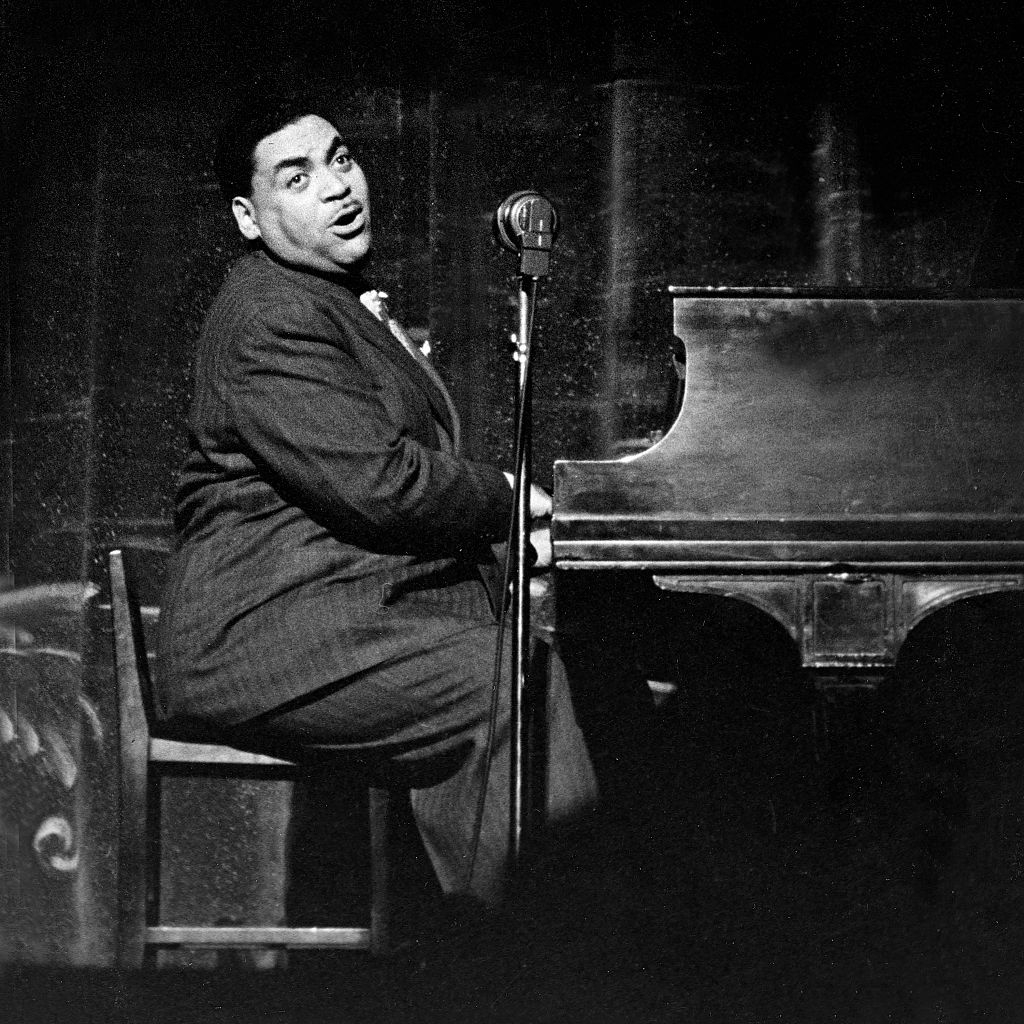
Per the National Recording Preservation Board: "'Ain’t Misbehavin'' would become one of the most recorded songs of the first half of the 20th century, with a half dozen hit recordings in the first six months alone. Louis Armstrong, Jelly Roll Morton, Nat King Cole, and Teddy Wilson are among the more than 300 jazz and popular singers to record their versions in the years since."

Per Jazz Standards: "Considering the spare melody and lyrics of 'It Don’t Mean a Thing (If It Ain’t Got That Swing),' the immediate success was due, in no small way, to the vocal by Ivie Anderson, who introduced it with the Duke Ellington Band in February, 1932.

Ellington’s recording went onto the charts for six weeks, peaking at number six. In September, 1932, the Mills Brothers covered it and saw their rendition rise to number seven. It was the right combination of talent at the right time that made the song immediately popular."

Per the National Recording Preservation Board: "In 1923, the songwriting team of James P. Johnson (composer) and Cecil Mack (lyricist) were charged with writing the musical score to the Broadway musical Runnin’ Wild. Among the numbers they contributed was a song called 'Charleston,' performed by Elizabeth Welch and the dancing chorus to close the first act. Little did they know at the time that they had just written the theme song of the Roaring Twenties. The origins of the dance step with its characteristic rhythm can be traced back to dockworkers in Charleston, South Carolina, in the early 1900s."