yahoo Press
M&S Partners With Pilio to Promote Cotton Farming Biodiversity
Images
1 / 5
2 / 5

3 / 5

4 / 5
5 / 5
Marks & Spencer (M&S) has joined forces with sustainability innovation firm Pilio to launch a cotton farming initiative in India.

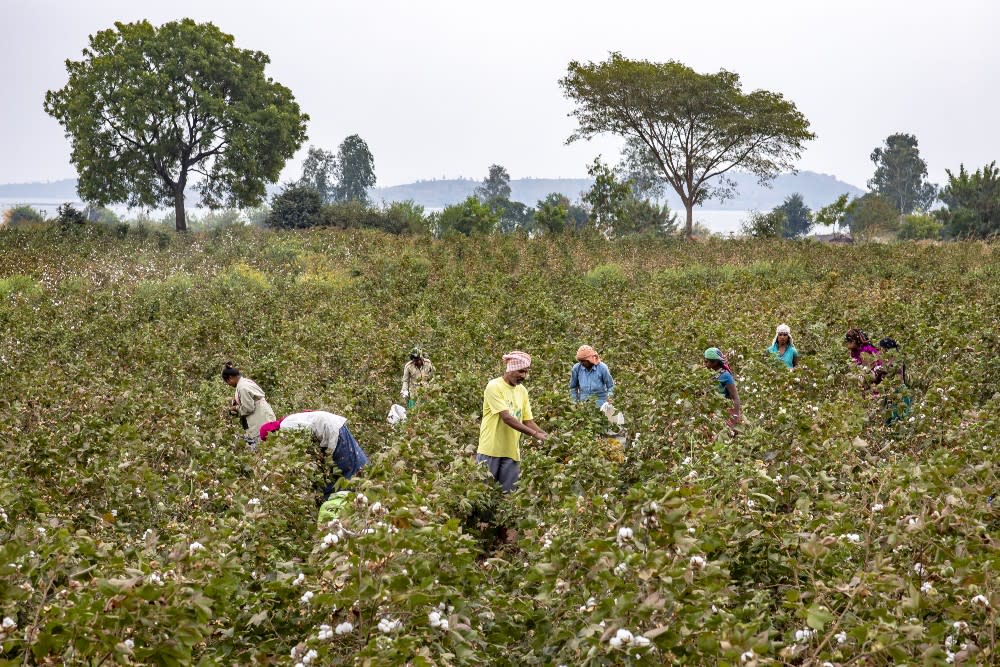
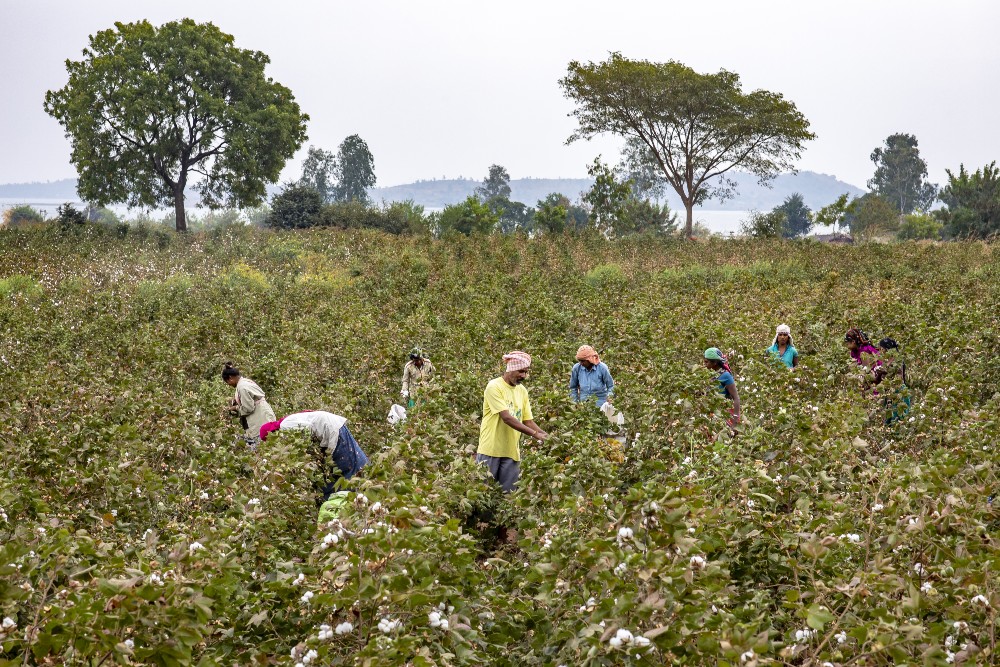
The Affordable Clean Environment (ACE) program aims to improve access to clean energy and strengthen biodiversity in farming practices for cotton-growing farmers in the second-largest cotton-producing country in the world.

More from Sourcing Journal

Lawmakers Push for Elimination of Indian Duties on US Cotton Amid Stalled Trade Deal

Iran Conflict Sends Shockwaves Through Asia's Trade and Manufacturing Hubs

India, US Deepen Supply Chain Ties Though Tariff Rift Persists

The ACE program focuses on the livelihoods of cotton farmers, ensuring they remain at the center of decision-making and that initiatives are developed in partnership with them. The program will provide financing for on- and off-farm solar technology, designed to help reduce carbon emissions associated with cotton production.

The initiative will work with farmers licensed under the Better Cotton Initiative, which partners with small-hold farmers around the globe to produce cotton that not only supports their livelihood, but also protects nature. ACE will expand that support beyond agricultural practices to include habitat creation, land restoration and the introduction of nature-positive approaches, such as native plantings for wildlife and waterway habitats, as well as nature corridors connecting fields.

“It is great to be working with M&S, who recognize the importance of investing in a holistic solution that improves the lives of cotton growers alongside addressing the pressing challenges of climate change and biodiversity loss,” said Catherine Bottrill, CEO of Pilio. “Access to clean energy benefits and strengthens the prosperity of farming communities while reducing emissions and delivering positive outcomes for biodiversity across brand supply chains.”

Cotton makes up the largest share of M&S’s material portfolio, accounting for more than half of the company’s total fiber mix. The British retailer already sources 100 percent of the cotton for its clothing from Better Cotton Initiative, recycled or organic sources, and has done so since 2019. The company also has the same goal for its home textiles by this year.

The ACE initiative is the latest in M&S’s moves to meet the tenants laid out in its sustainability strategy, which set a net-zero goal across the company’s value chain by 2040. Last year, M&S launched a storefront on eBay to allow consumers to trade in and buy back the company’s pre-owned clothing, footwear and accessories. Aimed at improving circularity and extending the life cycle of its products, M&S partnered with Redskinned—a company that repairs, resells and recycles used garments—to operate the eBay storefront.

And with M&S focusing on gaining marketshare in the U.K. denim market—the company recently reported it saw 7.9 percent and 6.1 percent growth year-over-year in women’s and men’s denim respectively—cotton sourcing has become a key consideration.

“At M&S, sourcing cotton with care is fundamental to how we do business, and today 100 percent of the cotton in our clothing comes from more responsible sources,” said Katharine Beacham, head of materials at M&S. “The ACE cotton program builds on that progress by investing in clean energy and nature positive practices that support farming communities and reduce the environmental impact of cotton production. It reflects the ambition of our sustainability program – Plan A – to ensure our clothes are made in a way that supports people, protects nature and contributes to a lower-carbon future.”