yahoo Press
Energy Shock From Iran War Puts ECB Policy on Edge
Images
1 / 5
2 / 5

3 / 5

4 / 5
5 / 5
The European Central Bank had settled into a rare period of calm, with interest rates on hold and inflation drifting back toward its 2% target. The war involving Iran has suddenly complicated that picture.

If higher energy prices persist and begin to shift inflation expectations, ECB officials are warning that the central bank’s comfortable wait-and-see stance could change.

ECB Vice President Luis de Guindos said a prolonged conflict in the Middle East could push up inflation expectations and eventually prompt a shift in the ECB’s policy stance. For now, policymakers still assume the conflict will be short-lived.

But de Guindos made clear that duration is the key variable. A temporary shock is something central banks can look through. A persistent shock is something that forces them to act.

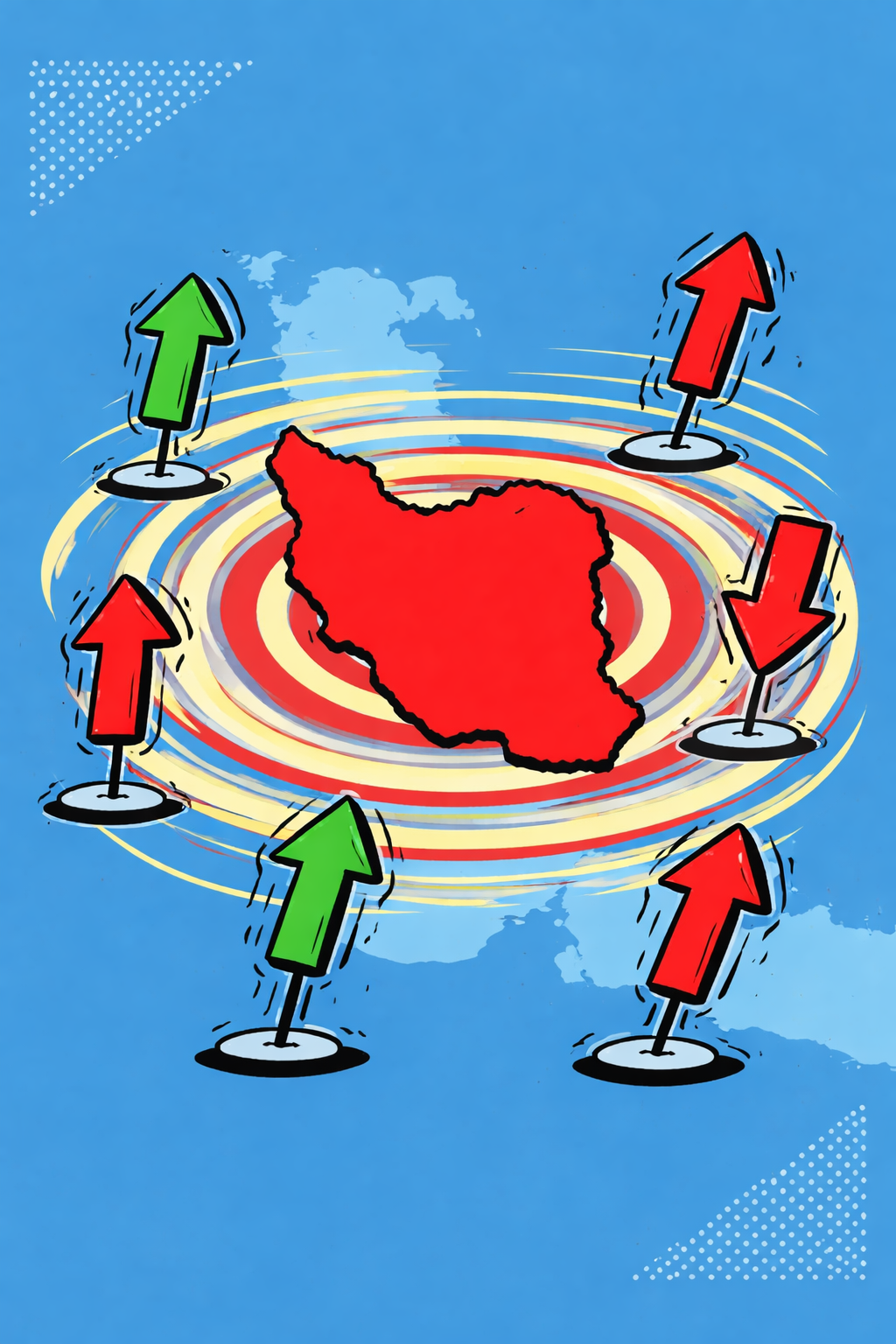
The immediate concern is energy. Oil and gas prices have jumped following the escalation between Iran, the U.S., and Israel, reviving a familiar European anxiety. Energy shocks move quickly into headline inflation and can spread through the economy if businesses and households begin to assume higher prices are here to stay.

Other ECB policymakers echoed that caution. Finnish central bank governor Olli Rehn warned against assuming the conflict will end quickly, noting the risk of escalation. Bundesbank President Joachim Nagel said the length of the war will ultimately determine the economic consequences. If energy prices remain elevated for a prolonged period, he said, inflation would rise while economic activity would weaken. If the conflict ends quickly, the impact on prices would likely prove temporary.

There is still no consensus that higher rates are required. Bank of France Governor Francois Villeroy de Galhau said the surge in oil prices alone does not justify tightening policy. Instead, the ECB is maintaining a meeting-by-meeting approach, watching whether the energy shock proves temporary or begins to influence broader inflation dynamics.

Markets, however, are already adjusting their expectations. Morgan Stanley said it no longer expects the ECB to cut interest rates this year, reversing its earlier forecast of two rate cuts. That shift reflects the growing sense that energy prices could keep inflation higher than policymakers anticipated only weeks ago.

Our analysts just identified a stock with the potential to be the next Nvidia. Tell us how you invest and we'll show you why it's our #1 pick. Tap here.

Energy shocks are among the most difficult problems for central banks because they affect both sides of the economy simultaneously. Higher energy prices push inflation upward, but they also weaken economic growth by raising costs for households and businesses.

That combination creates a policy dilemma. Higher inflation normally argues for tighter monetary policy, while slower growth would suggest the opposite. If the Iran conflict becomes prolonged, the eurozone could face exactly that uncomfortable mix.

The ECB is especially sensitive to this risk because of what happened after Russia invaded Ukraine in 2022. At the time, policymakers initially treated the surge in energy prices as temporary before inflation spread more widely through the economy. The central bank ultimately had to raise interest rates rapidly to regain control of price growth. That experience has made officials more cautious about dismissing energy-driven inflation shocks too quickly.

Inflation expectations are therefore the key issue. As long as businesses and households believe inflation will return to target, the ECB can afford to remain patient. But if expectations start drifting higher, wage negotiations and pricing behavior could reinforce inflation pressures, forcing policymakers to respond more aggressively.

For now, financial markets remain orderly, which gives the ECB time to watch how the situation evolves. De Guindos noted that market functioning has been stable despite the geopolitical shock. That matters because central banks can deal with inflation more easily when financial conditions remain calm.

The ECB’s next policy meeting is scheduled for mid-March, and no change in interest rates is expected. Instead, policymakers will focus on assessing whether the energy shock remains temporary or begins to reshape inflation expectations across the eurozone.

Much will depend on the trajectory of the conflict and the behavior of energy markets. If oil and gas prices retreat as tensions ease, the ECB’s current stance may prove appropriate. If prices remain elevated and begin feeding into broader inflation pressures, the central bank may face a far more difficult policy environment than it expected only weeks ago.

One stock. Nvidia-level potential. 30M+ investors trust Moby to find it first. Get the pick. Tap here.