yahoo Press
Woman with Stage 4 cancer has 'no evidence of disease' after life-changing transplant
Images
1 / 12
2 / 12

3 / 12

4 / 12

5 / 12

6 / 12
7 / 12
8 / 12
9 / 12

10 / 12

11 / 12

12 / 12
A woman with cancer that spread to her liver is getting a second chance at life after receiving a partial liver transplant from a living donor.

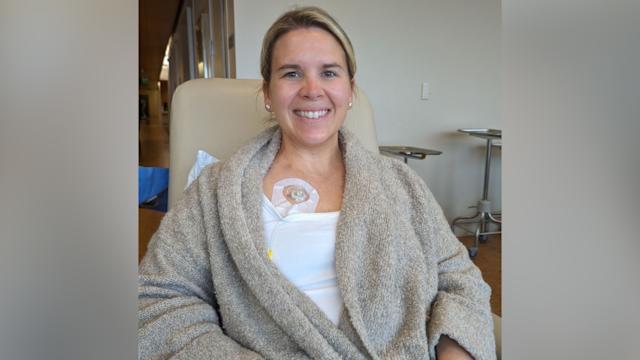
Amy Piccioli told "Good Morning America" doctors have told her she currently has no evidence of the disease three months after she underwent transplant surgery at Northwestern Medicine in Chicago.

"I'm just looking forward to living my life again without cancer being at the forefront of my mind," she said.

Piccioli, a mom of three, was diagnosed with Stage 4 colorectal cancer in May 2024. At the time, she said she had visited an emergency room near her home in Los Angeles for dehydration and had imaging done, which ended up showing she had a mass in her colon that had spread and caused lesions in her liver.

"I had no symptoms of colon cancer, nothing," Piccioli said of her health prior to her emergency room visit, noting that she had no family history of the disease. "For this to happen was just such a shock to me, because I am so cognizant of changes in my body."

In the United States, colorectal cancer is the third-leading cause of cancer-related deaths in men and the fourth-leading cause in women, according to the American Cancer Society. It is the second-most common cause of cancer deaths when numbers for men and women are combined.

Symptoms of colorectal cancer vary, but the Centers for Disease Control and Prevention notes they can include bowel-movement changes, bloody stool, diarrhea, constipation, abdominal pain, aches, cramps and unexplained weight loss.

Colorectal cancer screening lags in adults 45 to 49 as diagnosis rates climb

Colorectal cancer cases, particularly those among younger people like Piccioli, who was diagnosed at the age of 39, have been on the rise in recent years, according to research from the American Cancer Society.

Piccioli said she underwent multiple rounds of chemotherapy and started immunotherapy medication but also consulted with her doctors about the possibility of getting a liver transplant. She was later referred to Northwestern Medicine, which has one of the only programs in the U.S. with a liver transplant program specifically for people with colorectal cancer that has spread to the liver.

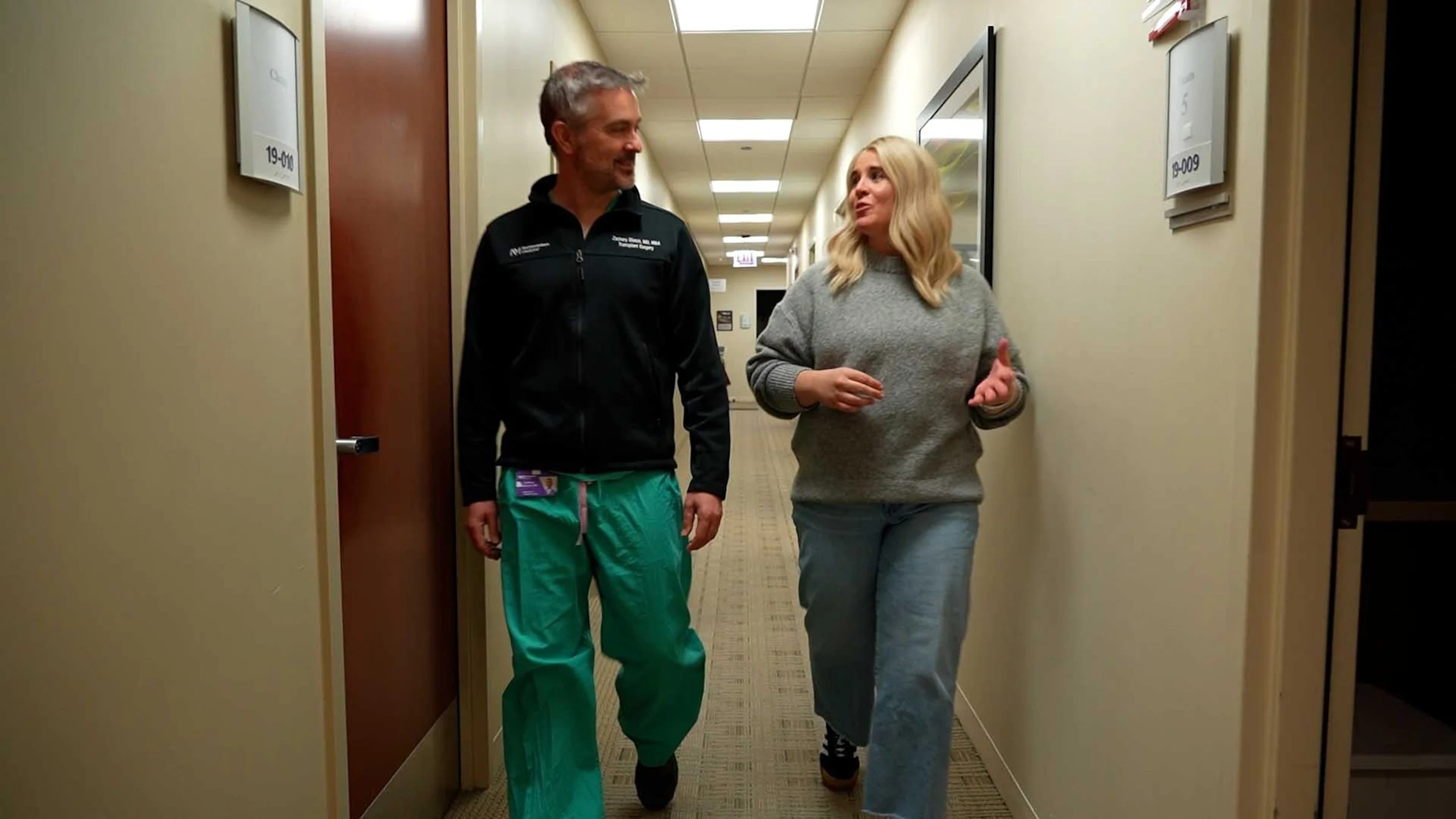
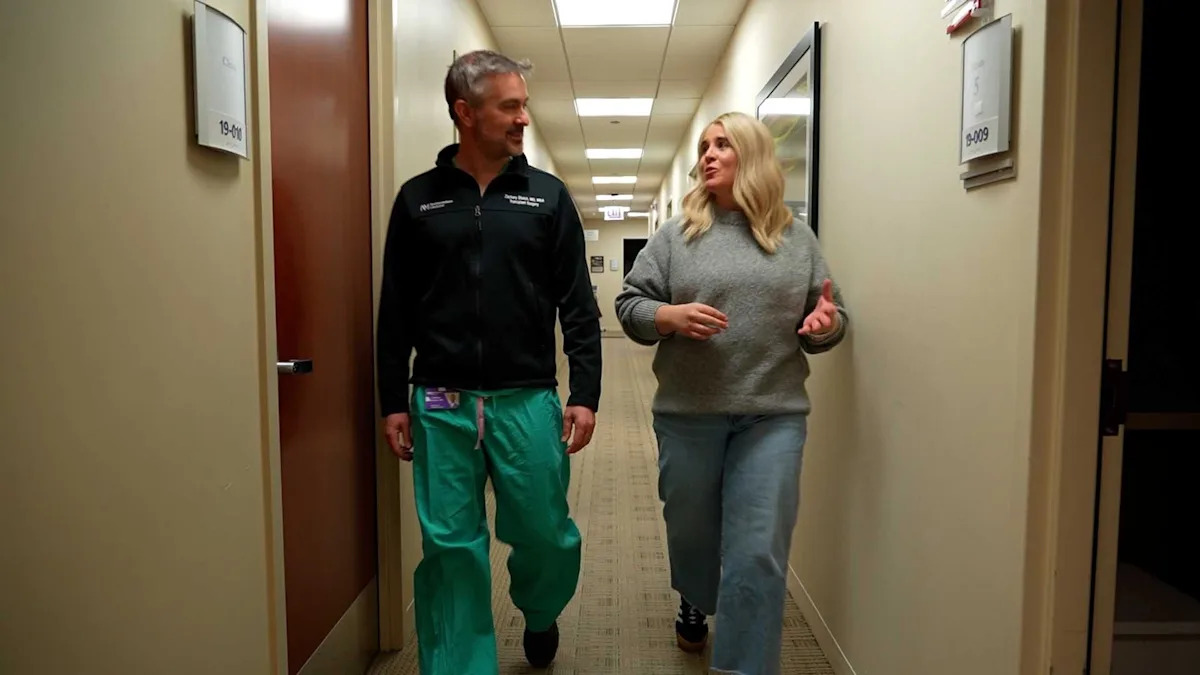
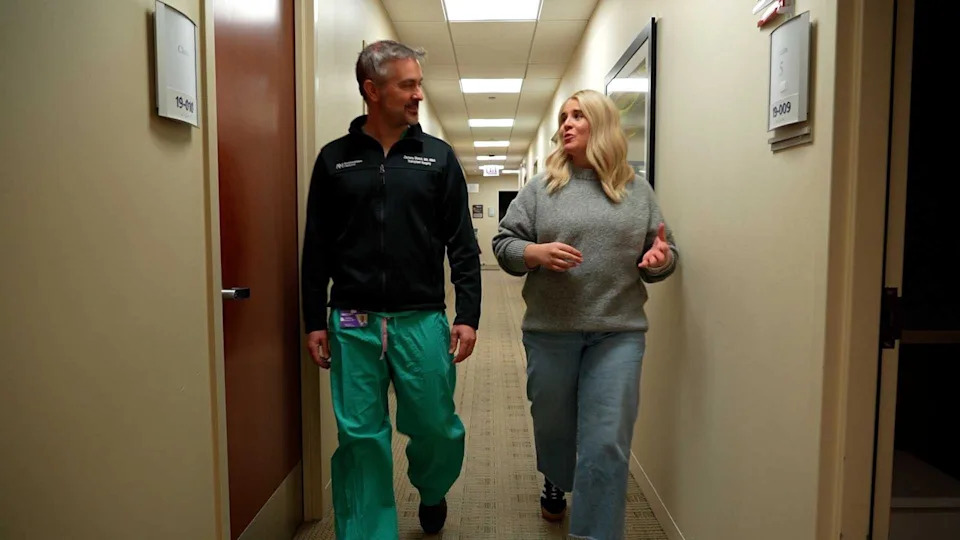
Dr. Zachary Dietch, an assistant professor of surgery and abdominal organ transplant surgeon at Northwestern Medicine, who treated Piccioli, told ABC News that other treatment options for Picciolo offered "very poor chances at long-term survival."

Why are so many younger Americans getting and dying of colorectal cancer?

"Amy's one example of how liver transplant for patients with unresectable colorectal cancer can be a lifesaving and potentially curative treatment for patients who are otherwise facing very dismal prognosis and have limited treatment options," Dietch said, adding, "I hope stories like Amy's will help spread the word so that patients know about this option for treatment."

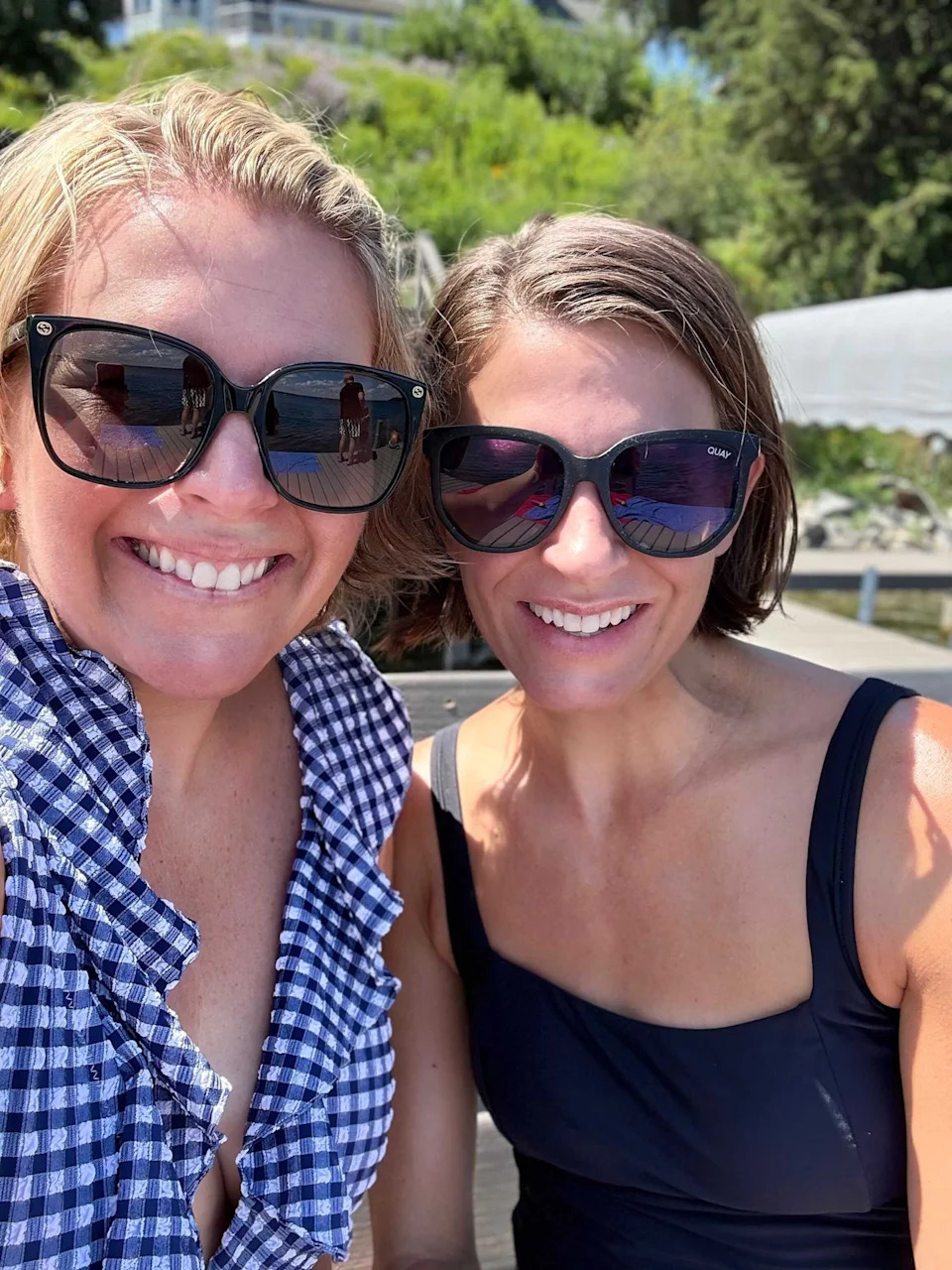
In Piccioli's case, her search for a liver donor hit close to home when a close family friend, 37-year-old Lauren Prior of Glenview, Illinois -- who is also a mom of three -- turned out to be a match.

"It's such a small sacrifice to make that could potentially save someone's life, or at least improve their quality of life," Prior told ABC News of being a donor for her friend. "The impact you can have on someone else is incredible, and it's worth it."

The two friends found out they were a match last fall and underwent their respective donor and recipient surgeries at Northwestern Medicine in December.

During the procedures, doctors removed a portion of Prior's liver and transferred it to Piccioli, whose previous liver was removed.

Piccioli said she is taking anti-rejection medication following her surgery and will have to be monitored over time but otherwise feels "completely back to normal."

Dietch said Piccioli has been "doing fantastic."

Speaking with "GMA," Piccioli said she hopes others who read her story, particularly those who have been diagnosed with cancer, feel hopeful.

"It's the worst thing … but for me, it changed my perspective on life so much," she said. "[I'm] actually, grateful that this happened at such an early age that I still have time to change my life and realize what's important."