yahoo Press
Accidental discovery reveals ‘simple thing’ bedbugs fear
Images
1 / 12
2 / 12

3 / 12

4 / 12

5 / 12

6 / 12
7 / 12
8 / 12
9 / 12

10 / 12

11 / 12

12 / 12
An accidental lab discovery reveals that bedbugs dread water and moisture, according to a new study that may lead to new strategies to control the spread of the invasive insects.

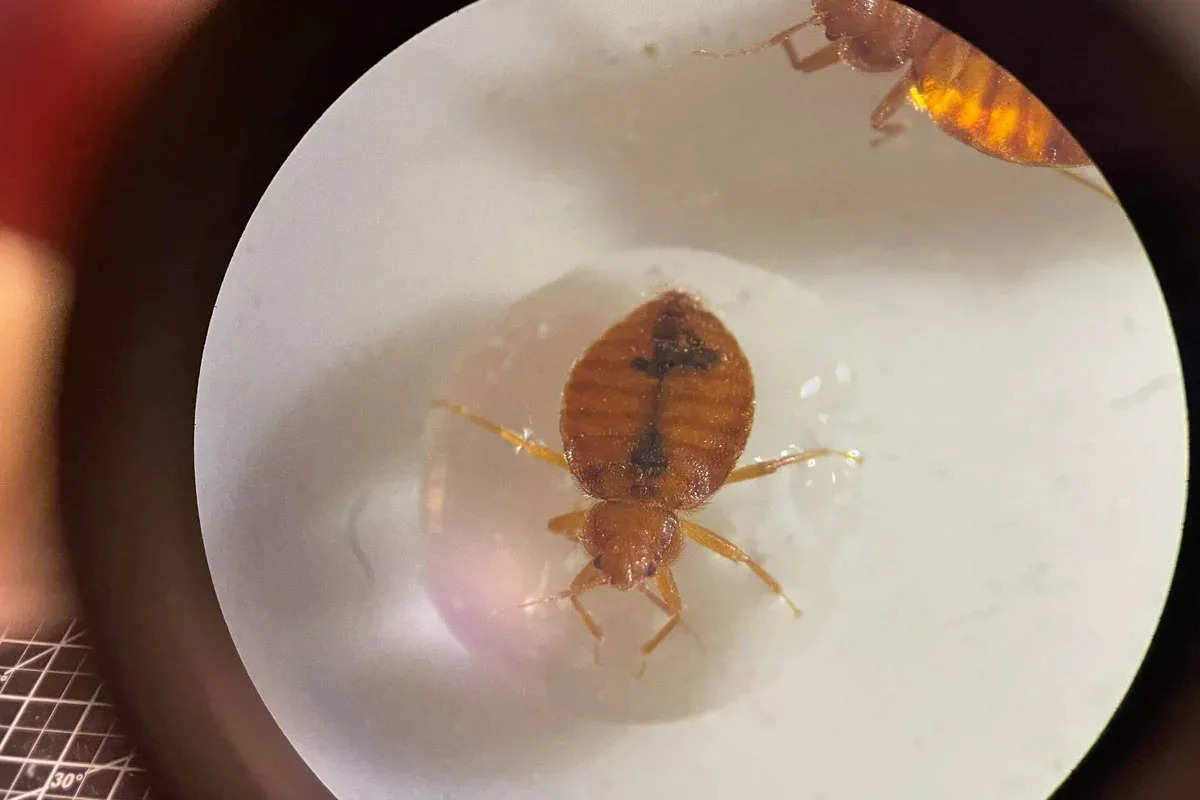
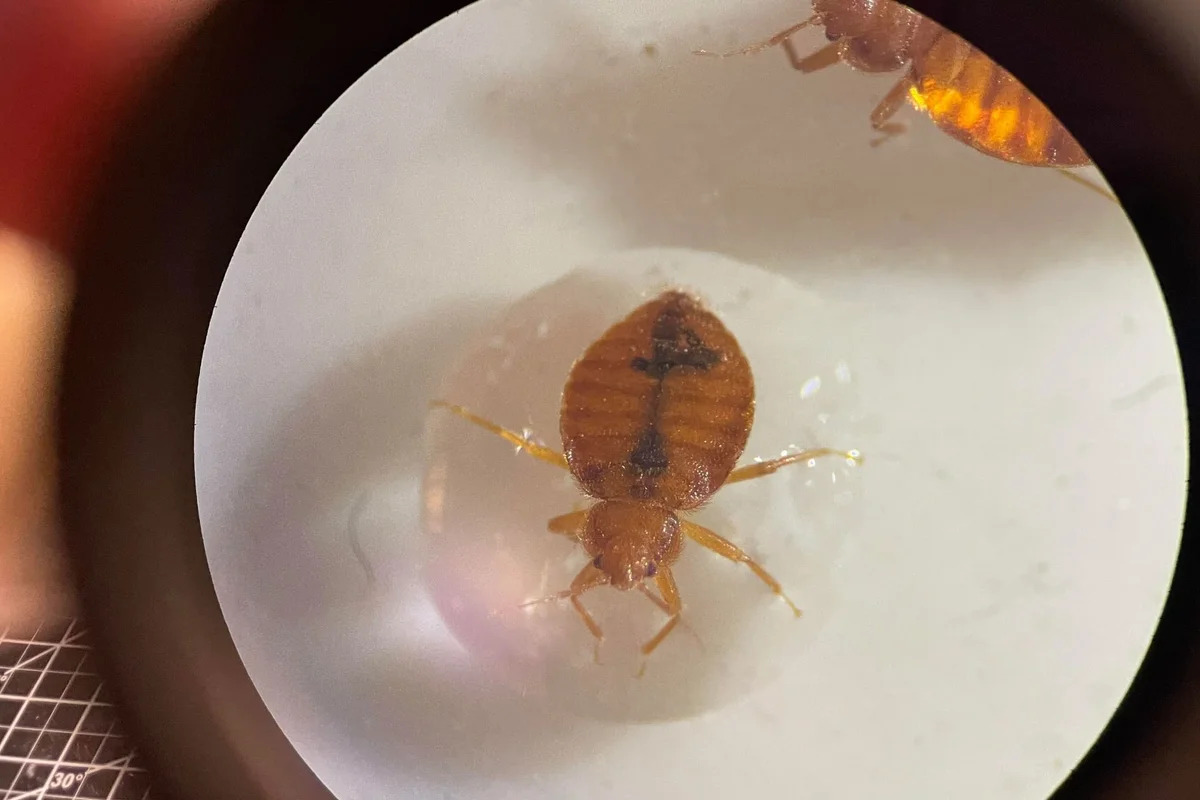
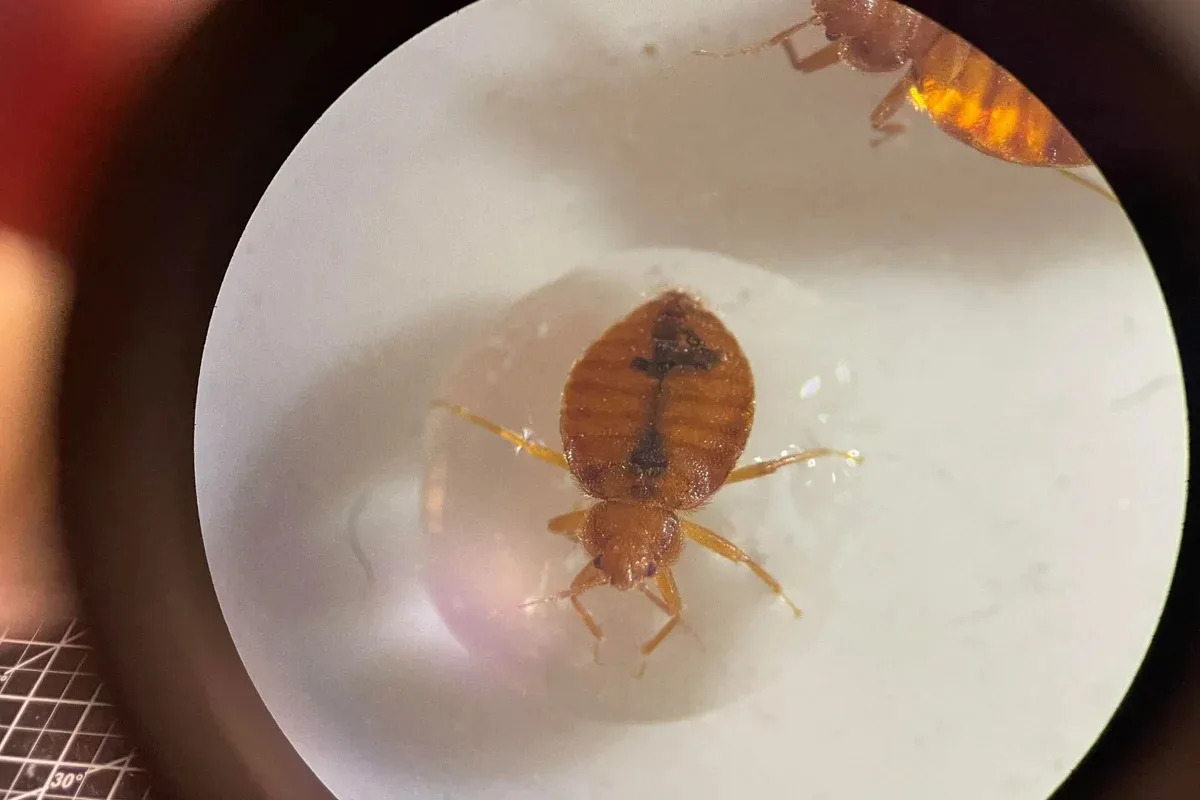
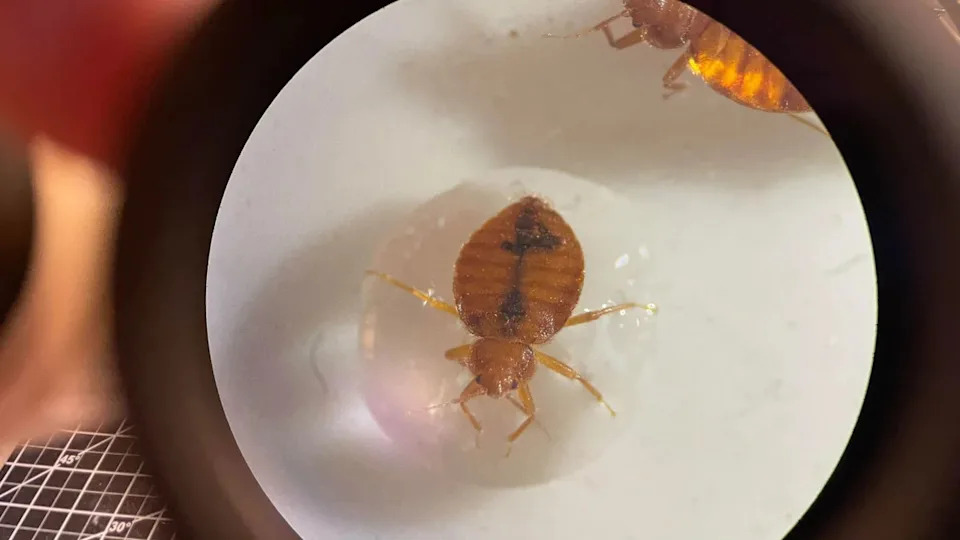
The common bedbug, Cimex lectularius, is a blood-sucking insect that can quickly establish itself inside a home and can prove extremely difficult to eliminate.

A growing body of research suggests there has been a global resurgence of bedbugs in the past 20 years, mainly due to the insects developing resistance to chemical pesticides. So researchers have been attempting to get a better understanding of their behaviour to improve control methods.

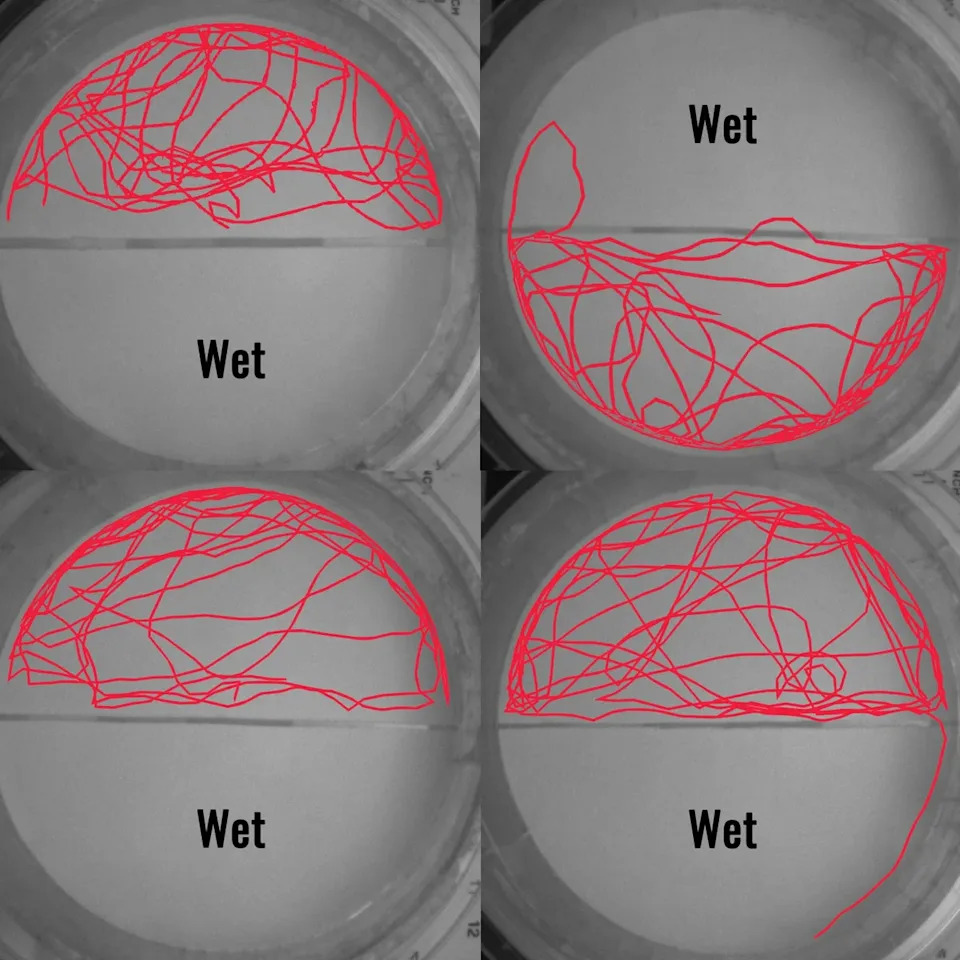
The new study reveals that bedbugs avoid water and wet surfaces. Such behaviour was previously unknown.

The surprising finding, researchers say, fits well with the physical structure of the insects, which have very flat bodies and small breathing openings known as spiracles along the sides of their abdomen.

“If they physically contact a body of water, they’ll get stuck to its surface, blocking their respiratory openings,” explained Dong Hwan Choe, an author of the study published in the Journal of Ethology.

“Due to its strong adhesive power, water could be very dangerous from a bedbug’s perspective. So, it is not surprising to learn that they’re extremely averse to moisture,” said Dr Choe, an entomologist at the University of California, Riverside.

The latest discovery was made accidentally during routine laboratory work. Researchers maintained bedbug colonies in small vials and placed an artificial feeder filled with blood on top of the vials.

The insects climbed upward and pushed their mouth parts through a thin membrane to get the blood.

A vial membrane holding the blood was slightly damaged and, so, blood from the feeder began soaking into a piece of paper kept inside for the insects to use for gripping.

“The leaked blood was slowly soaking the paper from the top of the vial. I thought the bedbugs would be happy to drink the blood from the paper,” Dr Choe said.

“But what I saw was very different. They were actively avoiding the part of the paper that became wet with blood. They wouldn’t even walk near the wet areas.”

Scientists then dampened the paper in the vials with water to test if moisture itself was responsible.

They found that the bedbugs avoided those areas as well.

Further experiments revealed that all bedbugs – whether male or female, young or old – avoided wet surfaces.

The pests retreated from a wet area faster than they approached it in many instances, often performing “rapid U turns”, according to the study.

These findings could influence strategies for controlling infestations, researchers said.

They point to a simple solution if a person suspects they may have bedbugs on them. “Take a bath. It’ll solve the problem,” Dr Choe said.

“Of course, the bedbugs in the room or on the bed will require different approaches.”