yahoo Press
Baltimore restaurant declares bankruptcy to stop foreclosure sale of its building. How this may backfire for the owners
Images
1 / 4
2 / 4

3 / 4

4 / 4
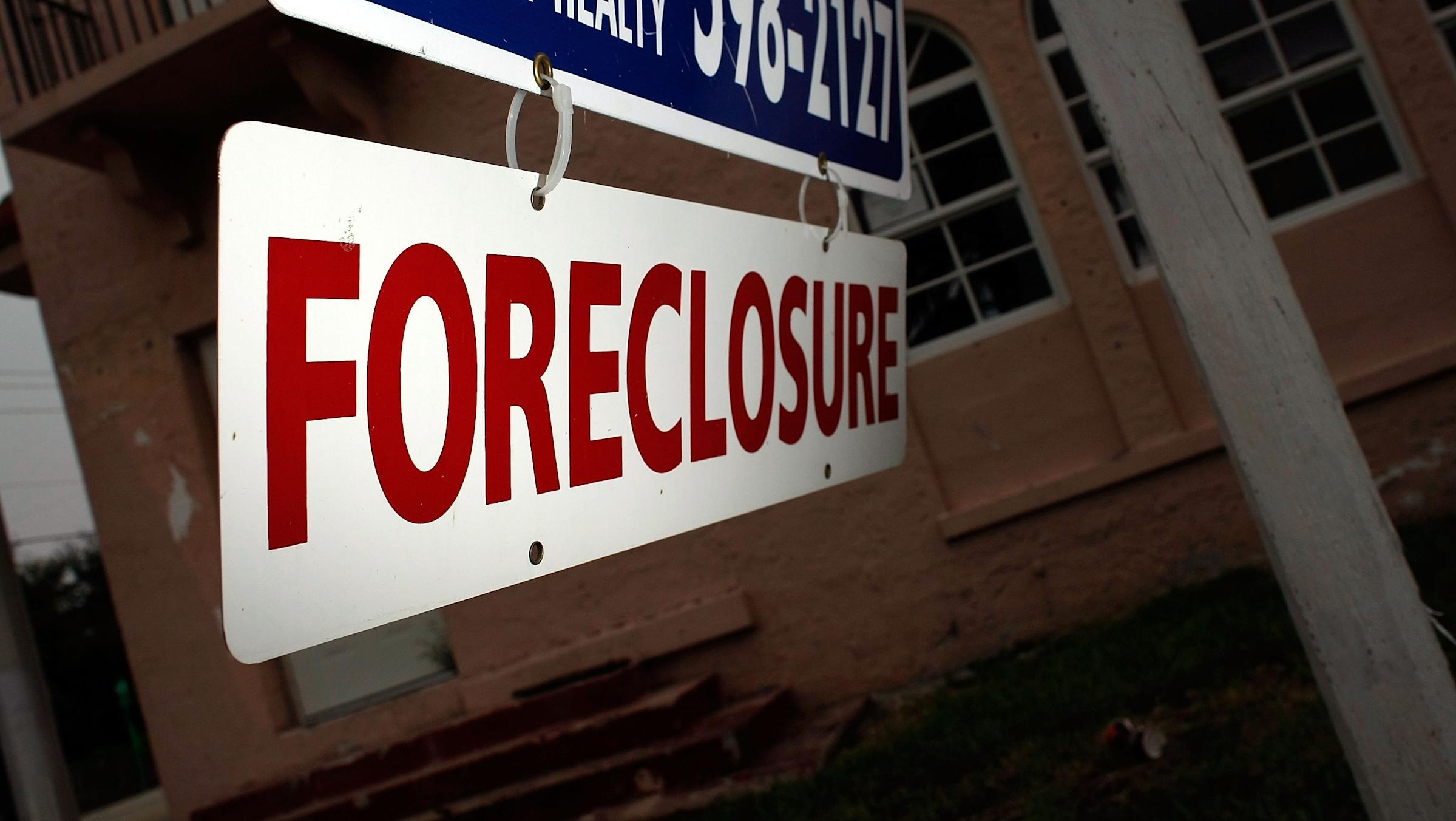
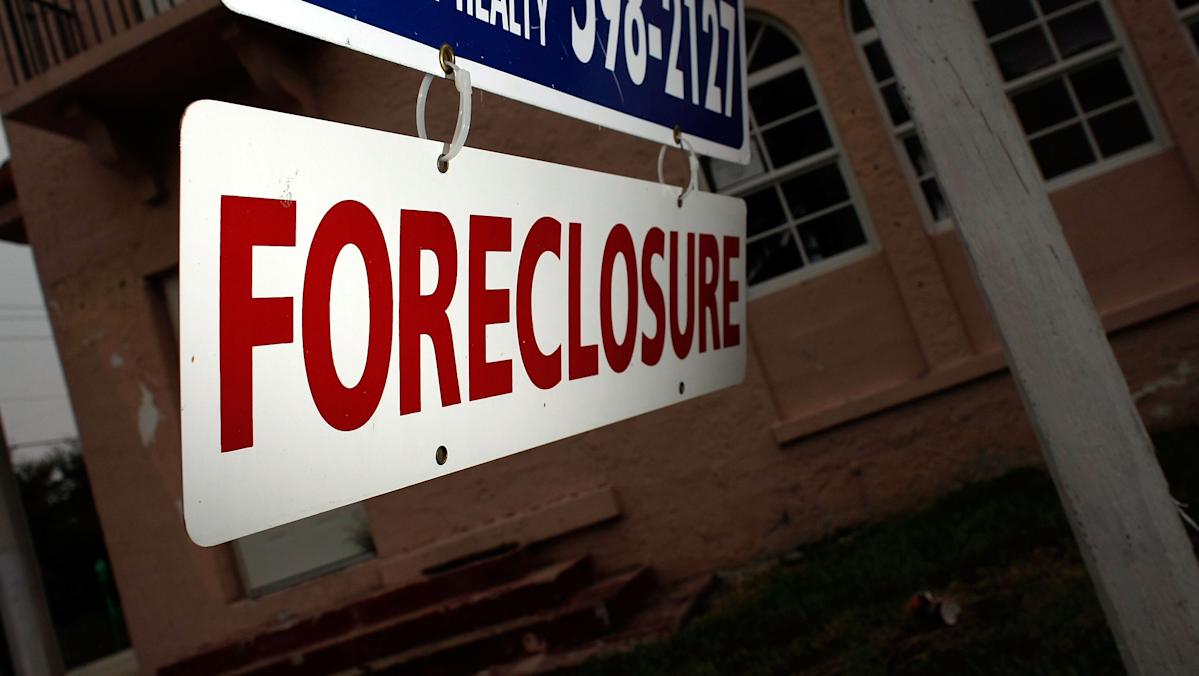
A Baltimore restaurant recently filed for bankruptcy in an effort to prevent the foreclosure sale of its building in Fells Point, reports CBS News (1).

The Black Olive opened nearly 30 years ago in a popular waterfront neighborhood, serving a variety of classic Greek dishes with a Maryland twist. The restaurant’s location — 814-816 S. Bond Street — was scheduled for a foreclosure sale at auction in late February 2026 before the owners filed for bankruptcy at the last second and blocked the sale, according to the Baltimore Sun (2).

Thanks to Jeff Bezos, you can now become a landlord for as little as $100 — and no, you don't have to deal with tenants or fix freezers. Here's how

Dave Ramsey warns nearly 50% of Americans are making 1 big Social Security mistake — here’s what it is and the simple steps to fix it ASAP

Robert Kiyosaki says this 1 asset will surge 400% in a year — and he begs investors not to miss its ‘explosion’

The Black Olive's owners insist the restaurant will remain open despite the Chapter 13 bankruptcy case.

"This filing has nothing to do with the viability of the restaurant," Adam Freiman, the restaurant's attorney, told CBS News. "This is a real estate dispute involving loans that the owners contend have been fully satisfied, and which the bank disputes."

A Chapter 13 filing, which is also known as a wage earner's plan, allows individuals with regular income to establish a repayment plan to pay off debts and often protects specific assets, such as real estate. Filing for bankruptcy also halts any attempts by creditors to recover said debts (3).

Related: A realistic exit strategy for credit card debt

When a business faces property foreclosure, the consequences can be severe. Once a foreclosure sale goes through, ownership of the building transfers to the lender or a new buyer, and the business that occupies that building may be forced to negotiate a new lease, relocate or shut down entirely.

But filing for bankruptcy temporarily changes the rules. By filing for Chapter 13 bankruptcy, The Black Olive’s owners triggered what’s known as an automatic stay (3). This pause immediately stops foreclosure proceedings, giving the owners time to challenge disputed debts and work through repayment issues under judicial supervision.

In cases like this, bankruptcy isn’t about escaping obligations; it’s about buying time. The process allows business owners to present evidence, negotiate with lenders and propose a structured repayment plan rather than losing a property outright. That breathing room can be critical for restaurants and small businesses that are otherwise operating successfully, as The Black Olive claims.

"Customers, employees, and vendors should understand this clearly: this is business as usual," said Freiman (1). "The restaurant is thriving, the doors are open, and the owners are confident this process will allow them to resolve the dispute and preserve a Baltimore institution."

Still, declaring bankruptcy won’t fix all of The Black Olive’s problems. While bankruptcy can temporarily stop foreclosure, it doesn’t eliminate the underlying debt or guarantee a favorable outcome. Courts get the final say on whether repayment plans are approved or whether the foreclosure can resume as planned.

Read More: 8 essential money moves to make once you’ve saved $10,000

Read More: You can now invest in this $1B private real estate fund starting at just $10

Bankruptcy often has a negative stigma attached to it, but many small business owners use it as a strategic legal tool. That said, the decision to file can come with real trade-offs.

Potential benefits include:

Immediate foreclosure protection: The automatic stay can stop property seizures and lawsuits, while also preventing collections agencies from calling.

Structured negotiations: Bankruptcy courts provide a formal process to resolve disputes with lenders or creditors.

Business continuity: Companies may continue operating while financial issues are addressed.

Leverage in debt negotiations: Creditors may be more willing to negotiate once a bankruptcy filing is in place.

But there are also downsides that can't be ignored:

Legal and administrative costs: Bankruptcy filings aren't free. Businesses have to cover costs like attorney fees, court costs and ongoing reporting requirements.

Credit damage: A bankruptcy can make future financing more difficult or expensive.

Reputation impact: Court filings are public, which may concern vendors and partners.

No guaranteed outcome: If disputes aren’t resolved, foreclosure or asset loss may still happen down the road.

For business owners — and even homeowners — it's important to understand that bankruptcy doesn’t automatically mean closing your business or losing your home. In some cases, it can give you enough time to resolve disputes. But in others, it may simply delay the inevitable while adding costs and frustration.

Determining whether bankruptcy is worth pursuing depends on several factors: the strength of the business’ cash flow, the size and nature of the disputed debt, the likelihood of negotiating a settlement, and the long-term impact on financing and operations.

This 20-year-old lotto winner refused $1M in cash and chose $1,000/week for life. Now she’s getting slammed for it. Which option would you pick?

Turning 50 with $0 saved for retirement? Most people don’t realize they’re actually just entering their prime earning decade. Here are 6 ways to catch up fast

Young millionaires are rethinking stocks and banking on these assets instead — here’s why older Americans should take note

Here’s how I’m keeping my $2M nest egg safe at 71 — and making sure my grandkids inherit every penny

Join 250,000+ readers and get Moneywise’s best stories and exclusive interviews first — clear insights curated and delivered weekly. Subscribe now.

We rely only on vetted sources and credible third-party reporting. For details, see our editorial ethics and guidelines.

CBS News (1); Baltimore Sun (2); United States Courts (3).

This article provides information only and should not be construed as advice. It is provided without warranty of any kind.