buzzfeed Press
"We Should Make It As Easy As Possible": People Are Debating Accepting Former Trump Supporters
Images
1 / 15
2 / 15

3 / 15
4 / 15
5 / 15
6 / 15
7 / 15
8 / 15
9 / 15
10 / 15
11 / 15
12 / 15
13 / 15
14 / 15
15 / 15
"Do you want to win, or do you want to grandstand?"

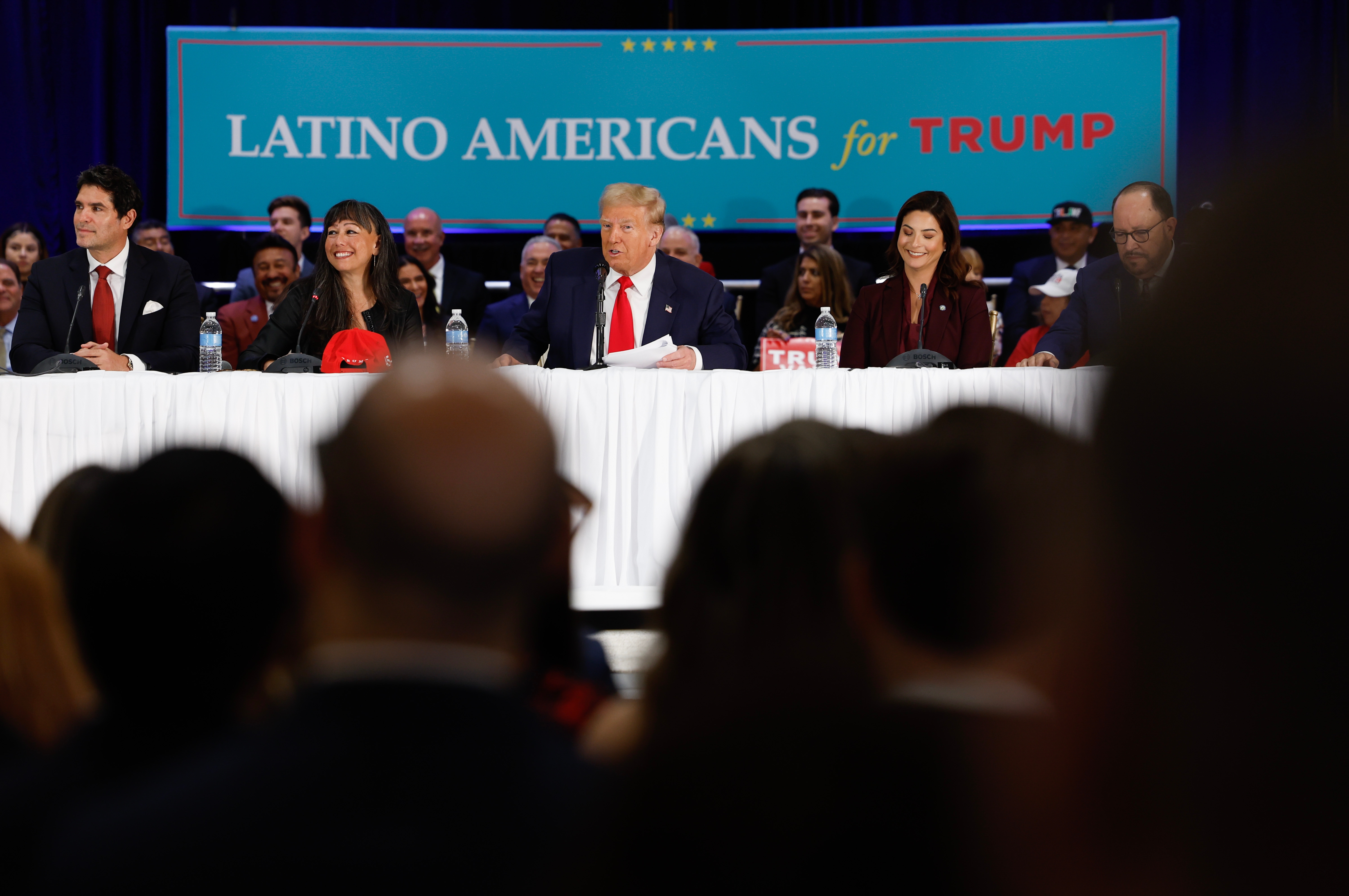
"And do you know what's the funniest part?" they wrote. "There is no gloating or 'haha gotcha' from fellow my Brown people and me. Trump destroyed a family of Mexican Americans and destroyed a community because of his bullshit. Trump said he was gonna deport the CRIMINALS first, right? Nope, he didn't; he deported actual citizens. Obama may have deported more people, but he's not the one telling his supporters that it's OK to openly harass Mexican Americans. I was HARASSED and asked if I was legal TWICE by two different white women. There are people online being bold, being ignorant, and hateful because Trump is empowering them and making them feel safe." The comment ends: "So no, fuck them and especially fuck the Brown MAGA supporters."

Likewise, researchers Petersen, Osmundsen, and Arceneaux identified a trait they called a "Need for Chaos" — a desire to tear down existing structures — that predicted hostile political engagement better than partisanship alone. About 25% of 2024 voters told AP VoteCast they wanted "complete and total upheaval."

By mid-2025, Trump's approval among Black voters had dropped from 28% to 15%, more than 1 in 3 of his Latino supporters expressed regret or disappointment, and Asian American disapproval surged to nearly 70%.

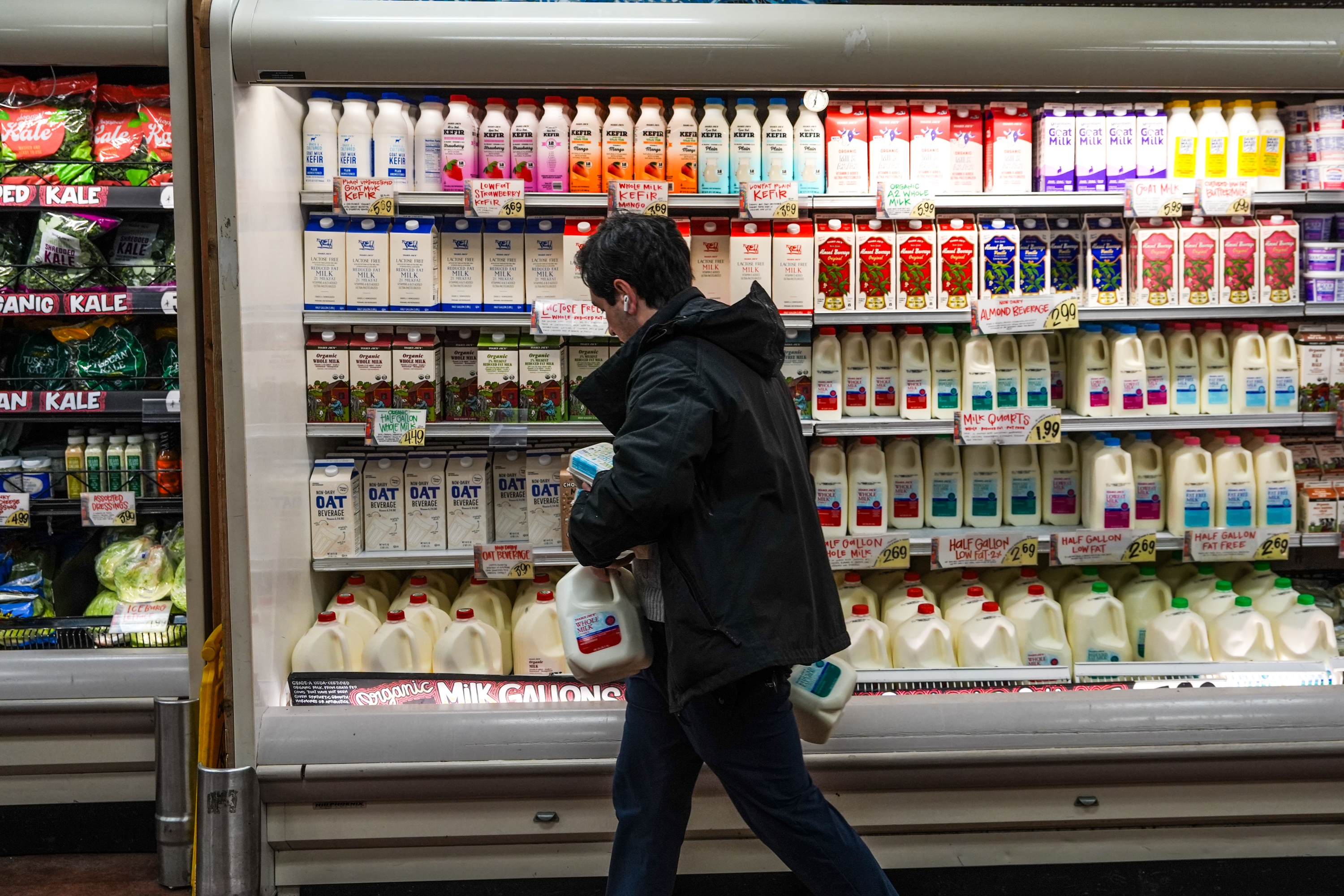
Economist Kyla Scanlon coined the term "vibecession" to describe a period where the data looks fine, but the collective mood is awful, and researchers at the University of Michigan and Brookings identified what they called "referred pain" — anger about cultural or political grievances bleeding into how people assess the economy. Trump won that income bracket.

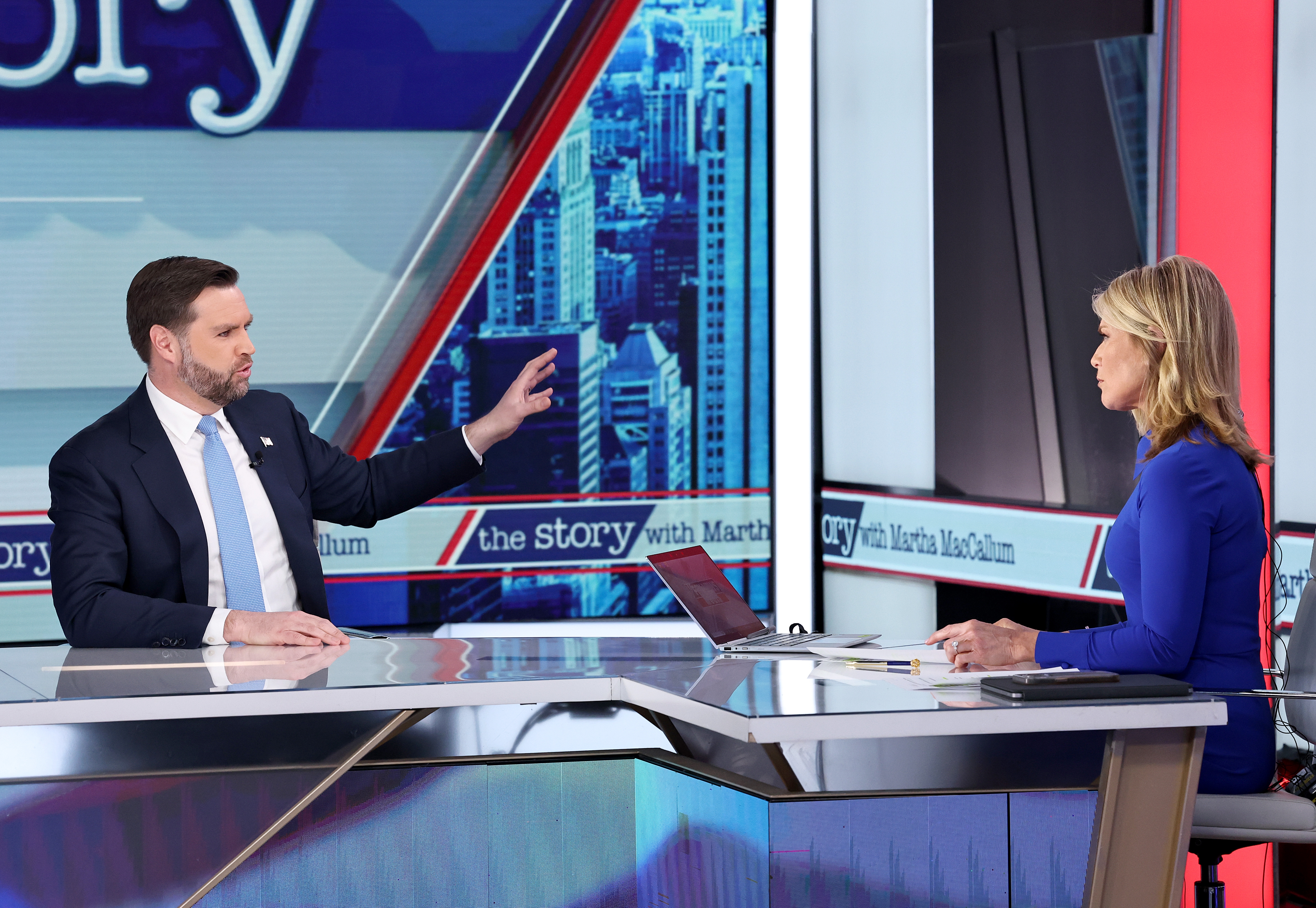
A Fairleigh Dickinson University study found that Fox News viewers scored the lowest of any media consumers on factual knowledge questions — lower, even, than people who watched no news at all. Meanwhile, a Harvard-led analysis of 4 million online messages documented what the researchers called "asymmetric polarization": the right-wing media ecosystem operates as a closed, self-reinforcing loop, while center-left media remains more connected to professional journalism's self-correction mechanisms.

Sociologist Arlie Russell Hochschild found a similar emotional undercurrent during five years of interviews with conservative voters in rural Louisiana for her book Strangers in Their Own Land. Many described a shared narrative: They were patiently waiting in line for the American dream and perceived that other groups were cutting ahead of them while the government held the door open. Trump validated that feeling. Hochschild's insight was that people don't vote against their economic interests — they vote for their emotional interests, for a candidate who makes them feel seen.

Note: Responses have been edited for length/clarity.