yahoo Press
Major prediction market faces 34th country ban
Images
1 / 4
2 / 4

3 / 4

4 / 4
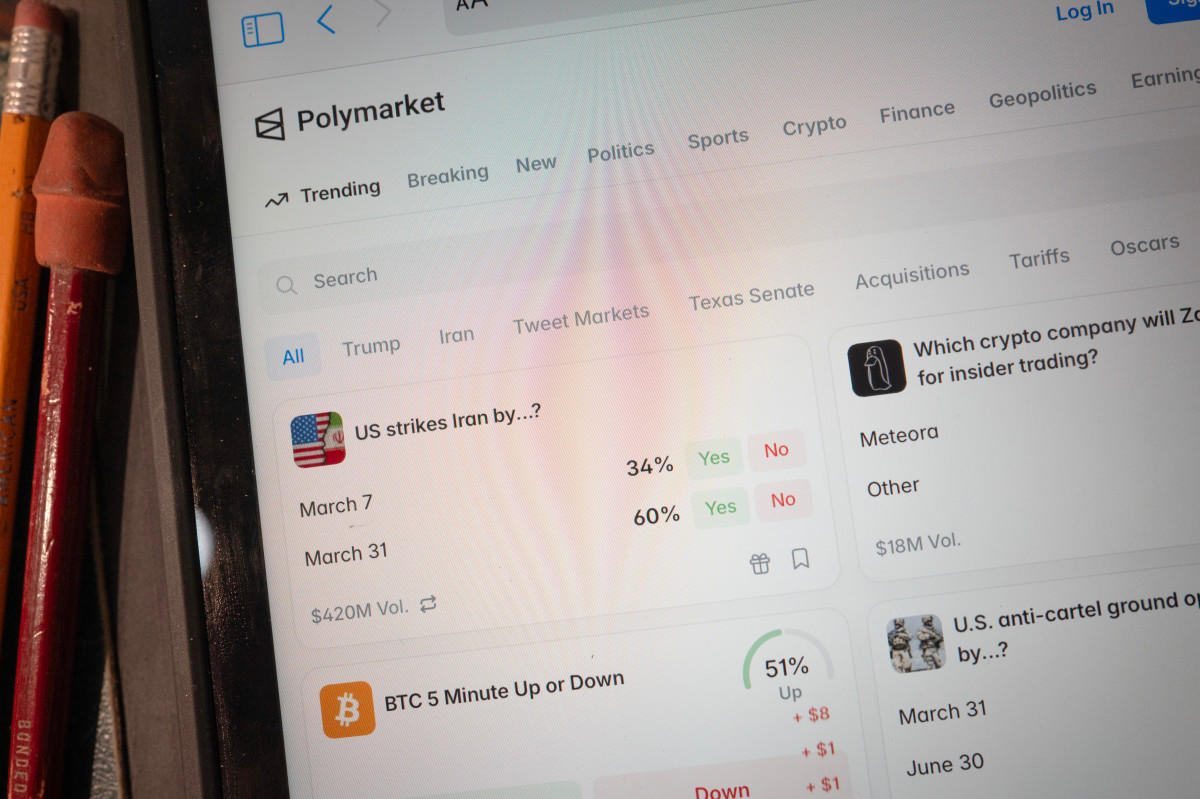
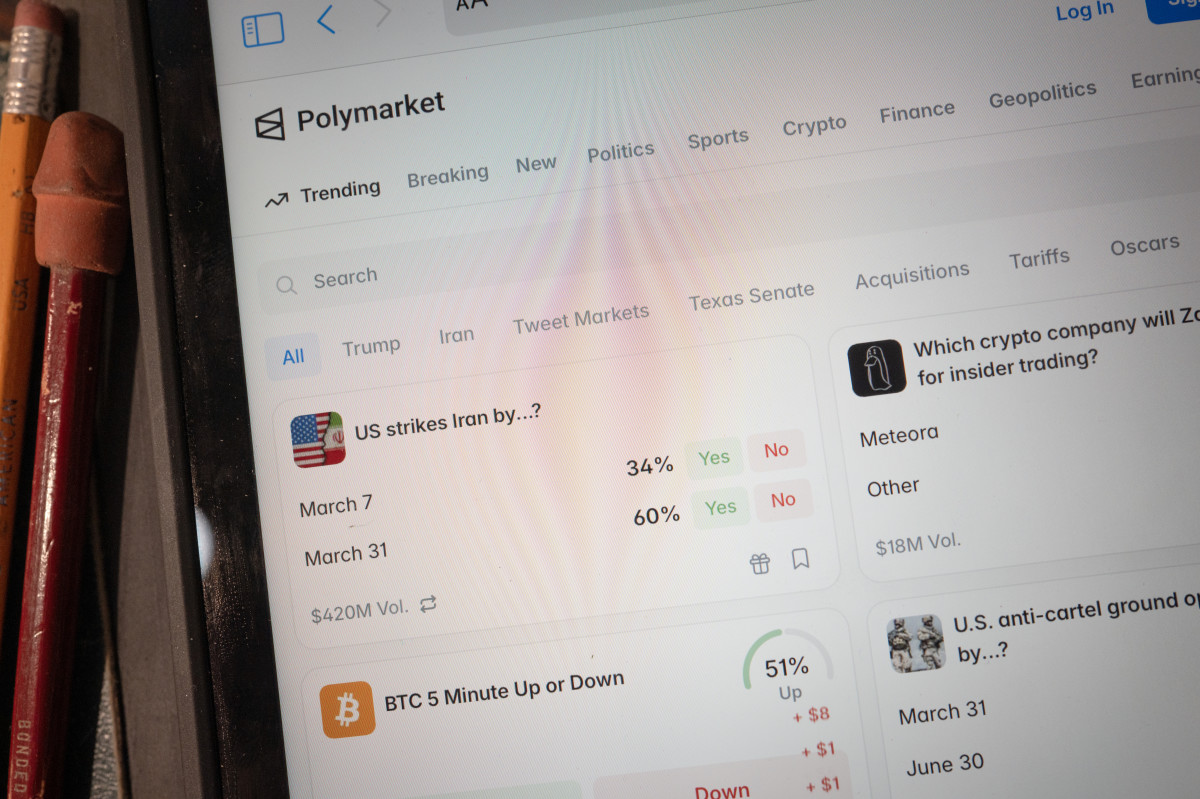
Popular prediction market Polymarket is facing regulatory heat from another country.

But this time, it is a pro-crypto country.

A court in Argentina ruled that Polymarket was operating without proper authorization and exposing users to gambling-related risks, prompting authorities to act swiftly.

Related: Why Argentina chose a pro-Bitcoin candidate

Argentina has become the 34th country to ban Polymarket. Polymarket already restricts access in more than 30 countries, including France, Germany, Italy, Australia and Poland.

Closer to home, Polymarket's journey in the United States has not been without some regulatory pushback.

In 2022, the Commodity Futures Trading Commission (CFTC) fined Polymarket $1.4 million for operating as an unregistered derivatives platform, forcing it to block U.S. users.

However, the company has since attempted to re-enter the U.S. market, acquiring QCEX for $112 million in July 2025 and securing federal approval in November.\\

But legal battles continue at the state level, where regulators argue that event-based contracts, particularly those tied to sports, fall under gambling laws rather than financial regulation.

In 2026, new proposals, including the “Death Bets Act,” aim to ban contracts tied to war, assassination and other violent events, citing ethical and national security risks.

There is also another proposal that aims to bar members of Congress, the president, and the vice president from trading event contracts on prediction market platforms like Polymarket and its rival Kalshi.

Leading analysts reveal new details on MicroStrategy’s ‘central bank’ role

Another major Wall Street bank sued over $328 million ponzi scheme

Jane Street keeps trading Bitcoin amid insider trading lawsuit

Polymarket allows users to wager on binary outcomes tied to real-world events, including politics, inflation, and geopolitical conflicts, often using crypto or credit cards.

However, this is not sitting well with Argentina.

The new ruling by a Buenos Aires court mandates internet service providers to block access to Polymarket and its associated domains across the country, local media reported on March 16.

Authorities also instructed Apple and Google to remove or restrict the platform’s mobile apps for Argentine users.

The enforcement is being coordinated through ENACOM, Argentina’s communications regulator, signaling a broad and centralized crackdown.

The case was brought forward by the City of Buenos Aires Lottery (LOTBA) and supported by casino industry group CASCBA. Prosecutors argued that while Polymarket presents itself as a prediction market, it effectively functions as a betting platform.

Trader makes $1M in a day on Seahawks Super Bowl win

Polymarket services restored after brief downtime

Columbia University study claims 25% of Polymarket trades are inflated

The investigation gained traction after unusual activity linked to Argentina’s February inflation data. A Polymarket contract appeared to anticipate the official figure before its release by INDEC, raising concerns that some users may have acted on privileged information.

Still, regulators emphasized that their case focused primarily on legality and user protection rather than market integrity alone.

Officials said the platform lacked robust identity verification and age controls, allowing users to create accounts within minutes. This, prosecutors argued, increased the risk of minors and vulnerable individuals accessing gambling-like products.

Related: Why Argentina Is Increasingly Adopting Crypto

This story was originally published by TheStreet on Mar 17, 2026, where it first appeared in the Trading News & Analysis section. Add TheStreet as a Preferred Source by clicking here.