Press
Adoption system leaves too many parents isolated, government admits after BBC investigation
Images
1 / 10

2 / 10
3 / 10
4 / 10
5 / 10
6 / 10
7 / 10
8 / 10
9 / 10
10 / 10
The government has admitted to the BBC that the adoption system "needs to improve", saying too many parents are currently left isolated in a "system that doesn't understand them".

Josh MacAlister, the children and families minister for England, apologised to families who have received "support from services that isn't good enough".

His comments come after a BBC investigation found that hundreds of adoptive parents had struggled to get help for their children or had been blamed for their emotional and behavioural difficulties.

MacAlister said that a whole system change is under way in England and a 12-week consultation has been launched to ask adoptive parents what needs to be done in the long term to improve the system.

While some adoptive parents have said the consultation is not thorough enough, MacAlister said it has been intentionally left broad because he wants there to be a "genuine effort to test our new approaches".

In November, the BBC conducted the most extensive Freedom of Information request ever into adoptions that had broken down, finding that more than 1,000 adopted children in the UK had returned to care in the past five years.

The true number is likely to be even larger, as only a third of authorities said they collected this data as standard practice.

The investigation found that some parents were not given enough information about the child's background and history when they adopted them, something MacAlister admitted happens "too much at the moment".

Adoptive parent Lucia said she's "angry that the army of adopters across the country do not get the recognition or support they need".

She wants the government to recognise that families need immediate, consistent and continued support rather than when they have reached crisis point.

"I think we need mental health support, financial support, support with the education system and it should be post-adoption support and predicated on the assumption that you will need all of those - and you can opt out if you don't need it," she said.

MacAlister said that "for too long" the current system had focused on "late-stage crisis intervention rather than getting in early with support without judging you."

He added that he had increased the budget for the Adoption Support Fund in England by 10% this year "so more families can get support", despite it being cut in 2025.

The Adoption and Special Guardianship Support Fund (ASGSF) provides government money for therapeutic treatment.

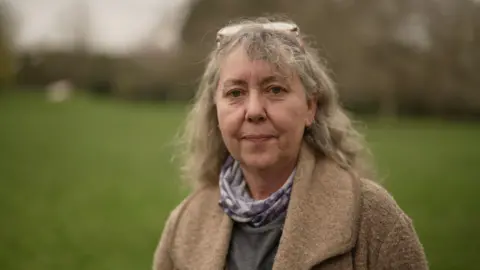
Jackie, a parent to two children who have been with her for eight years, says she wasn't "prepared for what was to come" when she adopted, despite being a trained psychotherapist and having worked with Childline.

She is aware of the ASGSF but she says it's "not really a support fund - it's a small amount of money that can be used for a small amount of support throughout the year".

MacAlister recognised that it is "challenging to get money" from the fund and it's only a short-term support system.

"We need to get to the point where families don't get to this point," he said.

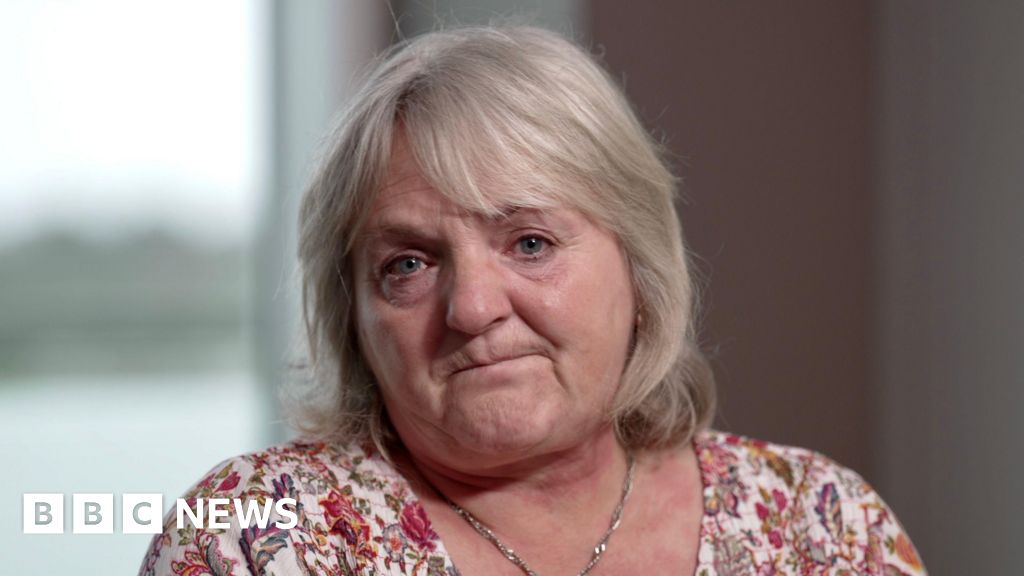
Mary, who has a 17-year-old adopted daughter, said she was arrested and put in a cell after false allegations were made against her by her child.

She described it as her lowest point, feeling "frightened and terrified", and said the years of stress mean she will never "be the same person again".

Mary persistently asked for support for her daughter, who she said she loves but is no longer able to live with her after the adoption broke down.

"When we want help, you can bang on doors, you can scream, you can shout because you know you need help, but there's nobody there," she explained.

The minister called Mary's experience "totally shocking" and couldn't imagine being in her position where you've asked for help "and the response has been that you're at fault".

Mary is one of many parents who told the BBC that they were not listened to when they raised concerns.

Asked about whether there was a culture of blame towards adoptive parents when something goes wrong, MacAlister said that getting the balance between having a system that protects both children and parents "isn't easy".

"I'm really happy to look at how we can provide better support for adoptive families and look at the allegations process so that it's fit for purpose," he added.

The Adoption UK's 2025 barometer survey found 42% of respondents said they are facing severe challenges or in crisis - this figure is up from 38% the year before.

MacAlister said he accepts that "lots of adopters come forward in the early stages of the process and feel they have a very limited picture of the background of the child that they're adopting."

"That's one of the reasons why we've asked Adoption England to provide new guidance which has just come out very recently on how to actually do more effective adoption plans.

"For some adopters that might mean they decide not to go through the process, but I think many still would - and they would do that with their eyes wide open to the history and the experiences that these kids have had before they come into their family."

One of the suggestions made by the government is for more peer support groups to be created, where adoptive parents support each other.

Sara Taylor is the CEO of It Takes A Village, one of the groups which is funded by the Regional Adoption Agency. The group is based in south-west England with 500 members.

She says adoptive parents take on the role of "social workers, therapists, teachers as well as the mum role".

She explains that support networks are a vital part of what adopters and their families need "but it's not the solution by any means".

"Our children need specialist professional support throughout the whole of their lives and I think the government needs to understand that we are parenting some of the most vulnerable children in the country."

But Taylor, as well as other adoptive parents, worries the government will come to rely on groups like hers.

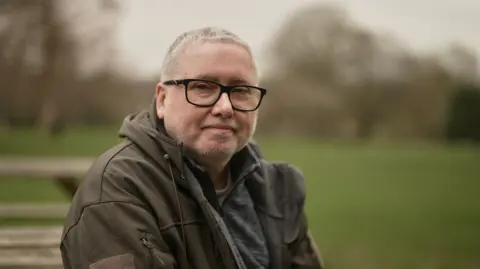
"I think we're the cheap option – we're the most cost effective way for the government," says adoptive parent Darren.

Martin, another adoptive parent, agrees. "It Takes a Village is adopters supporting adopters because no-one else is flipping supporting us".

He says without the peer support he would have experienced an adoption breakdown where a child is returned to the care system.

In response to these parents, MacAlister said it was a "sign that important parts of the process are not working well enough" but insisted that this was just the experience of a minority group of adopters.

"Many adoptions have been hugely successful and have great support from organisations, regional adoption agencies and the ASGFS."

MacAlister said there is "a whole system change under way" and that he is committed to "making sure we can make it better".

A charity receives hundreds of enquiries in response to an appeal to find a home for three sisters.

16-month-old Lily, Rose, and Violet share "incredible bond and bring joy to everyone who meets them".

One Adoption Yorkshire say there's still a myth that people from the LGBTQ+ community can't adopt.

A mum says she has been physically attacked by her daughter and is reaching "breaking point".

Janet and Theresa were just five and seven when their mum was killed at their family home.