yahoo Press
Federal Reserve unveils its proposal for lower bank capital requirements
Images
1 / 6
2 / 6

3 / 6

4 / 6

5 / 6
6 / 6
A long-awaited proposal from the Federal Reserve released Thursday would tweak financial crisis-era capital requirements, reducing banks' cash cushions to align with changes in the economy while aiming to boost lending.

Under the proposal, the largest banks, like JPMorgan Chase (JPM) and Bank of America (BAC), would see capital fall on net by 4.8%, while other large banks — those with assets between $100 billion and $700 billion — would see their capital requirements drop by 5.2%. Banks with less than $100 billion in assets would see a 7.8% reduction.

After the proposals are implemented, the largest banks in the US would still hold in excess of $800 billion in capital to guard against downturns, and capital levels would still be twice as much as before financial crisis.

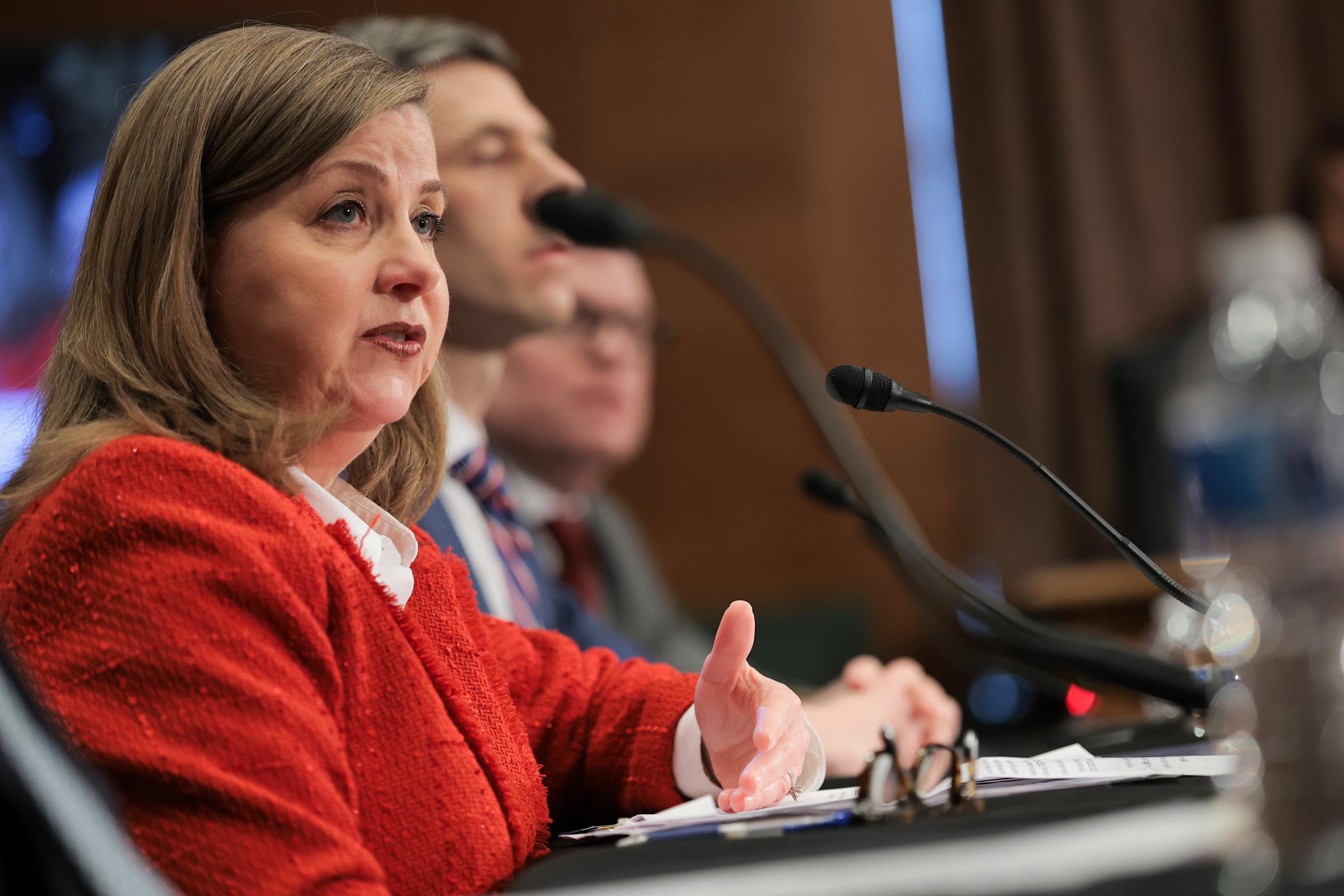
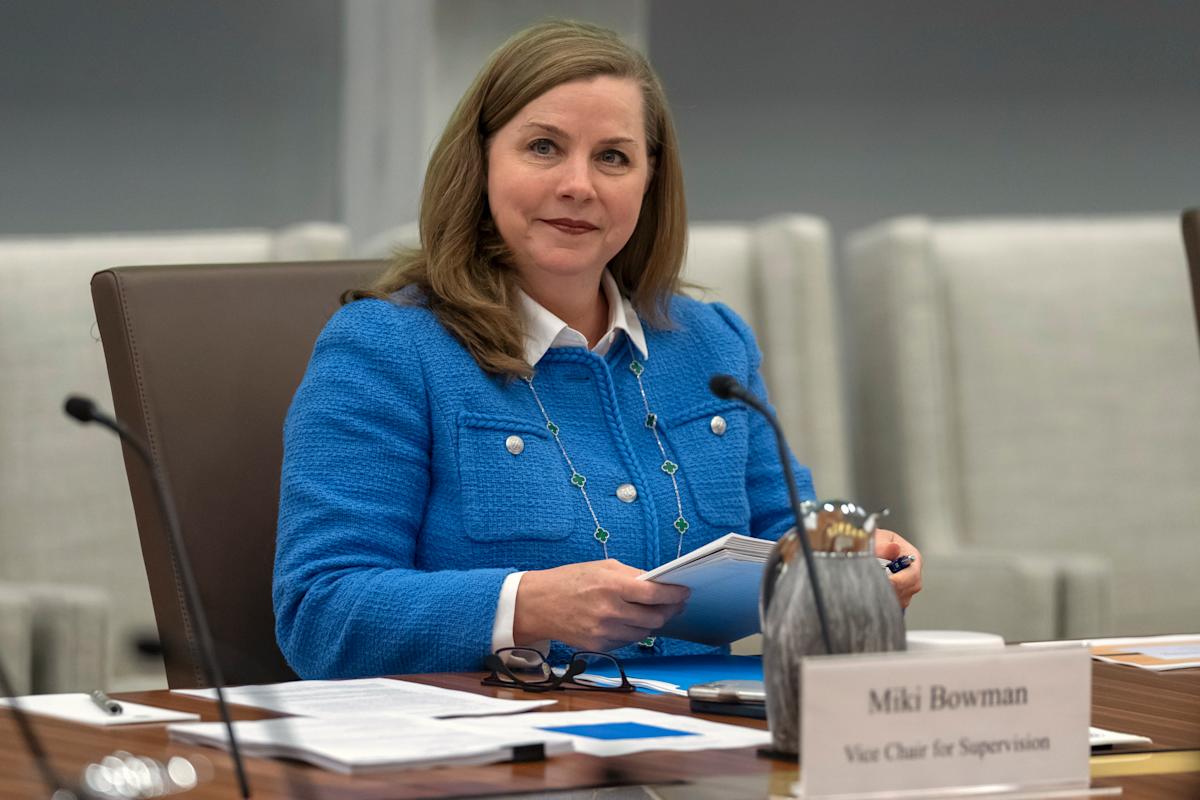
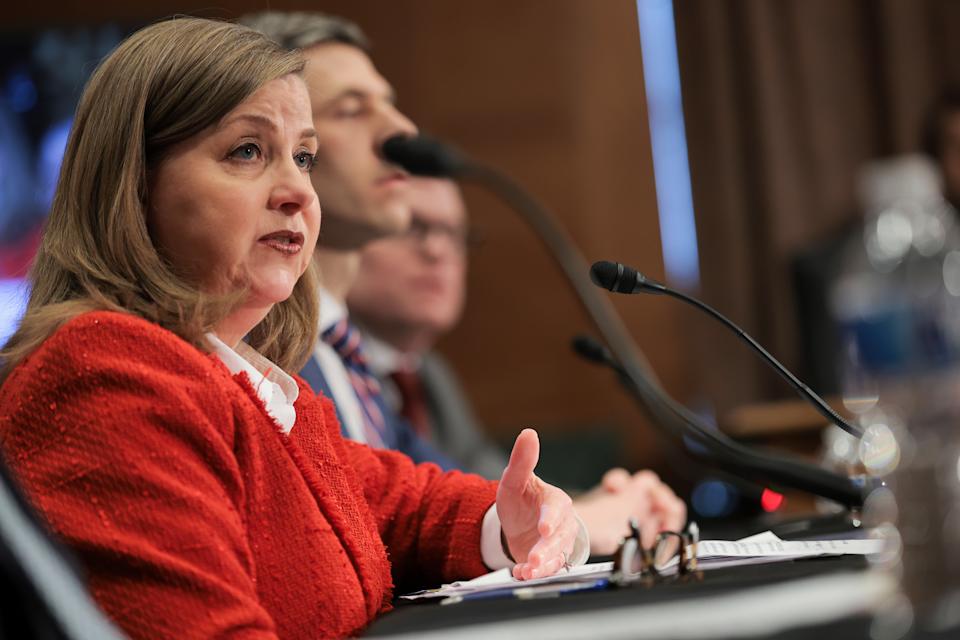
The Fed's top cop leading the overhaul, Fed Vice Chair of Supervision Michelle Bowman, said the proposal aims to better calibrate requirements based on risk and that the changes will continue to support the safety and soundness of the financial system.

"Calibration is important, however, over-calibration can harm bank competitiveness and the ability to serve customers, limit the availability of credit, and stifle economic growth," Bowman said.

The changes are part of a comprehensive review of capital requirements that the Fed has undertaken over the past nine months. That review included examining overlaps between the regulatory framework known as Basel III and stress testing to help ensure that, when combined, capital requirements appropriately capture risk rather than being overly punitive.

It's been nearly two decades since the 2008 financial crisis, and Fed Chair Jerome Powell has acknowledged that certain elements of the post-crisis regulatory regime may warrant recalibration.

"It is a healthy practice to reexamine rules over time to ensure they are still effectively and efficiently mitigating the risks they were designed to address," Powell said.

Following the 2008 financial crisis, regulators implemented reforms that substantially increased bank capital. While those initial capital buffers were necessary, Bowman noted, experience shows that overzealous requirements produced unintended consequences, including constraining credit availability, pushing banking activities into the less-regulated non-bank sector, while adding complexity and costs without meaningfully enhancing safety and soundness.

In the new regime, "banks would maintain their capacity to absorb losses while continuing to provide financial services to households and businesses across a wide range of economic conditions," Bowman said.

The proposals also aim to bring traditional lending — such as mortgage origination, mortgage servicing, and business lending — back into the regulated banking system. In recent years, those lending activities have migrated out of the banking system.

But not everyone on the Fed board backs the proposals. Fed Governor Michael Barr said, "These significant reductions in capital requirements are unnecessary and unwise. Today's proposals, if adopted, would harm the resilience of banks and the U.S. financial system."

Barr said that, when combined with the impact of previously proposed changes to the Fed's stress tests, the change for the largest banks amounts to 6%, or $60 billion.

Basel III, which has undergone many iterations, sets international standards and minimums for bank capital requirements. It was adopted in the aftermath of the 2008 financial crisis to fill in regulatory cracks and guard against another global financial calamity. It builds on global capital standards of Basel II, introduced in 2004, and Basel I, introduced in 1988.

The banking lobby, including the Bank Policy Institute, American Bankers Association, Consumer Bankers Association, Financial Services Forum, and National Bankers Association, in a joint statement on Thursday called the proposal "an important step forward" and said they will carefully review the details.

"We welcome regulators' efforts to enable banks of all sizes to make more loans to American businesses and households, fueling economic growth while maintaining resilience in the banking system," the groups said.

TD Cowen analyst Jaret Seiberg said he thinks the proposals could improve for banks through the notice and comment process.

"It is why we view these as floors on capital relief rather than ceilings," he said.

Comments on these proposals are due June 18.

Jennifer Schonberger is a veteran financial journalist covering markets, the economy, and investing. At Yahoo Finance she covers the Federal Reserve, Congress, the White House, the Treasury, the SEC, the economy, cryptocurrencies, and the intersection of Washington policy with finance. Follow her on X @Jenniferisms and on Instagram.

Click here for the latest economic news and indicators to help inform your investing decisions

Read the latest financial and business news from Yahoo Finance