yahoo Press
Inflation Is Raising New Concerns About Retirement Security
Images
1 / 5
2 / 5

3 / 5

4 / 5

5 / 5
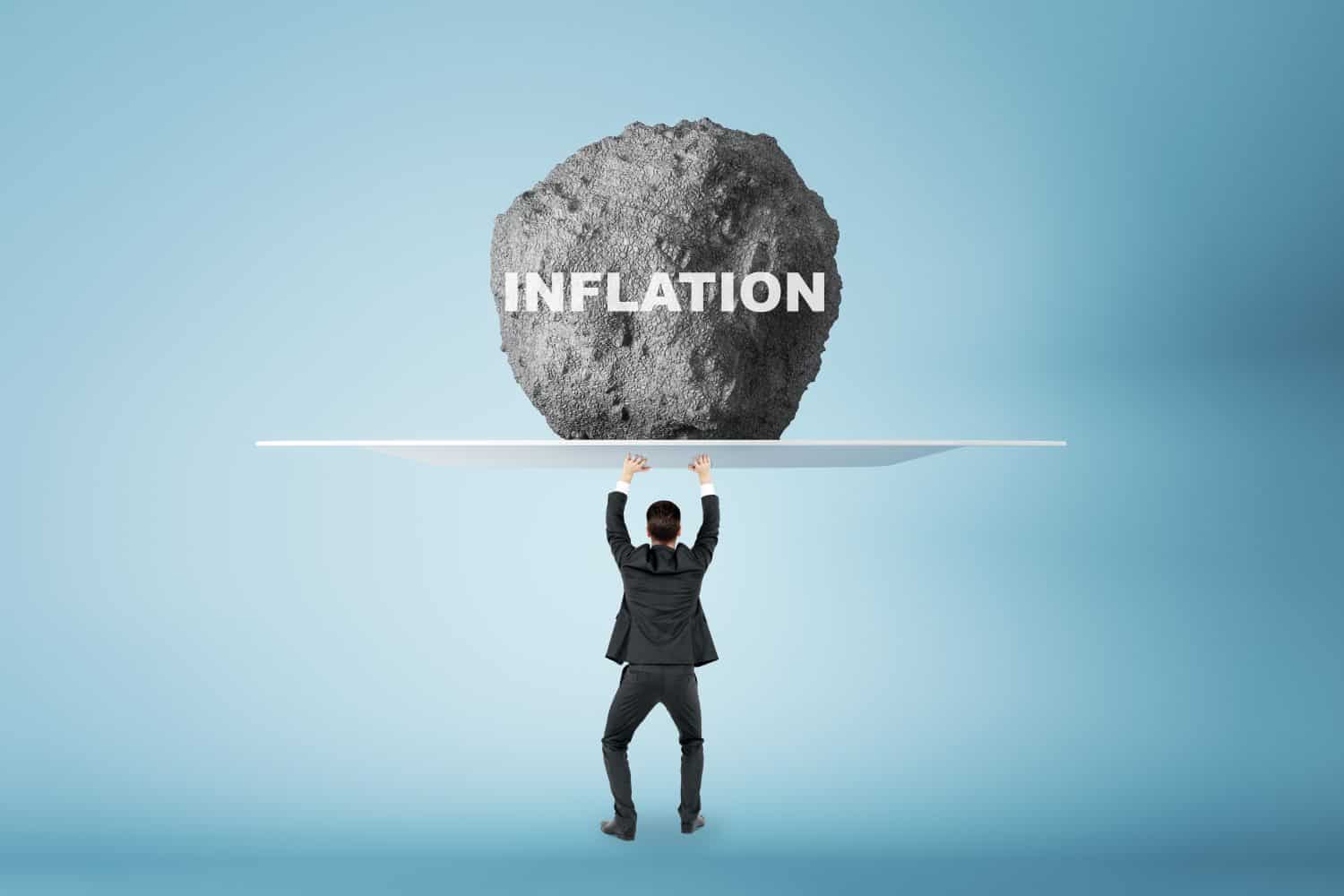
Retirees are worried about inflation eating away at their retirement portfolios.

Following these five strategies can help you stay ahead of inflation.

Learn about the power of downsizing and inflation-protected assets.

A recent study identified one single habit that doubled Americans’ retirement savings and moved retirement from dream, to reality. Read more here.

Rising prices have become more than just a short-term concern; they’re starting to majorly affect how workers think about their long-term financial future. As inflation continues to rise, many Americans worry that the savings they’ve spent years building may not stretch as far in retirement as they once thought. Even modest increases in everyday costs can add up across multiple spending categories over time, creating uncertainty for those trying to plan decades ahead.

This growing anxiety is leading workers to rethink everything related to retirement security, from how much they save to when they plan to retire. Some are adjusting their investment strategies, while others are considering working longer or cutting back on expenses. It's clear that inflation is becoming a main concern for a new generation of savers.

Read: Data Shows One Habit Doubles American’s Savings And Boosts Retirement

Most Americans drastically underestimate how much they need to retire and overestimate how prepared they are. But data shows that people with one habit have more than double the savings of those who don’t.

This post was updated on March 20, 2026.

It's good to check on your budget every few months to make sure it reflects your current habits. You can also modify your budget based on changes to your monthly income and expenses.

While you still need the essentials, you can combat inflation by reducing your discretionary purchases. A good way to approach discretionary spending is to delay any purchase by 30 days. If you still feel a need to make the purchase after 30 days, you may make the purchase. However, you may forget about other products you wanted to purchase before 30 days.

Real estate and stocks can go up in value during periods of rising inflation. However, you can get respectable protection and a lower potential downside with a high-yield savings account. Some of these accounts offer 4.00% APY. This will help preserve cash but may not outpace inflation (it also depends on your tax rates since interest is treated as ordinary income).

If you also tighten your budget so you can contribute more money to these assets, you will be in a better position.

Retirees who live in areas with high costs of living are the most vulnerable to inflation. That's because expenses are already high as it is, and any additional costs will put more pressure on a fixed budget.

One way you can get more mileage out of your retirement portfolio is by downsizing. Some people may move from a single-family house to a condo after the kids have moved out. You can also go to a different state that has a lower cost of living to save even more money.

You don't always have to travel to another state to enjoy a lower cost of living. If you live near a city, you may find affordable homes that are 2-3 hours away from that city. While the city is less accessible, you can save a lot of money by moving further away from it.

If you're interested in annuities, you may want to consider paying for a COLA rider. Most annuity COLA riders provide fixed increases (e.g., 2–3%) or capped inflation adjustments. However, they do not perfectly track inflation. Social Security paychecks have this feature built into them, allowing you to receive annual pay bumps.

People who are still planning their retirement shouldn't depend on Social Security. Approach your retirement planning as if your portfolio must do all of the work. However, retirees who lean on Social Security paychecks can find solace that they go up every year.

Returning to the workforce isn't an option for every retirees. With that said, people who are having a tough time keeping up with expenses may want to consider this option if it is viable.

Working part-time is more manageable than a full-time job and still gives you plenty of time to enjoy retirement. Furthermore, you will get to meet new people. A part-time job can give you a sense of purpose and combat social isolation. While tapping into these potential benefits, you'll also have more cash to cover monthly expenses and make your retirement smoother.

Most Americans drastically underestimate how much they need to retire and overestimate how prepared they are. But data shows that people with one habit have more than double the savings of those who don’t.

And no, it’s got nothing to do with increasing your income, savings, clipping coupons, or even cutting back on your lifestyle. It’s much more straightforward (and powerful) than any of that. Frankly, it’s shocking more people don’t adopt the habit given how easy it is.