Press
Five questions that need answering about the meningitis outbreak
Images
1 / 8

2 / 8
3 / 8

4 / 8
5 / 8
6 / 8
7 / 8

8 / 8
This week has shown how utterly devastating and shocking meningitis can be.

One day you can be incredibly fit and healthy with the world at your feet. Twenty-four hours later you can be in intensive care as bacteria invade the lining of your brain and poison your blood.

Bacterial meningitis has become rare in the UK, but occasionally there are small clusters reported.

In this instance, the first case was reported to the UK Health Security Agency (UKHSA) on 13 March and public warnings came out two days later, on Sunday night.

The size and speed of the outbreak, which has now affected 29 people, killing two of them, has been labelled "unprecedented".

After a week of reporting on the events, these are some of the questions I am still asking.

There were only two new cases reported on Friday - that does not mean we are past the peak of infections and there are likely to be more cases in the days to come.

But this is being seen as an encouraging sign.

The start of the outbreak was a super-spreader event - when an unusually large number of people are infected - at the nightclub Club Chemistry in Canterbury between 5 March and 7 March.

The incubation period, the time between infection and getting symptoms, is thought to be up to 10 days.

It means that, hopefully, there will not be many more cases linked to those nights in the club.

Around 10,000 people have been given antibiotics as part of the response, which should clear meningitis bacteria and stop those people becoming sick or spreading it further.

Will we start to see evidence the efforts to contain the spread are working, even though the long incubation period means it will take some time before anyone will declare this is over?

So far the confirmed and suspected cases all have a direct connection to Kent.

However, we have heard from some students who left university to go home when the news broke.

It is possible that somebody has the bacteria living harmlessly in their nose, but has travelled elsewhere in the country where they could pass it on to people they come into close contact with.

A huge tracing effort is underway and 10,000 potential close contacts have been identified.

Any new cases outside of Kent must not be confused with those unrelated to the outbreak, as there is roughly one case per day of invasive bacterial meningitis.

This has been in the minds of parents up and down the country.

Health Secretary Wes Streeting has asked the government's vaccine advisors to look again at the evidence.

There has never been an argument about whether the vaccine works - it does - it is about whether it is considered cost effective and a good use of NHS money.

It is a mathematical calculation that feels cold and distant from the pain felt by families devastated by meningitis.

The meningitis B (MenB) vaccine is expensive - around £220 if you pay for it privately.

When the Joint Committee on Vaccination and Immunisation looked at the evidence over a decade ago it concluded the MenB vaccine was cost effective in the most at risk group - babies and toddlers - but not in teenagers and young adults.

Will anything change in this review?

That will ultimately come down to whether the maths has shifted and whether something about the unprecedented nature of this wave in cases alters the calculations.

An initial genetic analysis of the bacterium causing the outbreak was concluded on Thursday.

It showed the bacteria are similar to ones that have been circulating in the UK since 2021 and that the vaccine should offer protection against it.

But more detailed analysis now needs to take place. Small mutations can have a big impact on the behaviour of the bacterium.

Experts will be working to establish whether something has changed that may make it more likely to spread or better able to invade the body or to get into brain tissues than other strains.

There is still something baffling about this outbreak.

Does the explanation for its scale and speed lie solely in the bacterium itself or did other factors play a role?

There has been a lot of chatter about sharing vapes in a packed nightclub. It is unhygienic, but there is no definitive proof it is responsible and is hardly unusual behaviour.

Did Covid lockdowns mean current teenagers and students have been exposed to fewer meningococcal bacteria (remember up to 25% of people in this age group have them harmlessly at the back of the nose or throat) in their lives, so had less immunity?

It has also been pointed out to me that a cloud of dust was swept up from the Saharan desert and blown over Europe and the UK with dates that match the start of the outbreak.

That kind of dust is known to irritate the airways making it easier for bacteria to go from harmlessly sitting there to invading the body. It is also responsible for the Meningitis Belt across Africa.

Are any of these a factor? Or could it be that there is no one single reason, but lots of small things added together?

The outbreak, which has killed two people, is thought to have originated at a Canterbury nightclub.

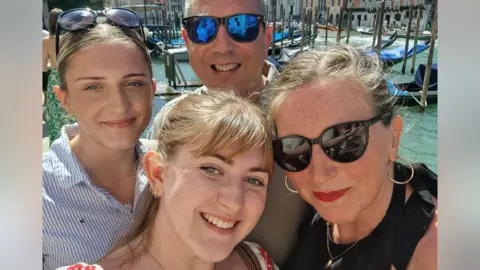
Juliette Kenny's father is urging the government to improve access to the MenB vaccine for young people at risk.

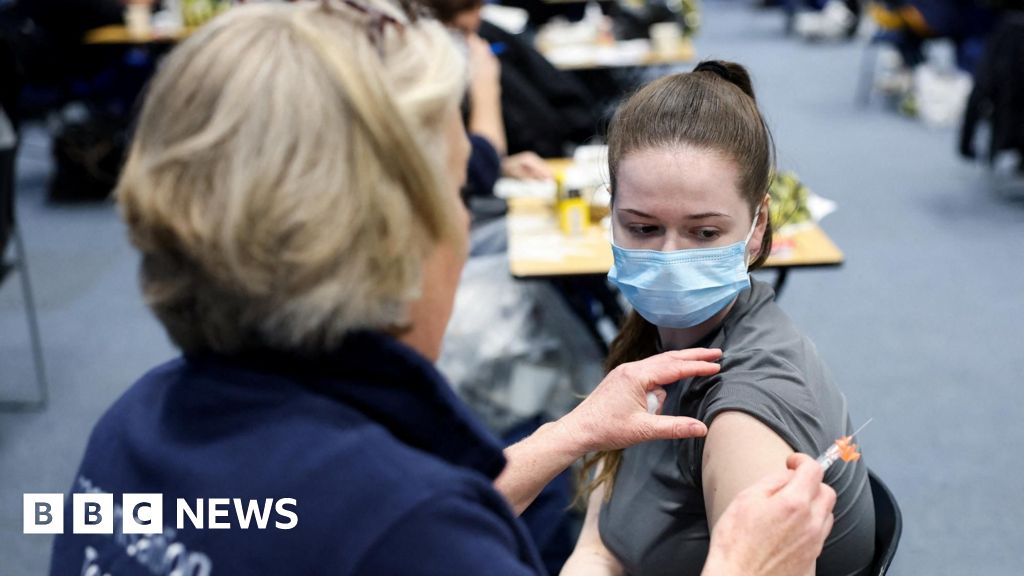
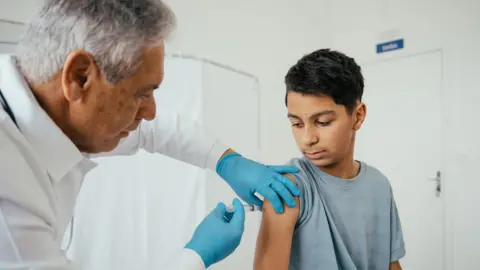
Students and older teens are not routinely vaccinated against the meningitis strain behind the Kent outbreak.

Two people have died following an "unpredecented" outbreak of meningitis in Kent.

Medical student Becca Heritage was diagnosed with Meningitis B during her first term at university.