yahoo Press
Student Loan Garnishment of Social Security Is Still Looming. Here Is Where Things Stand Now.
Images
1 / 5
2 / 5

3 / 5

4 / 5

5 / 5
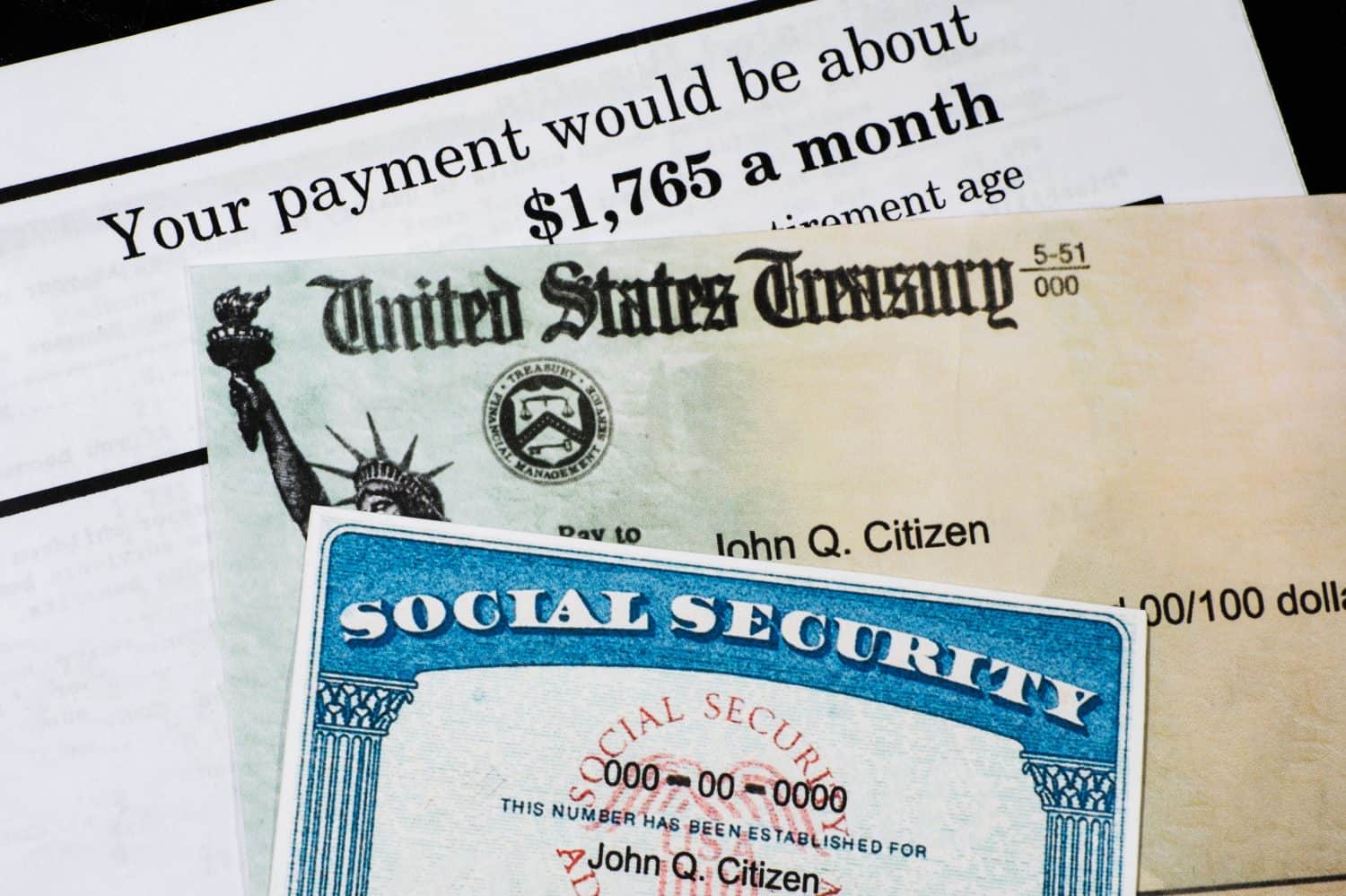
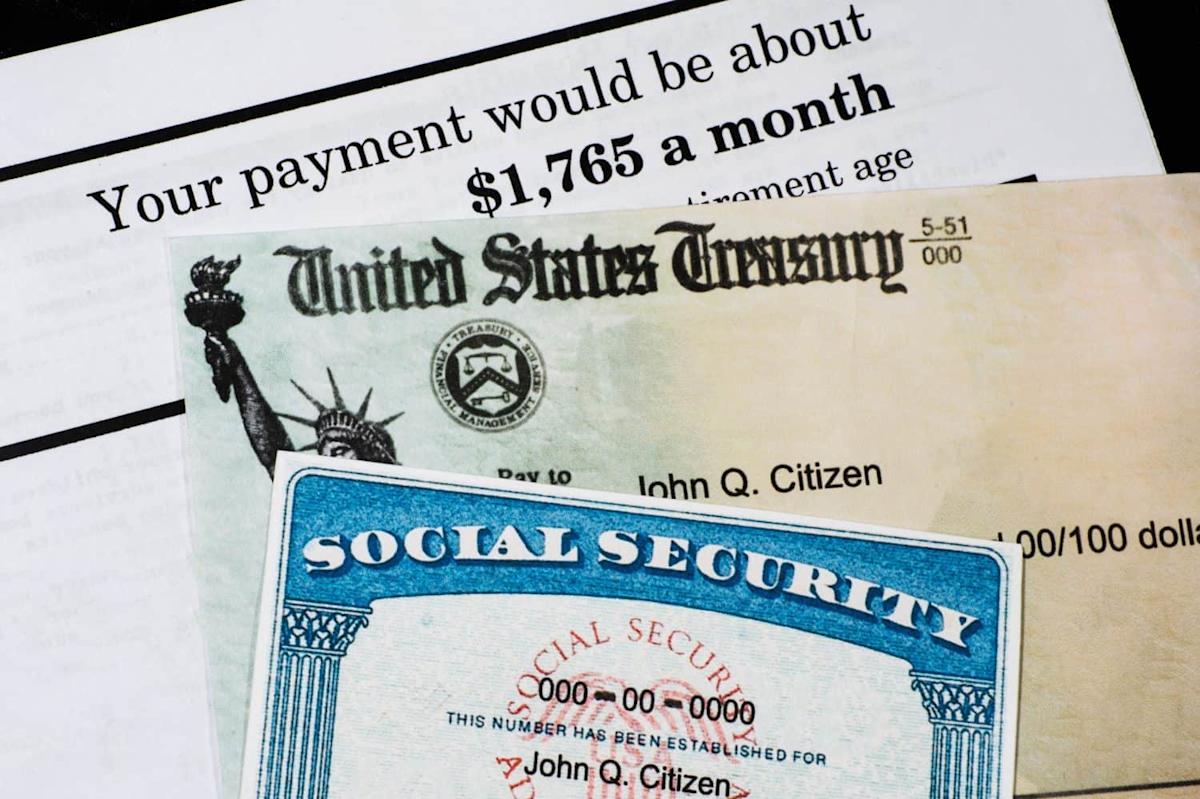
Social Security garnishments for federal student loan defaults are paused until July 2026, when the government can withhold up to 15% of monthly benefits (with a $750 minimum protection floor) from an estimated 452,000 recipients, many of whom are retirees living on fixed incomes.

Borrowers have until summer 2026 to pursue loan rehabilitation (nine on-time payments in ten months removes default status), file a Total and Permanent Disability discharge if eligible, or submit a financial hardship objection to prevent or reduce offsets.

If you're focused on picking the right stocks and ETFs you may be missing the bigger picture: retirement income. That is exactly what The Definitive Guide to Retirement Income was created to solve, and it's free today. Read more here

If you collect Social Security and you are behind on a federal student loan, the past year has been a slow-motion policy watch. As of March 2026: garnishment is still paused, but the clock is ticking toward a resumption date tied to a new repayment plan launching this summer.

Garnishment on Social Security benefits for delinquent student loans are set to begin this summer for anyone not enrolled in a RAP plan.

The Trump administration paused Social Security garnishments for delinquent federal student loan borrowers in summer 2025, calling it temporary. Then, in January 2026, the Department of Education paused again. On January 16, 2026, the department announced it would delay involuntary collections on federal student loans, including administrative wage garnishment and the Treasury Offset Program, which is the mechanism used to seize Social Security benefits.

Have You read The New Report Shaking Up Retirement Plans? Americans are answering three questions and many are realizing they can retire earlier than expected.

The reason cited was time needed to roll out a new repayment plan under the Working Families Tax Cuts Act, commonly called the "big beautiful bill." That plan, called RAP, is set to launch July 1, 2026. Once available, borrowers who do not enroll or resolve their default status could see collections resume. The Department of Education has not announced a firm restart date for Social Security offsets specifically, but July 2026 is the practical horizon.

The government can withhold up to 15% of your monthly Social Security benefit if you are in default on a federal student loan, but your monthly payment cannot fall below $750. That floor sounds protective, but for someone living on a modest fixed income, losing even a fraction of that check can mean choosing between groceries and utilities. For borrowers near the $750 threshold, the offset effectively wipes out any financial cushion they have built around their monthly benefit.


An estimated 452,000 Social Security recipients are currently in default on federal student loans and potentially subject to this offset when collections resume. Many are retirees who took out loans decades ago, saw their balances grow through interest, and now rely almost entirely on their monthly benefit to cover basic expenses.

Two legal paths can eliminate the garnishment risk entirely, not just delay it.

Total and Permanent Disability (TPD) Discharge: If you are totally and permanently disabled, you may qualify for a full discharge of your federal student loans through a TPD application at StudentAid.gov. Many retirees in their 70s and 80s qualify based on Social Security's own disability determinations. If the SSA has already deemed you disabled, the application process is relatively straightforward.

Financial Hardship Objection: Borrowers facing garnishment can file a financial hardship objection with the Department of Education, arguing that a 15% reduction would create extreme financial hardship. This can delay or reduce the offset, though it does not eliminate the underlying debt. It buys time and can result in reduced withholding.

The pause gives affected borrowers a window that did not exist six months ago. Start by checking whether you are actually in default at StudentAid.gov. If you are, loan rehabilitation is another option: making nine on-time payments over ten months removes the default status and stops garnishment eligibility entirely.

Once garnishment resumes, stopping it requires either a formal objection process or completing rehabilitation, both of which take time. The current pause is a rare opportunity to act before the pressure returns. Anyone in this situation should consider speaking with a nonprofit credit counselor or a student loan attorney, since the right path depends on your specific loan type, benefit amount, and health status.

You may think retirement is about picking the best stocks or ETFs and saving as much as possible, but you'd be wrong. After the release of a new retirement income report, wealthy Americans are rethinking their plans and realizing that even modest portfolios can be serious cash machines.

Many are even learning they can retire earlier than expected.

If you're thinking about retiring or know someone who is, take 5 minutes to learn more here.