yahoo Press
United Air Sees Risk of Surging Fuel Cost, Says Airline Is Ready
Images
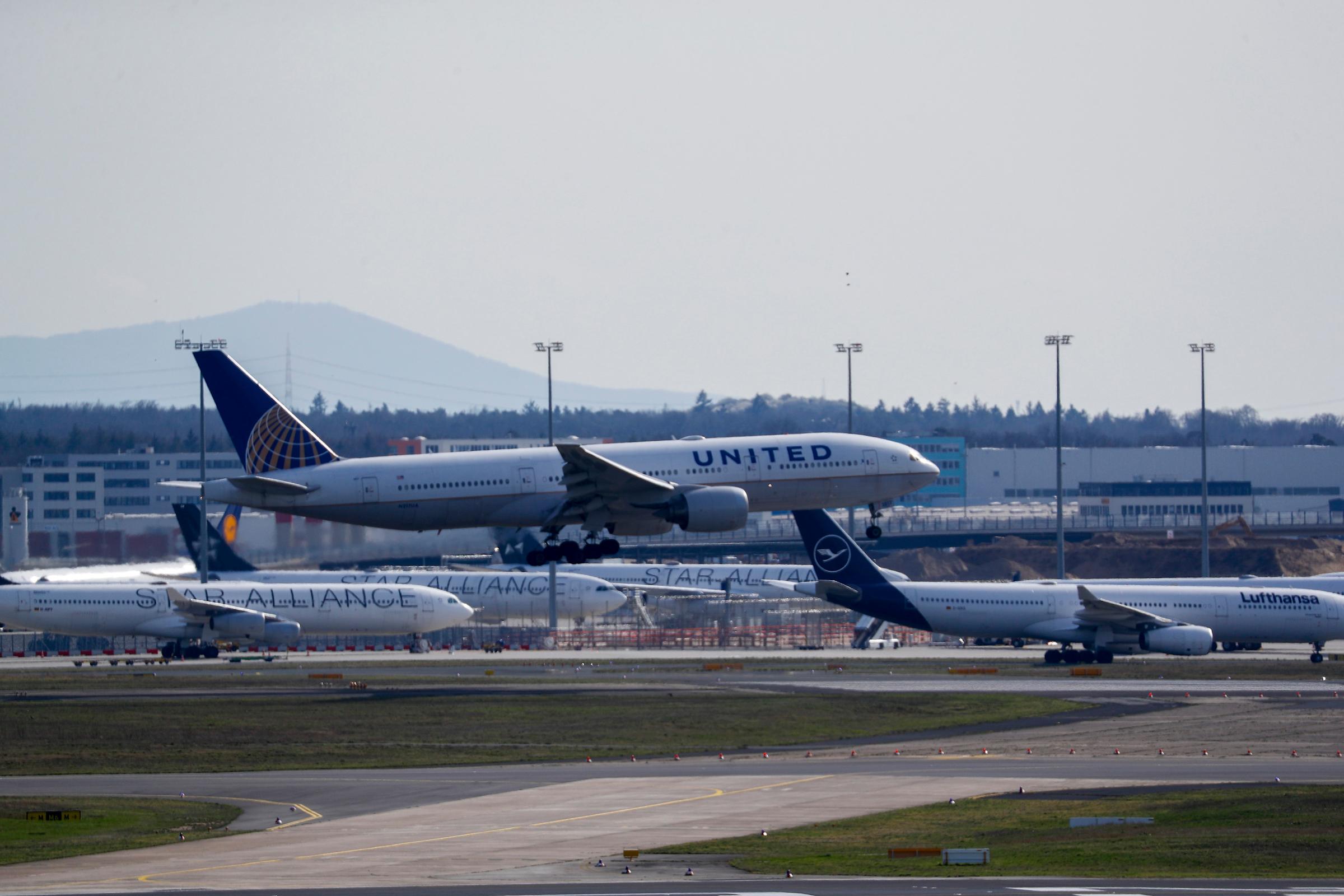
1 / 5
2 / 5

3 / 5

4 / 5
5 / 5
(Bloomberg) -- United Airlines Holdings Inc. Chief Executive Officer Scott Kirby warned of $175 oil prices that would dramatically drive up jet-fuel expenses, outlining worst-case scenarios even as the aviation industry benefits from current record travel demand.

The already elevated price of jet fuel is prompting the airline to cut 5 percentage points of capacity in the near term where routes are temporarily unprofitable, Kirby told staff in a memo late on Friday. At the same time, he said the carrier is strong enough to weather a crisis and won’t defer investments or furlough workers.

Most Read from Bloomberg

Iranian Navy Guided Indian Tanker Through Hormuz, Crew Member Says

Trump Gives Iran 48 Hours on Hormuz, Threatens Power Plants

Super Micro Co-Founder Charged With Smuggling, Departs Board

Iran Says Ready to Let Japan Vessels Use Hormuz, Kyodo Reports

Target Plans to Tighten Dress Code Rules for Store Employees

“The reality is, jet fuel prices have more than doubled in the last three weeks,” Kirby told employees in the memo. “If prices stayed at this level, it would mean an extra $11B in annual expense just for jet fuel. For perspective, in United’s best year ever, we made less than $5B.”

Airlines globally are grappling with a painful spike in oil prices. Major US carriers like United are not hedged on fuel, leaving them without protection from volatile price jumps. The broader industry has already responded with fare increases and fuel surcharge to claw back some of the elevated costs.

The messaging from Kirby to staff sought to outline his plan to ride out escalating costs that risk pushing some airlines to the edge of financial survival, and to deploy a tactical playbook to respond.

“We’re ready, we have a plan and we’re going to continue executing that plan,” Kirby said.

United, the largest airline in the world by capacity, said it is forecasting oil to stay above $100 a barrel until the end of 2027.

To rein in costs, the airline is canceling 3 percentage points of flying in off-peaks such as overnight, mid-week, and weekend flying in the second and third quarters, in what Kirby described as “tactically pruning” of the network. The war-related pause of the airline’s Tel Aviv and Dubai services amounts to another 1 point of capacity, and United will also take out one point from O’Hare airport in Chicago, he said.

The company will eventually restore the now-reduced capacity later this year, Kirby said.

The surge in expenses is being offset for now by travelers flocking to airlines to lock in cheaper tickets before fares invariably go up. United said it had the 10 biggest booked revenue weeks in its history in the past 10 weeks.

At the same time, passing through the elevated cost to consumers “may be a challenge” if oil prices stay higher for longer, the CEO said.

Rivals Delta Air Lines Inc. and American Airlines Group Inc. this week also reported a jump in revenue and a jump in fuel costs.

Kirby also hinted at seizing on changes in the competitive landscape, saying “this will be our opportunity down the road to buy assets.” and absorb network changes.

For its part, United will go ahead with expanding its fleet, taking delivery of about 120 aircraft this year, and another 130 jets by April 2028, Kirby said.

Most Read from Bloomberg Businessweek

American Retirees Want to Leave the Country. Italy and Costa Rica Are Happy to Have Them

Architect Bjarke Ingels Says Modern Buildings Are So Boring

Beware the Retirement Red Zone That Can Derail Your Savings Plan

Peter Attia’s Longevity Empire Rocked by Epstein Files

Why Diesel Prices Are the Real Concern for the Economy

©2026 Bloomberg L.P.