yahoo Press
'This happens all the time': TN couple hit twice by medical fraud — what to know about Medicare scams targeting retirees
Images
1 / 4
2 / 4

3 / 4

4 / 4
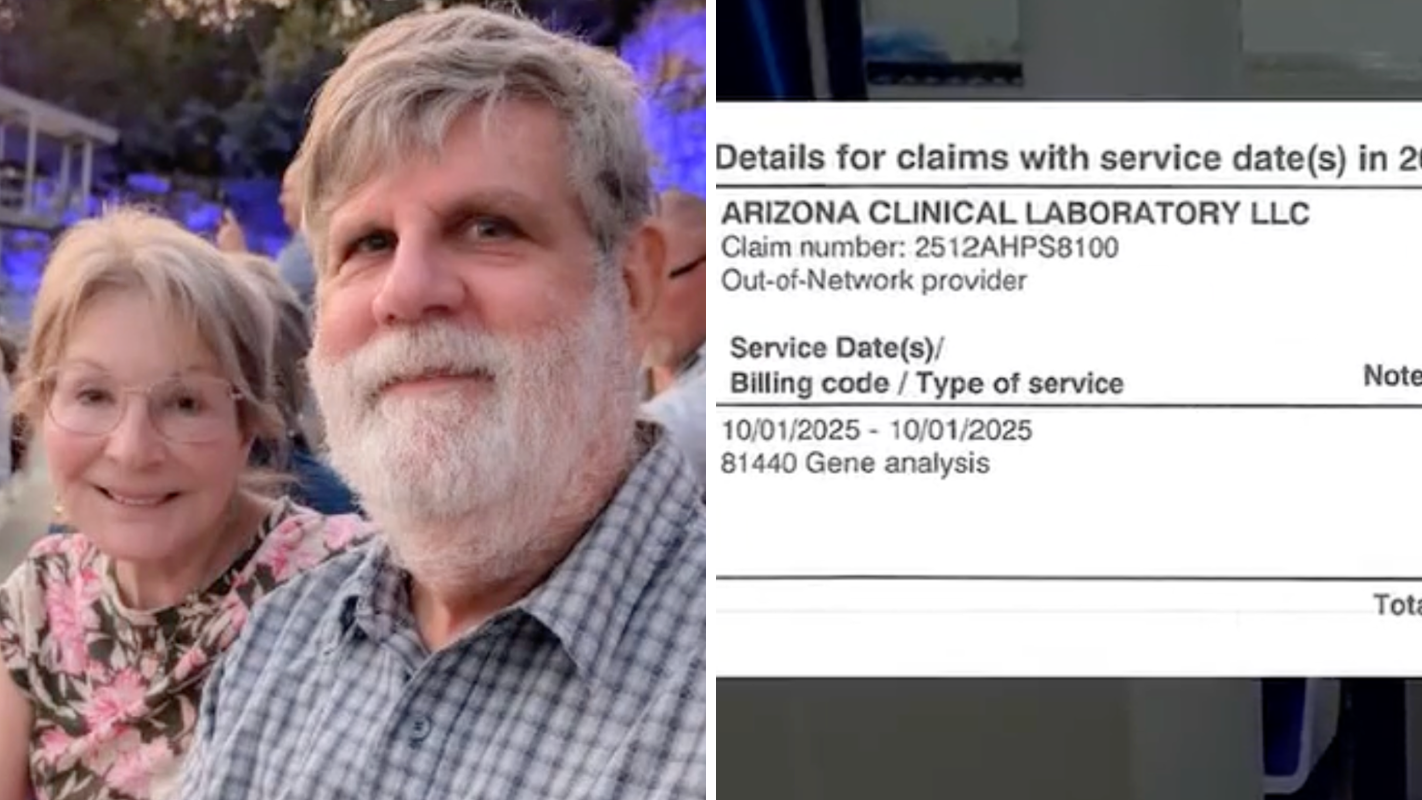
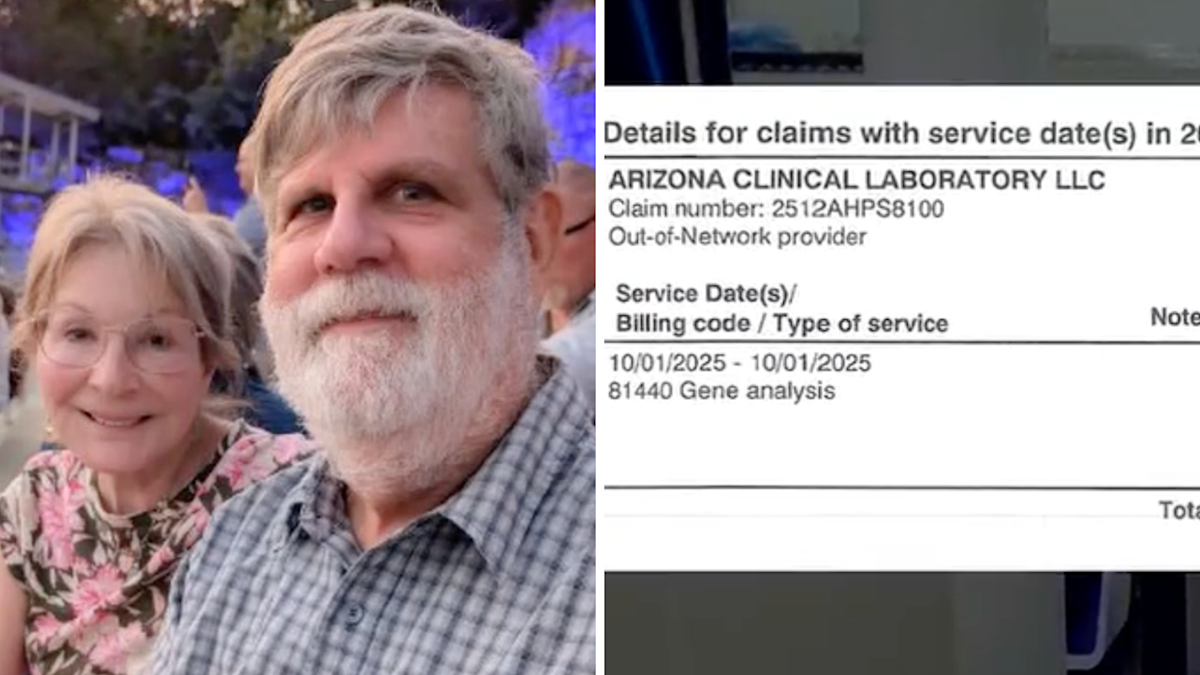
Doug Leins thought something was off when he opened his Explanation of Benefits (EOB). The west Nashville retiree and his wife had been billed through their Medicare supplemental insurance for genetic testing that neither of them had requested, nor had their doctor.

"We knew for a fact that we had never requested that and that our doctor had never requested that," Leins told WSMV4 (1). "This fraud is just so rampant."

Thanks to Jeff Bezos, you can now become a landlord for as little as $100 — and no, you don't have to deal with tenants or fix freezers. Here's how

Dave Ramsey warns nearly 50% of Americans are making 1 big Social Security mistake — here’s what it is and the simple steps to fix it ASAP

Turning 50 with $0 saved for retirement? Most people don’t realize they’re actually just entering their prime earning decade. Here are 6 ways to catch up fast

Then it got worse. When the couple reviewed both their EOBs, identical charges appeared on each — from two different clinical labs, one in Arizona and one in Utah. When they called both numbers, neither was in service.

And because their supplemental insurance paid out the fraudulent claims, those amounts now count against the couple's annual coverage totals — potentially leaving them with less coverage for legitimate medical needs for the rest of the year.

Leins also faces a potential $1,329 out-of-pocket bill for testing he never received.

The fraud didn't stop there. Unsolicited medical equipment — two knee braces and a back brace — arrived at their door without any order placed. When Leins contacted the shipping company to report it, the response was unsettling: "They said, you know, this happens all the time" (1).

The Leins are far from alone. In a separate WSMV4 investigation, College Grove retired nurse Penny Vaughan and her husband discovered their quarterly Medicare statements showed more than $11,000 billed for urinary catheters over five months that they didn't need or order (2).

"We did not need, did not buy, did not order," Vaughan said. "Three hundred a month would mean you were catheterizing yourself 10 times a day. Nobody does that” (2).

The billing originated from two medical equipment suppliers — one in Florida, one in Texas. The Texas company's managing member, Nika Machutadze, is a Russian citizen living in Austin who has since been federally indicted.

According to the criminal complaint, his company submitted claims to more than 221,000 Medicare beneficiaries nationwide, billing the federal program more than $3 billion.

But how did criminals get Tennessee residents' Medicare information? A letter Vaughan received from a billing service that works with healthcare providers flagged a potential data breach that may have exposed Medicare beneficiary identifiers.

Brandy Bauer of Senior Medicare Patrol told WSMV4 that Medicare simply can't monitor all 68 million of its enrollees in real time: "They're going to sort of take the benefit of the doubt and go ahead and try and pay those claims until you realize, wait a second, I don't need those supplies” (2).

Read More: 5 essential money moves to make once you’ve saved $50,000

Read More: Young millionaires are ditching stocks. Why older Americans should take note

Medicare fraud is a federal crime, and Medicare recipients are a primary target. Here's what Medicare advises to keep your coverage and identity protected (3):

Guard your Medicare number like a credit card. Never share your Medicare number, Social Security number or other personal information with anyone who calls you unsolicited. Medicare will never call you to visit or sell you anything and will only ask for personal information in limited, specific circumstances.

Review your statements every quarter. Compare your Medicare Summary Notice or Explanation of Benefits against your own calendar of care (4). Look for services you didn't receive, providers you don't recognize or equipment you never ordered. Errors in dates, diagnoses or billing codes are all red flags.

Never exchange your Medicare number for gifts, money or free services. If anyone offers free medical equipment, testing or telehealth consultations in exchange for your Medicare number, refuse and report it.

Hang up on suspicious callers. If someone calls demanding personal information, threatening to cancel your benefits or pressuring you to act quickly, hang up immediately and call 1-800-MEDICARE (1-800-633-4227).

And if you think you've already been targeted, act quickly by calling 1-800-MEDICARE to report suspected fraud. You can also report it to the Department of Health and Human Services Office of the Inspector General at 1-800-HHS-TIPS (1-800-447-8477) or online at tips.oig.hhs.gov (4).

Robert Kiyosaki begs investors not to miss this ‘explosion’ — says this 1 asset will surge 400% in a year

Vanguard reveals what could be coming for U.S. stocks, and it’s raising alarm bells for retirees. Here’s why and how to protect yourself

This 20-year-old lotto winner refused $1M in cash and chose $1,000/week for life. Now she’s getting slammed for it. Which option would you pick?

Taxes are going to change for retirees under Trump’s ‘big beautiful bill’ — here are 4 reasons you can’t afford to waste time

Join 250,000+ readers and get Moneywise’s best stories and exclusive interviews first — clear insights curated and delivered weekly. Subscribe now.

We rely only on vetted sources and credible third-party reporting. For details, see our editorial ethics and guidelines.

WSMV4 (1), (2); Medicare (3), (4)

This article provides information only and should not be construed as advice. It is provided without warranty of any kind.