huffpost Press
Samuel Alito Makes Spectacularly Dumb Argument Against Mail-In Ballots
Images
1 / 8

2 / 8
3 / 8
4 / 8
5 / 8
6 / 8

7 / 8

8 / 8
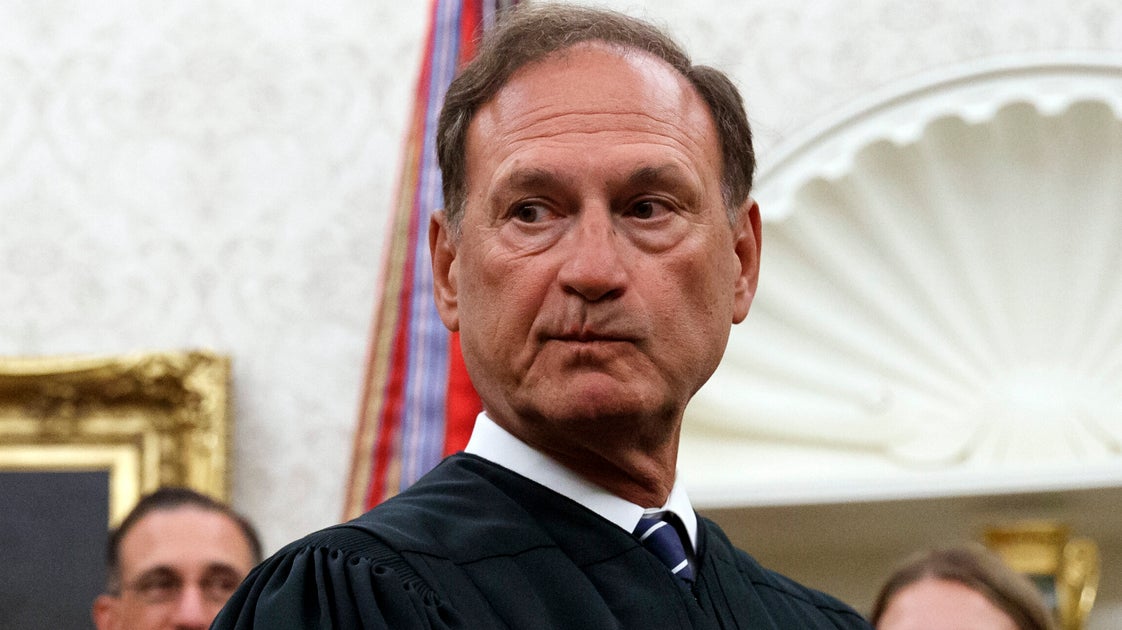
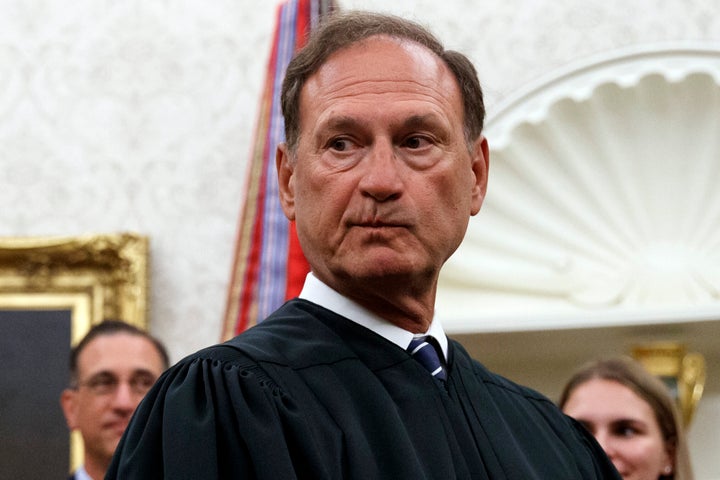
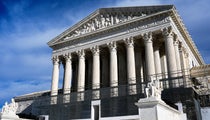
The legality of counting late-arriving mail-in ballots may hinge on something as trivial as a holiday’s name, at least if you ask Justice Samuel Alito.

The Supreme Court justice expressed skepticism Monday about accepting mail-in ballots received after the official date of an election, even if they’re postmarked on or before, because doing so would violate the name “Election Day.”

“If I have nothing more to look at than the phrase ‘Election Day,’ I think this is the day in which everything is going to take place, or almost everything,” he said in oral arguments examining the legality of a Mississippi law that allows late-arriving mail-in ballots in federal elections.

Alito: "We have lots of phrases that involve two words, the second of which is 'day.' Labor Day, Memorial Day, George Washington's birthday, Independence Day, birthday, and Election Day. They are all particular days. So if we start with that, if I have nothing more to look at… pic.twitter.com/DaBzSxjI7M

About 30 states and Washington, D.C., accept at least some ballots that are postmarked on or before Election Day but received afterward.

Republicans in Watson v. Republican National Committee are challenging Mississippi’s law, which allows a five-day grace period for ballots received after Election Day. Though it’s a state law, it could change voting rules nationwide if struck down.

Thus far, the court’s conservative justices — who make up the majority — appear skeptical about the law’s legality.

Among the other concerns the justices raised, Alito and Justice Brett Kavanaugh both questioned whether including late-arriving ballots could increase public distrust if the ballots change the results in a way the public wasn’t expecting.

“If the apparent winner the morning after the election ends up losing due to late-arriving ballots, charges of a rigged election could explode,” said Kavanaugh, according to CNN.

President Donald Trump has demanded an end to mail-in voting nationwide ahead of the November midterm elections, arguing — without supporting evidence — that the practice leads to widespread voter fraud.

Drawing a hard line in the sand, he earlier this month threatened to not sign any legislation into law until Congress passes a bill that outlaws voting by mail and requires proof of citizenship for voting.

By entering your email and clicking Sign Up, you're agreeing to let us send you customized marketing messages about us and our advertising partners. You are also agreeing to our Terms of Service and Privacy Policy.