Press
‘Unprecedented’: Israel, US carry out extensive strikes across Iran
Images
1 / 6
2 / 6
3 / 6
4 / 6

5 / 6

6 / 6
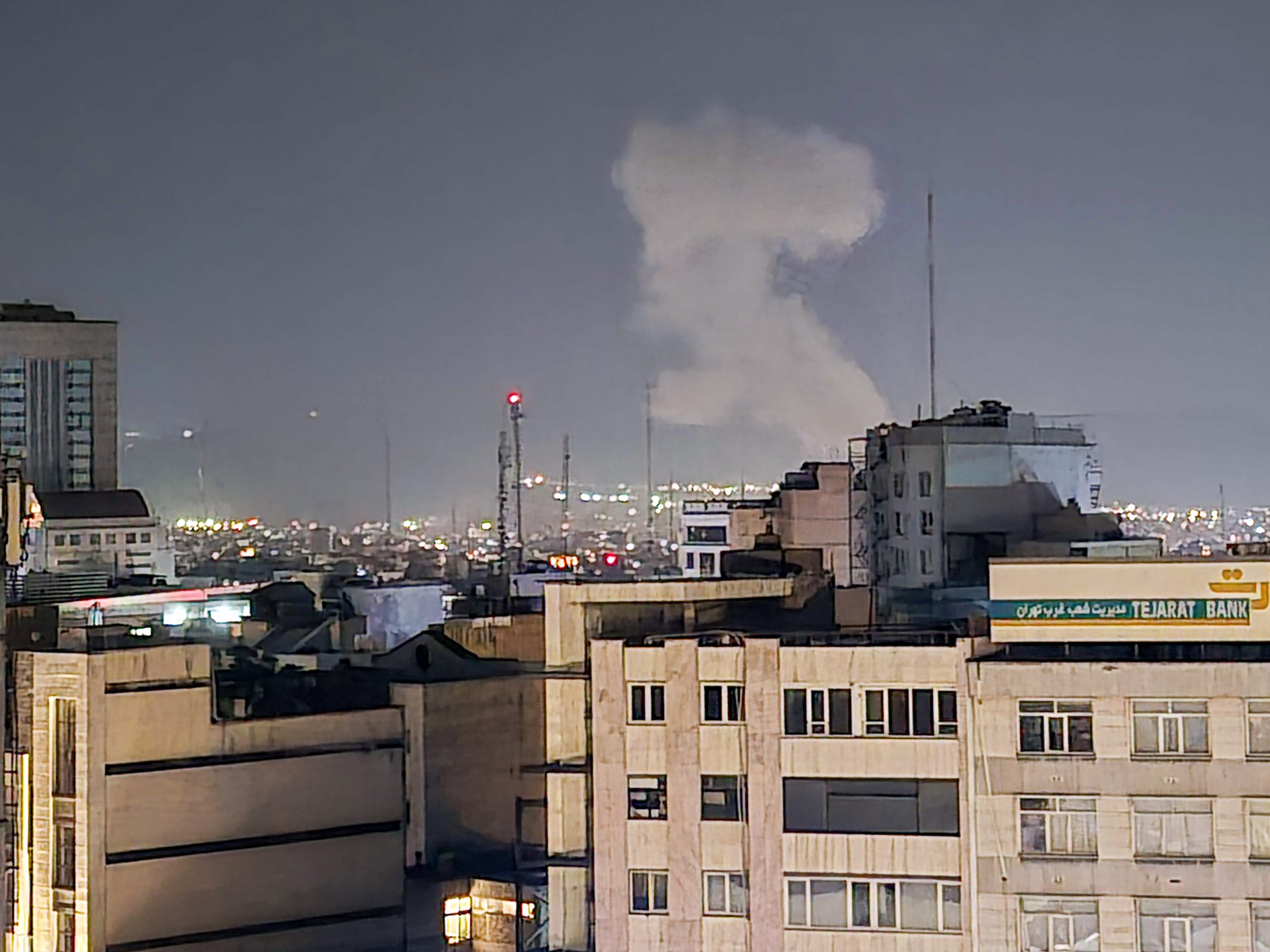
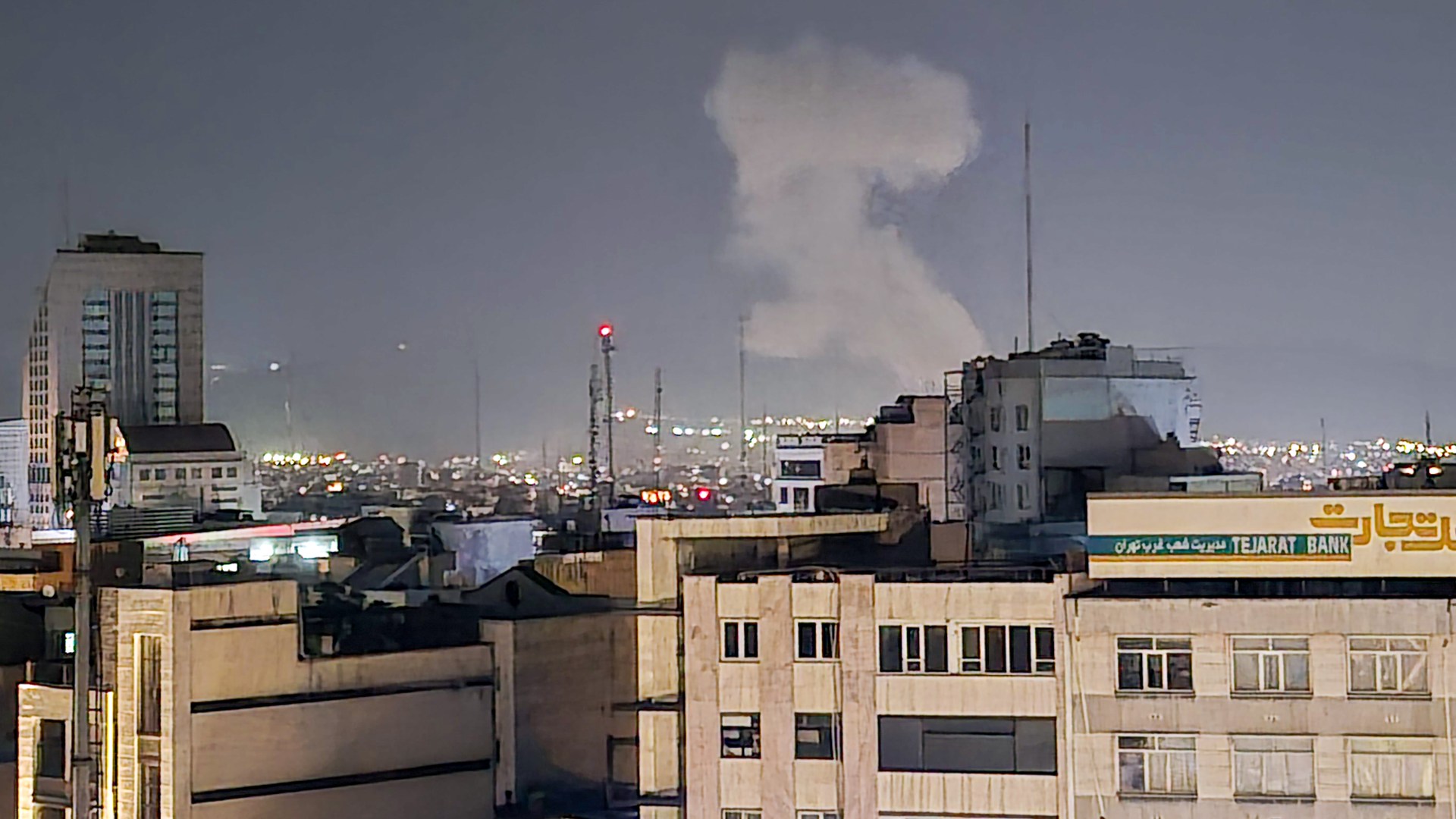
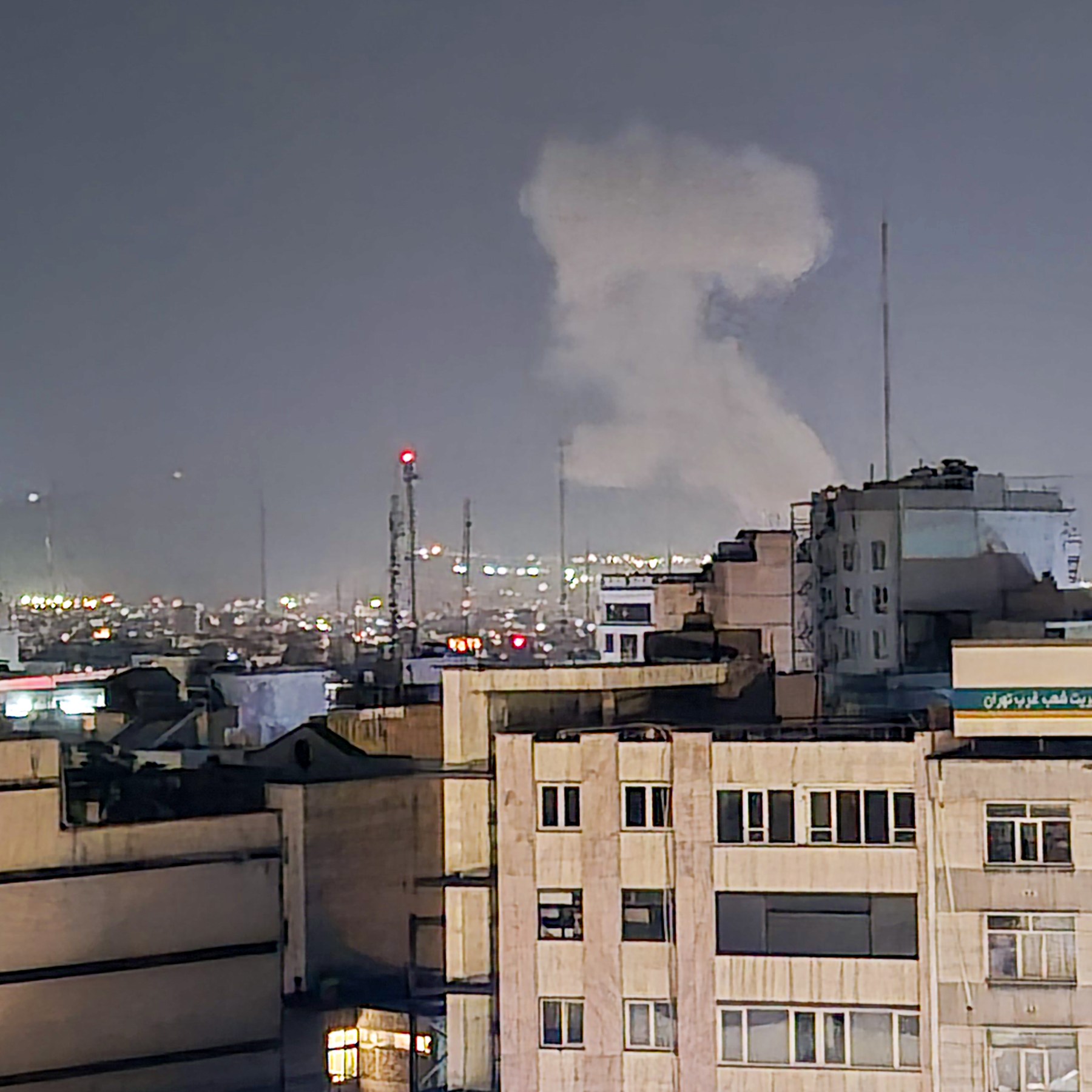
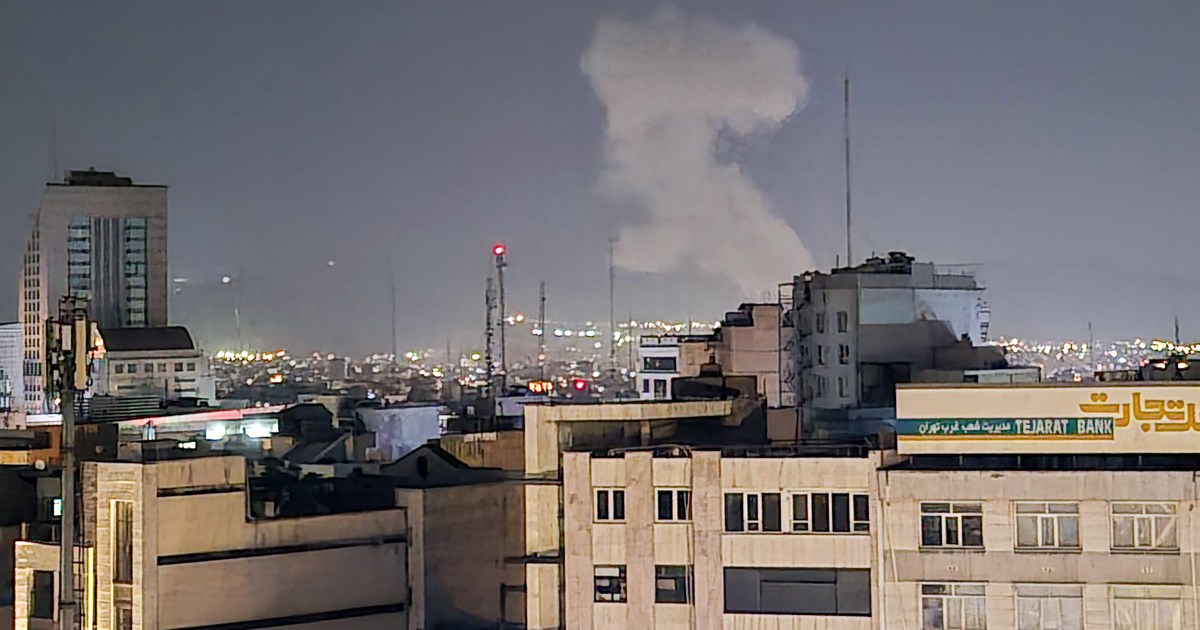
Tehran is hit by ‘a wide-scale wave of strikes’ as US President Donald Trump extends deadline for Iran to reopen Strait of Hormuz. Save Share Israel and the United States have launched a new wave of attacks against Iran as Tehran has renewed its strikes on its Gulf neighbours and pledged to hit power plants in Israel and other countries in the region if its power plants are targeted. The Israeli military said on Monday that it had “begun a wide-scale wave of strikes” on infrastructure targets in Tehran without elaborating. The head of the US military’s Central Command (CENTCOM), Admiral Brad Cooper, accused Iran in an interview of launching missiles and drones from populated areas, suggesting those areas would be targeted. He provided no proof for the claims. The US military said it targeted a turbine engine production site in north-central Iran’s Qom province used for drone and aircraft components linked to the Islamic Revolutionary Guard Corps (IRGC). Al Jazeera Arabic’s correspondent in Tehran, Suhaib al-Asa, reported that the size and volume of the explosions in the Iranian capital were “unprecedented”, especially on the eastern side of the city. Iranian air defence systems were activated in the eastern part of the city, al-Asa said, indicating Iran was responding to US-Israeli drones hovering over that part of the city. Iran’s Fars news agency reported that a strike on a residential building in the city of Khorramabad, west of Tehran, killed one child and wounded several people. At least six people were killed in strikes on homes in Tabriz city, according to Fars. Majid Farshi, the director general of crisis management for Iran’s East Azerbaijan province, said there were two deadly attacks in Tabriz. Al Jazeera’s Tohid Asadi, reporting from Tehran, said there were reports of explosions in many other cities. “One person was killed after a radio station was targeted in Bandar Abbas. In Isfahan, Karaj and Ahvaz too, sounds of massive explosions were heard. In Ahvaz, we are hearing that one hospital was impacted as a result of the explosions,” he said. “All in all, the Iranian Red Crescent Society has said more than 80,000 civilian [building] units have been hit, with some of them fully demolished. Of course, that number includes hospitals, schools, academic institutions and Red Crescent facilities.” Meanwhile in Israel, Iranian missile strikes continued overnight with falling shrapnel reported across several locations in southern and central Israel. “In the past hour, sirens have blasted in northern Israel in what Israeli authorities believe to be a joint attack from Hezbollah and Iran targeting northern Israel at the same time,” Al Jazeera’s Nida Ibrahim said. “The concern in Israel is that the US might stop the war prematurely – reason why Israeli officials continue to send messages that they will continue to crack down more on Iran and that the fighting with Hezbollah is just at the start,” Ibrahim, reporting from the occupied West Bank, said. The latest wave of strikes came the same day that US President Donald Trump extended the deadline he had given Iran to reopen the Strait of Hormuz, saying he would hold off on striking Iranian power plants for five days. He made the announcement in a post on his Truth Social platform hours before the deadline, writing in all caps that Iran and the US had “very good and productive conversations” that will continue “throughout the week” and could lead to “a complete and total resolution” to the war. On Saturday, Trump had given Iran a 48-hour ultimatum to open the strait to all ships, threatening otherwise to “obliterate” Iran’s power plants. Tehran said it would completely close the strait, through which one-fifth of global oil supplies pass, in retaliation. The IRGC on Monday responded that if the US did that, it would hit power plants in all areas that supply electricity to US bases “as well as the economic, industrial and energy infrastructures in which Americans have shares”. “Do not doubt that we will do this,” the IRGC said in a statement read on Iranian state television. It stressed its determination to respond to any threat at the same level and noted that the US underestimates its capabilities. The country’s Defence Council said an attack on Iran’s southern coast and islands would lead to Gulf routes being cut off with the laying of sea mines, according to state media. “In this case, the entire Gulf will practically be in a situation similar to the Strait of Hormuz for a long time,” it said. Iran’s death toll in the war has surpassed 1,500, its Ministry of Health said. In Israel, 15 people have been killed by Iranian attacks. The prospect of tit-for-tat attacks on civilian infrastructure further unsettled oil markets with prices choppy as Asian trading opened. Fatih Birol, the head of the International Energy Agency, on Monday warned that the situation in the Middle East is “very severe” and is worse than the two energy crises of the 1970s put together. Meanwhile, an Indian national living in the United Arab Emirates was injured by falling shrapnel after the interception of a ballistic missile over an industrial area near al-Dhafra airbase in Abu Dhabi, authorities said on Monday. A spokesperson for the IRGC’s Khatam al-Anbiya headquarters said its forces attacked Prince Sultan Air Base in Saudi Arabia and the US Fifth Fleet in Bahrain, using missiles and drones. Warning sirens sounded in Bahrain and Kuwait while Saudi Arabia’s Ministry of Defence said its forces intercepted a missile targeting Riyadh and destroyed drones over the kingdom’s oil-rich Eastern Province.