yahoo Press
Why an Oil Export Ban Could Backfire on Fuel Prices
Images
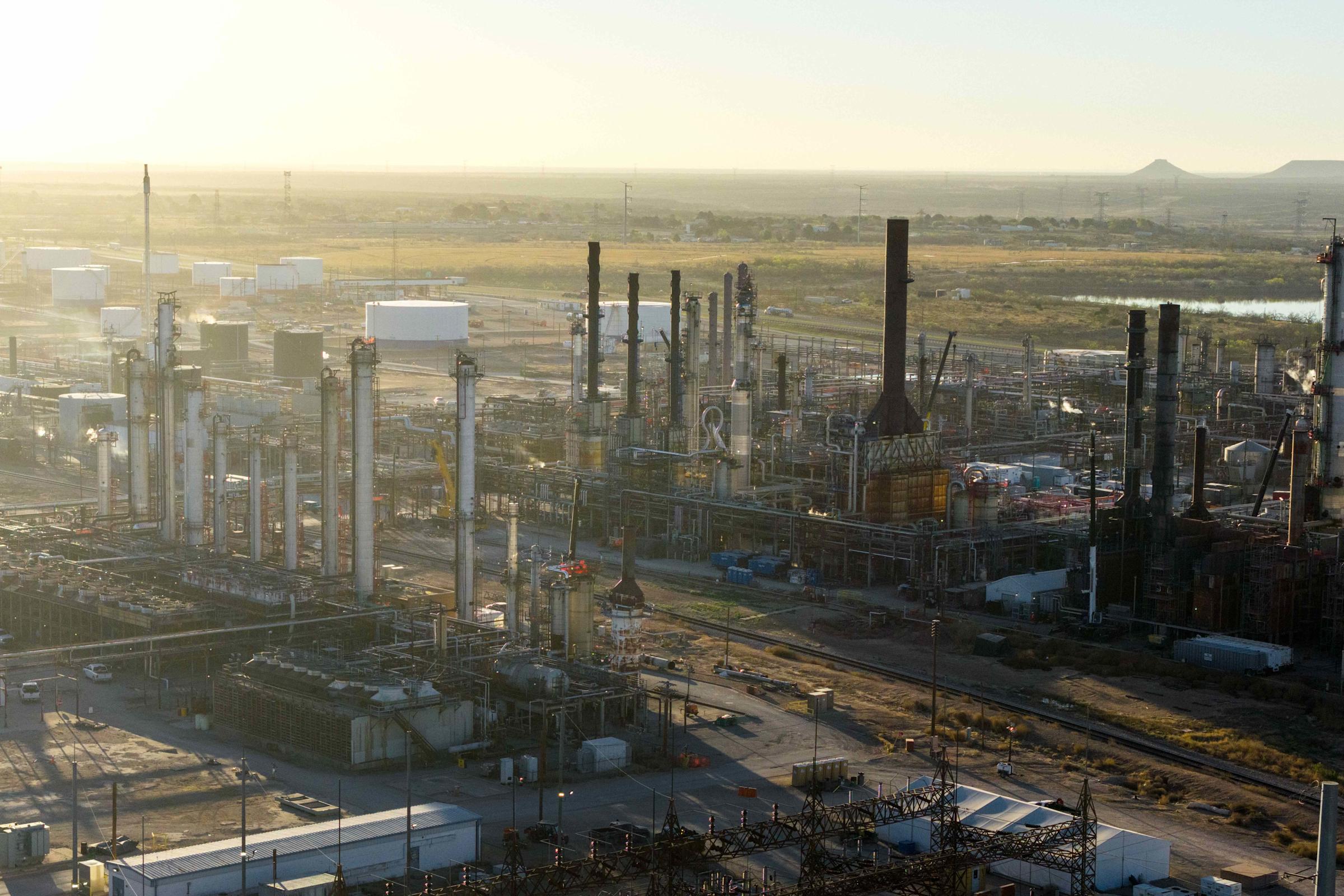
1 / 4
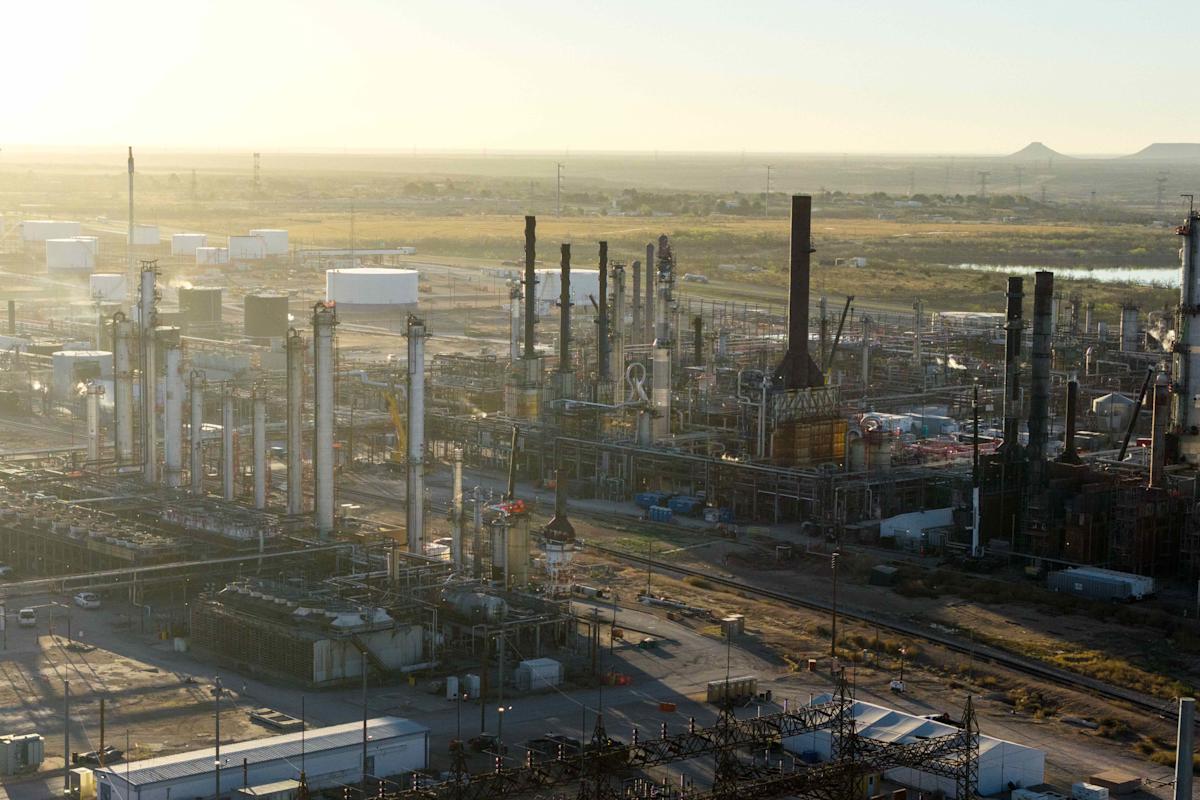
2 / 4

3 / 4

4 / 4
As gas prices spike, the U.S. could try to push them back down by banning crude oil exports.

Such a policy was tried before in the 1970s when the U.S. faced an oil embargo from OPEC, and the ban was only lifted in 2015.

Experts say gas prices would probably not fall if exports were banned and could even increase in the long run.

The U.S. produces all the crude oil it needs to power its economy. Could we solve the current energy crisis simply by keeping it all for ourselves?

Skyrocketing oil and gasoline prices brought on by the Iran War have prompted talk of resurrecting America’s oil export ban in a bid to push prices down. Although it may seem logical, experts say the policy would be unlikely to lower pump prices.

An export ban would be an attempt to mitigate the harsh economic consequences of the attack on Iran. U.S. gasoline prices have risen by more than a dollar a gallon on average, and diesel fuel even more so. The price hikes are bound to ripple through the economy, stoking inflation and slowing down economic growth, the longer the war continues, according to economic forecasts.

The idea of an export ban makes a certain kind of sense: by restricting oil companies from selling their products overseas, they’d have no choice but to sell to the domestic market, reducing competition and keeping oil prices down.

With an export ban unlikely to help with prices, the U.S. economy is in for a bout of higher inflation and slower growth unless the war ends soon.

After all, that’s exactly what the government did in 1975 in the wake of a 1973 oil embargo, which had sent prices soaring and caused widespread shortages, wreaking havoc on the economy. The export ban lasted 40 years and was only lifted by President Barack Obama in 2015.

The White House reportedly told oil executives last week that an export ban was off the table.

Cheaper oil would not necessarily lead to cheaper fuel, Jason Bordoff, director of the Center on Global Energy Policy, argues.

One of the major problems is that U.S. refineries are mainly set up to process heavy, sour crude oil–that is, oil that contains a lot of sulfur. By contrast, crude oil from the U.S. is "lighter and sweeter" with less sulfur and is better suited for refineries overseas, Bordoff wrote.

"Lower domestic crude prices would not translate into comparable reductions in gasoline or diesel prices, which are set in global markets," he wrote. "Instead, such restrictions would introduce inefficiencies that could ultimately raise costs."

In the long run, the oil ban would discourage domestic oil production, further driving up prices, Bordoff contends.

The idea of renewing the export ban came up in 2022 when Russia’s invasion of Ukraine sent energy prices soaring. At the time, economists at the Federal Reserve Bank of Dallas concluded that the ban would not reduce gas prices, citing the same refining issues Bordoff raised.

With an export ban unlikely to help, the government has few tools available to cut gas prices. Releases from the Strategic Oil Reserve can help, but only temporarily. The only hope for lower prices in the near future is a resumption of traffic through the Strait of Hormuz, analysts said.

"The Iranians’ strategy is still to choke traffic going through it, with their demands lofty and unlikely to be satisfied," Kyle Rodda, senior financial market analyst at Capital.com, wrote in a commentary. "That means global energy markets are still disrupted and liable to create both inflationary and downside growth risks. As a result, the U.S.'s priority remains reopening the strait, whether that be via the military or diplomacy. Until that’s achieved, the so-called war trades are likely to continue."

Even in a scenario where the war ends in six weeks, oil prices are likely to stay high for years to come, economists at Goldman Sachs said Monday. Oil will sell from $75 to $80 a barrel through 2027, they said, upwardly revising earlier forecasts. Those prices, which were below $70 before the war, will be higher if the conflict continues beyond the projected six weeks.

Read the original article on Investopedia