yahoo Press
Gas Crisis Dwarfs Oil Shock as LNG Supply Breaks
Images
1 / 4
2 / 4

3 / 4

4 / 4
Until less than a month ago, most energy analysts were warning about a glut in oil and a likely glut in LNG as new capacity came online in the United States. Glut was the word that described global energy market fundamentals. Then the U.S. and Israeli strikes on Iran on February 28 changed everything, and now everyone is warning of shortages. Oil shortages are already emerging in some parts of the world, but the bigger and worse shortage is in natural gas.

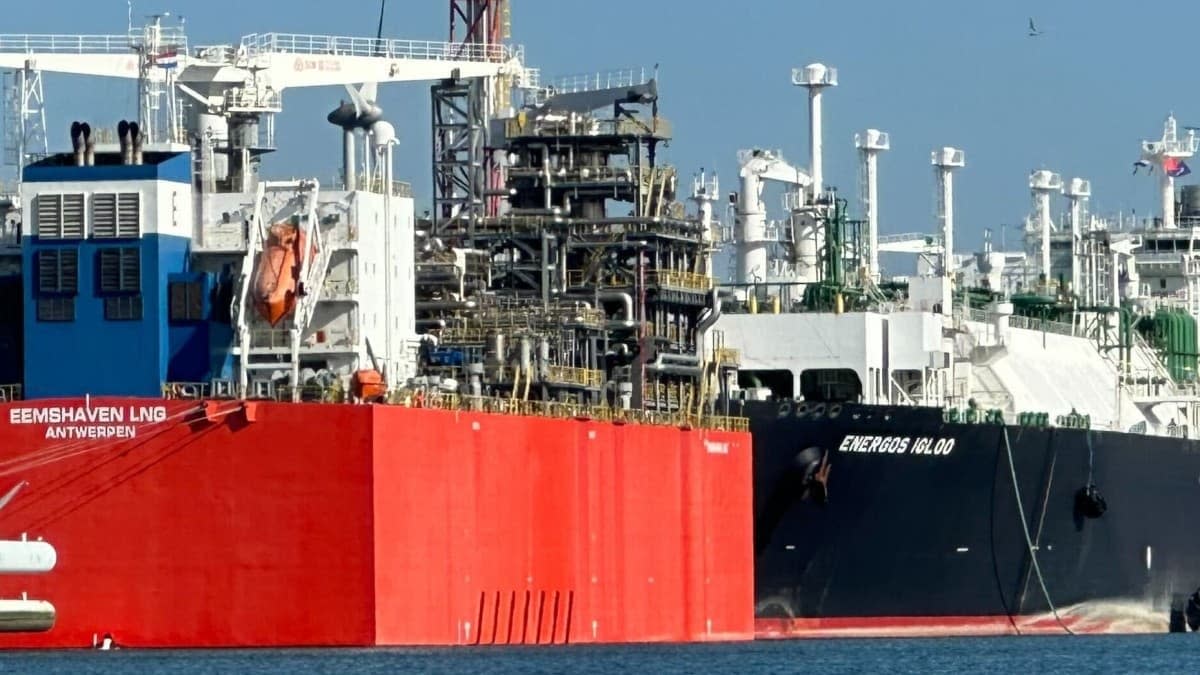
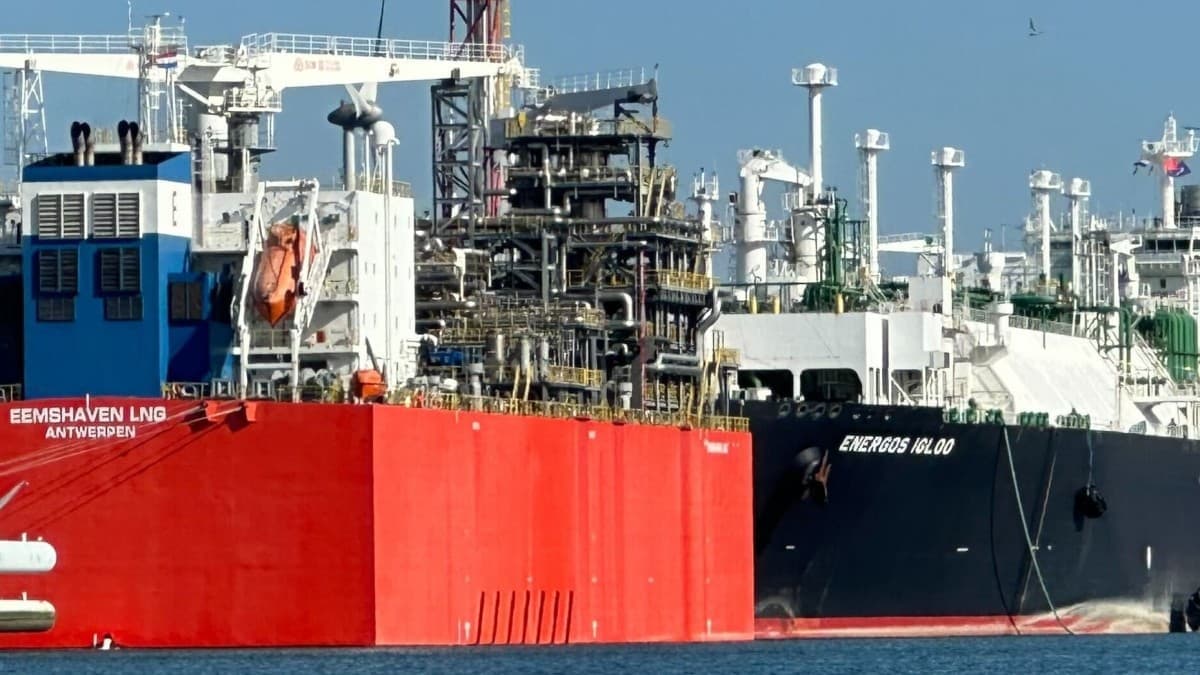
QatarEnergy yesterday declared force majeure on LNG contracts with buyers in Italy, China, Belgium, and South Korea, among others. The declaration follows Iranian retaliatory strikes on Qatar’s part of the South Pars/North Field gas deposit and its liquefaction facilities. The damage that resulted would take several years to fix, per QatarEnergy, which accounts for over 15% of global LNG capacity.

Meanwhile, in unrelated news, Australia’s Santos suspended production from its Barossa gas project that feeds the Darwin LNG facility. The company said it needed to replace some equipment at the Barossa field, which would take several weeks. This means that some 3.7 million tons in capacity at Darwin LNG has now been disrupted, at the worst possible time. As a result, gas prices are soaring, and they are soaring much higher, much faster than oil.

Related: 3 Defense Stocks To Replenish America’s Depleting Arsenal

Natural gas prices in Asia have swelled by 143% since February 28, Reuters’ Gavin Maguire reported in an article detailing why the natural gas crisis is worse than the oil crisis. European gas prices have gone up by 85%, and while some observers make a point of noting that even with that increase, prices are lower than they were back in 2022, this does not really matter. What matters is the physical availability of natural gas, and that has been compromised much more severely than back in 2022. To add insult to injury, a U.S. federal government official just threatened Europe that the administration could make LNG more expensive unless the EU signed the trade deal agreed last year by President Trump and Ursula von der Leyen as it is.

Global natural gas demand has grown much faster than oil demand over the past couple of decades. In fact, per Reuters’ Maguire, gas demand has grown twice as fast as oil demand, according to data from the Energy Institute that took over from BP in compiling a comprehensive annual global energy outlook. A lot of that growth has been attributed to countries’ efforts to replace coal with a fuel that burns a lot more cleanly, reducing air pollution and politicians’ favorite boogeyman, CO2 emissions.

Now, with natural gas getting scarce, some Asian nations are going back to coal despite warnings from pro-transition analysts that they should be building more wind and solar instead. The fact is that coal power plants are there and can be turned on much more easily than the wind or solar buildout, whose output depends on the weather. For Europe, however, this is not an option, because most of the European Union members have shut their coal power plants down and cannot restart them. This puts Europe in quite a bind with regard to energy security, not least because demand for gas in its biggest outside supplier is also on the rise.

The United States is the world’s largest producer and exporter of natural gas. Yet it is also one of the places with really fast-growing electricity demand because of Big Tech’s bet on artificial intelligence. This bet is driving demand for natural gas as a source of reliable electricity generation and, ultimately, pushing gas prices higher—including LNG export prices.

Related: The Invisible Metals Powering a Trillion-Dollar Economy

Asian countries’ return to coal suggests LNG prices have started to get too steep for them. Yet it is only a matter of time before the price gets to be too steep for the European Union as well, because European governments do not exactly have bottomless pockets. The problem was expressed back in 2022 by French President Emmanuel Macron, who accused the U.S. of “profiteering” from Europe’s gas crunch. He could not have foreseen the threat that U.S. ambassador to the EU Andrew Puzder issued this month, saying, “I think the United States will continue to want to do business with Europe, but just the terms may not be as favourable. The environment certainly won’t be as favourable. And . . . there are other buyers out there.”

There are, indeed, other buyers, and supply is tight. Nobody is talking about an LNG glut and a price slump anymore. But a lot of analysts have started talking about a gas shortage-caused fertilizer crisis leading to food inflation—and this is the graver part of the natural gas shortage problem. It means that energy importers in Asia and Europe would need to juggle with two bad situations to keep a cap on inflation that may become crippling if left unattended. Compared to that, Brent at $100 per barrel is manageable.

By Irina Slav for Oilprice.com

More Top Reads From Oilprice.com

Germany and South Korea Face Rare Earths Supply Shortage

U.S. Waivers Spur Russian Oil Sales But Interest in Iran’s Crude Remains Low

Japan Urges IEA to Prepare for Second Emergency Oil Release

Oilprice Intelligence brings you the signals before they become front-page news. This is the same expert analysis read by veteran traders and political advisors. Get it free, twice a week, and you'll always know why the market is moving before everyone else.

You get the geopolitical intelligence, the hidden inventory data, and the market whispers that move billions - and we'll send you $389 in premium energy intelligence, on us, just for subscribing. Join 400,000+ readers today. Get access immediately by clicking here.