yahoo Press
MSFW Paid $0.97 One Week and $0.097 Another. That Volatility Is the Real Risk
Images
1 / 5
2 / 5

3 / 5

4 / 5
5 / 5
Roundhill MSFT WeeklyPay ETF (MSFW) has lost 34% since July 2025 launch despite advertising 30.56% yield, while Microsoft (MSFT) is down 24% year-to-date in 2026 and the 1.2x leveraged fund has dropped 28.6%, with weekly distributions declining from $0.97 per share in August 2025 to $0.14 most recently due to NAV erosion from principal-based payouts.

The fund’s leveraged structure compounds losses during market declines, as each weekly distribution paid from a shrinking asset base reduces the dollars available to generate future income.

Have You read The New Report Shaking Up Retirement Plans? Americans are answering three questions and many are realizing they can retire earlier than expected.

Roundhill MSFT WeeklyPay ETF (CBOE:MSFW) has shed 34% of its value since its July 2025 launch, even as it advertises weekly income and enhanced exposure to one of the world's most valuable companies. That gap between the yield headline and the NAV reality is where the risk lives.

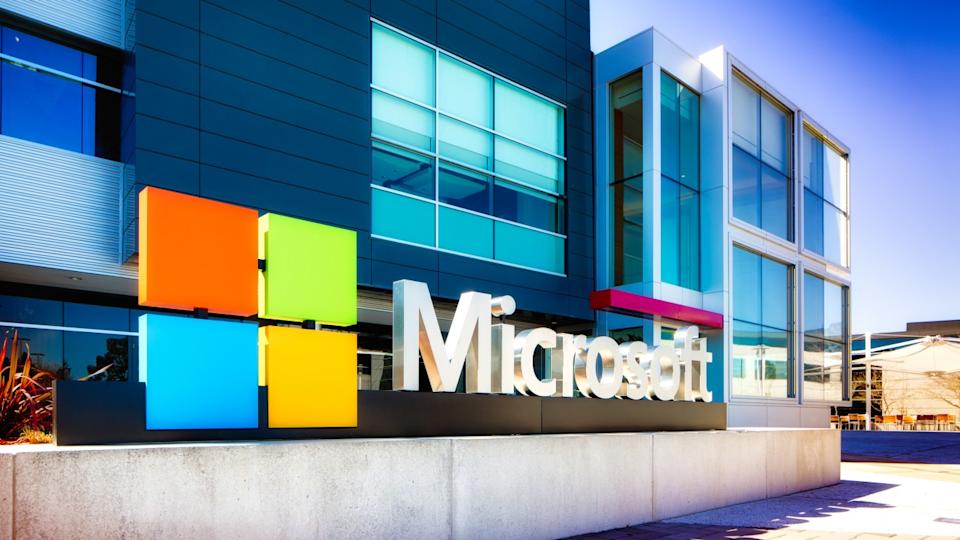
A view of the Microsoft corporate headquarters building featuring the company's logo sign.

MSFW targets 120% of Microsoft's calendar week total return, combining leveraged single-stock exposure with weekly distributions through total return swap agreements and Microsoft common stock, alongside short-term U.S. Treasuries. The fund is actively managed, carries a 0.99% expense ratio, and has attracted $30.7 million in total net assets.

Have You read The New Report Shaking Up Retirement Plans? Americans are answering three questions and many are realizing they can retire earlier than expected.

Investors get amplified participation in Microsoft (NASDAQ:MSFT) along with a weekly income check. At launch, the indicated yield was 30.56%. For income-seeking investors bullish on Microsoft, that sounds compelling. The risk is that the structure creates a compounding problem when Microsoft falls.

MSFW's 1.2x leverage means every down week in Microsoft hits the fund harder than the stock itself. Microsoft is down 24% year-to-date in 2026. MSFW is down 28.6% over the same period. That gap is leverage working against holders in a declining market.

The deeper issue is NAV erosion. Weekly distributions paid out of a shrinking asset base reduce the dollars generating future income. MSFW launched at $40.10 per share and now trades near $26.37. Every distribution paid during that decline came partly from principal, not purely from generated income. Roundhill's own prospectus acknowledges this: distributions may exceed the fund's income and gains and will be treated as a return of capital in that case.

Microsoft has traded in a 52-week range of $342 to $552, a spread of more than $200. A single-stock fund with 1.2x leverage on a name with that range carries real drawdown potential. Microsoft's beta of 1.1 means it already moves more than the broader market, and MSFW amplifies that further.

Weekly payouts have varied dramatically since inception. The fund paid $0.97 per share in a single week in August 2025. By February 2026, one weekly distribution fell to $0.097. The most recent payment was $0.14. That is roughly a 10x range across the fund's short history, and 2026 payouts have run well below the early highs.

The VIX currently sits near 25.3, above its 12-month average of 19.3, which supports higher options premiums and larger distributions in theory. But a declining NAV base means even elevated premiums generate smaller absolute dollar payouts. An investor who bought at launch is collecting weekly checks on a position worth substantially less than what they started with.

Microsoft's price trend: MSFW's NAV moves at 1.2x Microsoft's weekly returns. Track Microsoft's price at Yahoo Finance or any major brokerage. Sustained weekly declines compound into accelerating NAV erosion. Microsoft is currently down 5.9% in the past week alone.

Weekly distribution amounts: Roundhill posts each distribution on the MSFW fund page. If weekly payouts keep declining while NAV also falls, the total return picture deteriorates on both dimensions. Check after each Monday ex-dividend date.

The VIX: Track the CBOE Volatility Index via FRED or any financial data site. Higher VIX supports larger options premiums and larger distributions. A VIX collapse toward 13-14 range seen in December 2025 would compress payouts sharply.

Microsoft earnings: Microsoft reports quarterly. The next earnings event will move the stock sharply in either direction. Microsoft has beaten EPS estimates by 7.6% to 12.8% in each of the past four quarters, but the stock has still declined from its 52-week high of $552, suggesting the market is re-rating the valuation rather than reacting to fundamentals alone.

MSFW is a short-term tactical instrument structured to generate weekly income, not to preserve capital. The weekly distributions are real, but they are not a substitute for NAV stability. An investor down 34% since inception has received weekly payments throughout, but those payments have not offset the principal loss. The fund suits only investors who are actively bullish on Microsoft over a specific near-term window and understand they are accepting leveraged single-stock risk in exchange for income.

You may think retirement is about picking the best stocks or ETFs and saving as much as possible, but you'd be wrong. After the release of a new retirement income report, wealthy Americans are rethinking their plans and realizing that even modest portfolios can be serious cash machines.

Many are even learning they can retire earlier than expected.

If you're thinking about retiring or know someone who is, take 5 minutes to learn more here.