huffpost Press
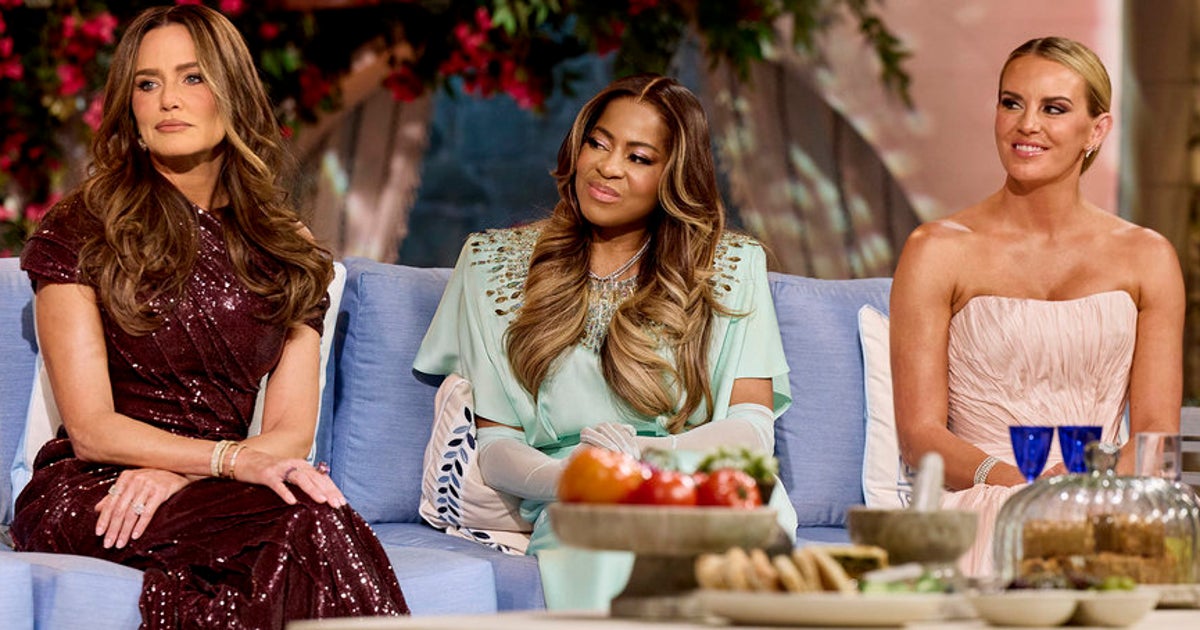
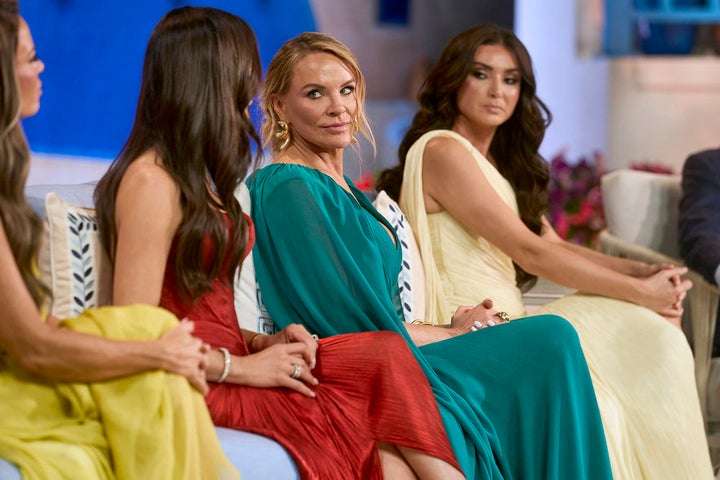
The Secret Behind The Enduring Popularity Of 'The Real Housewives'
Images
1 / 9

2 / 9
3 / 9
4 / 9
5 / 9

6 / 9

7 / 9

8 / 9

9 / 9
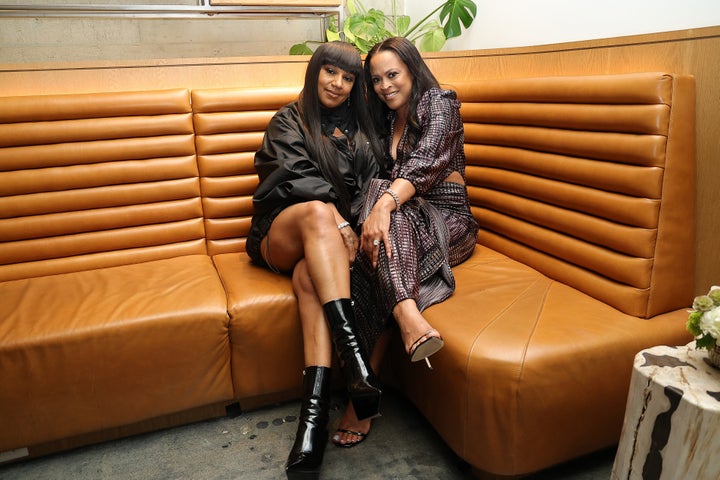
At the end of January, Shaunie Henderson announced that after 12 seasons, the VH1 reality show franchise “Basketball Wives” would end its run.

“Since its launch in 2010, this franchise has been the defining part of my professional journey,” Henderson said in a video message posted on Instagram. “What began as a vision to tell my story and stories of women like me grew into a cultural movement that created opportunity, sparked conversation and honestly, amplified voices that deserve to be heard.”

Those are a lot of fancy words for a show whose legacy includes its cast members fighting, cursing each other out, and taunting one another with overly aggressive pats to the crotch. But in fairness to the personality — who is also the ex-wife of NBA legend Shaquille O’Neal — she is correct all the same. “Basketball Wives” did amplify voices that might’ve been otherwise ignored, which is the beauty (and curse) of reality TV.

“Basketball Wives” isn’t the only long-running reality show to announce its end. “Love & Hip Hop: Miami” has recently been canceled, and although “Love & Hip Hop: Atlanta” is holding on, it is not the show it used to be in terms of status and relevance, giving reason to question how much longer the franchise can hold on as its owner continues to make cuts in a declining cable market.

Especially after it was just announced that the new season of “Jersey Shore Family Vacation” will be its last. Say what you will about the Zeus Network, but the people on “Baddies” seem a lot happier with their earnings and fanfare than the reality stars on BET and VH1.

Yet for all the doom and gloom in some circles of media, Bravo’s “The Real Housewives” is thriving and expanding. Some of that has to do with the obvious: more corporate support.

Whereas many companies are trying to divest from cable networks, NBCUniversal, which spun off other networks like MSNBC, USA and E! into a separate company, kept Bravo because of its strong brand identity, high viewership and its role as a key content driver for the Peacock streaming service.

That is undoubtedly a more determinative factor in the success of “The Real Housewives,” but there’s also something unique about the franchise that will likely extend its success for the foreseeable future.

Unlike television’s traditional preference for youth, Real Housewives placed middle-aged women — mothers, entrepreneurs, divorcées — at the center of the story, building stories around women that society often sidelines.

That is not to say “Basketball Wives” and “Love & Hip Hop” did not elevate women sidelined as well, but their shows fixated on deriving much of their energy from proximity to active male celebrities. The “Love & Hip-Hop” women were compelling, dynamic and often wildly charismatic in their own right, but the structure of the shows tethered them to active industries dominated by men — professional basketball, hip-hop and music production. Storylines frequently revolved around relationships with players, producers, rappers, husbands, exes and the instability that comes with those worlds.

By contrast, “The Real Housewives” centers women as the ecosystem itself.

Husbands appear. Boyfriends rotate in and out. Scandals involving men certainly erupt. But they are secondary characters in a social order governed by women. The drama is not dependent on romantic access to a famous man; it is fueled by status hierarchies, wealth performance, friendship fractures, business rivalries and reputation management within the group.

Even if the housewife’s affluence is real, imagined or attained through criminal means, it allows for a wider pool of women than the shows that require adjacency to celebrity. As shows like “Basketball Wives” and “Love & Hip Hop” gained in popularity, the tier of stars dwindled over time. These shows struggled to transition from their “OG” casts — often feeling like casting “clones” of previous stars.

By contrast, on “Housewives,” particularly recent editions like “The Real Housewives of Salt Lake City,” the show has successfully managed to evolve — particularly when leaning into high-concept editing and “breaking the fourth wall,” acknowledging that the women are on a reality show.

That is not to say Bravo has not made any mistakes, as evidenced by the continued pouncing of “The Real Housewives of New York” among many online fans, but at the very least, they are willing to try new things and keep the faith.

Cities can reboot. Cast members can be demoted. Villains can be rehabilitated. Entire ensembles can be replaced.

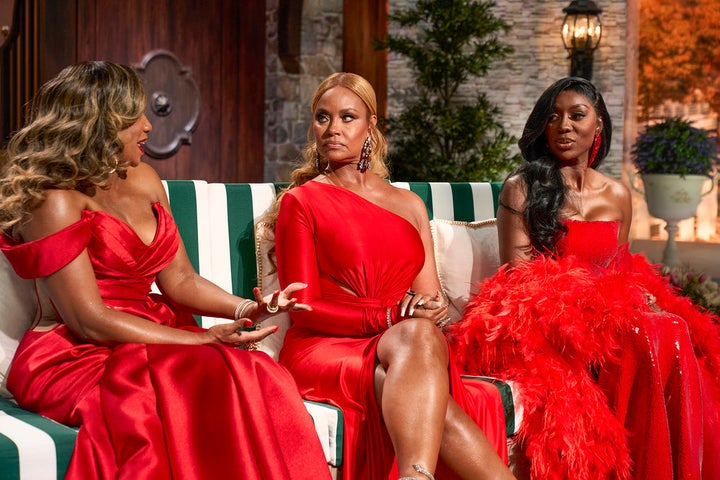
More often than not, their instincts work — the reboot of “Real Housewives of Miami” after eight years of dormancy comes to mind. (Though Bravo recently announced that the show was on pause.) So does letting “Real Housewives of Atlanta” stew for a spell after two dismal seasons. Granted, there is already debate about the addition of a former “Love & Hip-Hop” cast member, K. Michelle, to the fold, and whether the Season 17 RHOA trailer itself seemed “too LHH,” but is this not the most talk the show has enjoyed in years?

In fact, more than anything, all this constant chatter about the show from fans — meme accounts, podcasters, TikTok creators — helps make the “Real Housewives” franchise so dominant after two decades.

It is an ecosystem in itself, and one that Bravo’s parent company learned to monetize through BravoCon, and their competitors failed to replicate.

Whether that can sustain the franchise for another 20 years is anyone’s guess. But “Real Housewives” has survived cast implosions, cultural shifts, corporate mergers and the slow collapse of cable television itself.

It is an institution, and unless its parent company divests entirely — or the fandom disappears en masse — expect “The Real Housewives” to remain long after many of its competitors have faded into nostalgia.

By entering your email and clicking Sign Up, you're agreeing to let us send you customized marketing messages about us and our advertising partners. You are also agreeing to our Terms of Service and Privacy Policy.