yahoo Press
AI is creating a surge in demand for HVAC technicians, other skilled labor: Randstad
Images
1 / 4
2 / 4

3 / 4

4 / 4
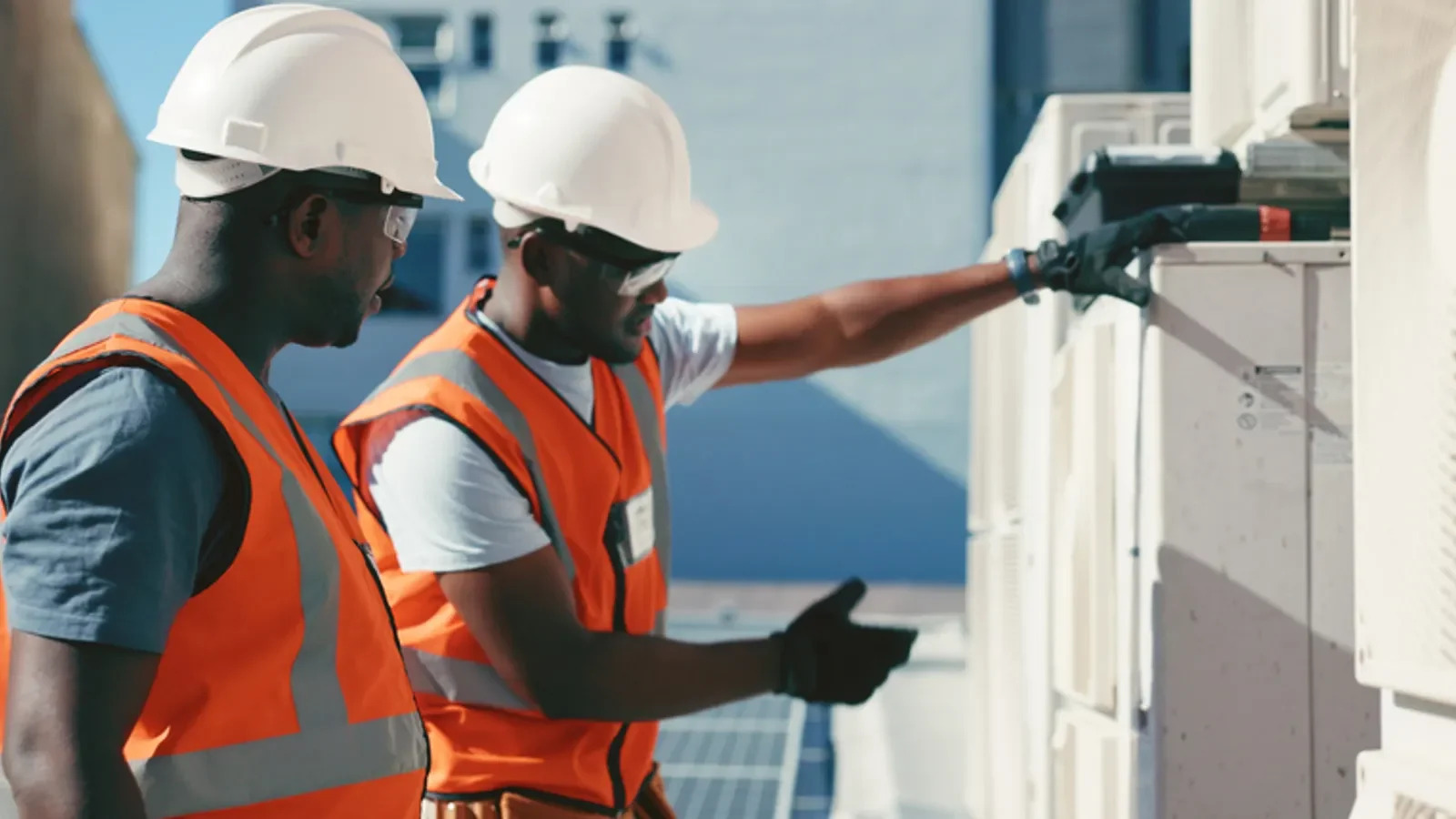
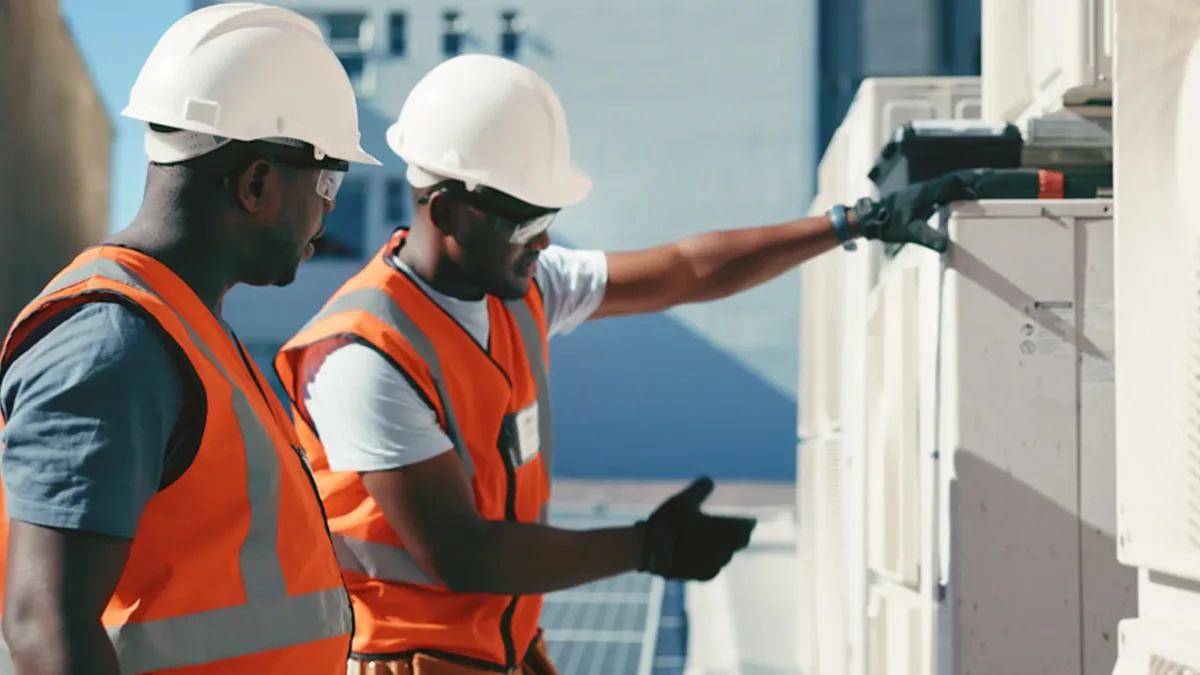
This story was originally published on Facilities Dive. To receive daily news and insights, subscribe to our free daily Facilities Dive newsletter. The rapid scaling of data centers and digital infrastructure in the United States is exacerbating challenges in hiring skilled labor, according to a report by Randstad North America. It’s now more time-consuming to hire an HVAC professional and an electrician than a software developer, the report says. The average hiring time for a skilled worker is 56 days, compared to 54 days for a tech worker. "While much of the conversation surrounding AI focuses on job displacement, we're overlooking the demand it’s creating for the skilled trade workforce," Greg Dyer, chief commercial officer of Randstad North America, said in a statement. “AI can't build data centers, upgrade power grids, or maintain its own infrastructure.” Randstad USA analyzed more than 150 million job postings in the U.S. for key roles between 2022 and 2026 to identify labor demand. The country is going through a generational shift as seasoned workers retire, taking with them skills that have helped prevent downtime and costly errors, the report says. Workers in the current wave aren’t always getting what they need to grow in their roles, it says. Although 82% of Gen Z workers — generally those born between 1997 and 2012 — are confident they can acquire skills, more than 30% have left a job in the past year due to lack of advancement opportunities. In its report, Randstad recommends organizations replace reactive with strategic hiring to fill their jobs and help younger workers deepen their skills. “Work on your existing rosters for flexibility and take inventory of your staff’s skill profiles,” the report says. “Create a talent strategy that promises schedule autonomy, long-term skill upgrades and flexibility in decision-making, knowledge transfer and taking stock of the facility.” Employers’ concerns over inflation and economic uncertainty are adding to worker insecurities, says the report. The “skilled workforce [is leaving] their jobs” because of those concerns, it says. The report recommends employers adopt a blended workforce model that incorporates contract workers. “Fill urgent talent gaps with expert skilled trades talent on a contract payroll,” it says. “This talent mix protects your operational continuity without inflating fixed costs.” Leaders can also attract and retain skilled labor by offering policies that promote work-life balance. In a survey, more workers voted for work-life balance as a decisive factor in accepting a job offer than those voting for an attractive salary and benefits. Since remote work is typically not an option in the context of skilled trades, work-life balance must mean something different, the report says. Facility leaders can instead provide flexibility by offering predictability and being aware of their employees’ needs, the report says. “Go the extra mile to compress their weekly schedule and make rotations more predictable,” it says. “Audit [their] day-one experience…. Take stock of whether your lockers are ready, tools available and leads aligned to instill safety culture in new hires. Take effort to train your front-line leaders on respect and clarity. Train them on aspects of work assignment and how feedback is given.” Another tactic is upskilling and treating apprentices like they’re part of a program rather than just a hire. By mapping out clear progression paths and shoring up coaching capacity, operators can ensure that training doesn’t “fizzle out before it even takes off,” the report says. “Leaders must reposition skilled trades as a top-tier career track,” the report says. “Leaders must prioritize investments in education, upskilling, and training.” Recommended Reading NEMA, other groups want the US to pay companies to employ veterans as electricians