yahoo Press
How to invest in silver: A beginner's guide
Images
1 / 9

2 / 9

3 / 9
4 / 9

5 / 9
6 / 9
7 / 9
8 / 9
9 / 9
Some offers on this page are from advertisers who pay us, which may affect which products we write about, but not our recommendations. See our Advertiser Disclosure.

Silver has long attracted investors looking for an alternative to stocks and bonds, and it's easy to see why. It's more affordable than gold, has a wide range of industrial uses that support ongoing demand, and can serve as a hedge against inflation and economic uncertainty.

The downside is that it can be significantly more volatile than other assets and doesn't generate income the way stocks or bonds do. If you're considering adding silver to your portfolio for the first time, here's what you need to know about why silver is an attractive option, how to invest in silver for beginners, and the factors that affect its price.

Silver (SI=F) is both a precious metal and an industrial commodity in high demand. That dual nature sets it apart from gold, and it's a big part of why investors pay attention to it.

Here are the main reasons investors choose silver:

Inflation hedge: Like gold, silver has historically held its value during periods of high inflation. When the purchasing power of the dollar erodes, hard assets like silver tend to hold up or even appreciate.

Portfolio diversification: Silver often moves differently than stocks and bonds, which means adding it to a portfolio can reduce overall volatility. It also tends to perform well during periods of economic stress when traditional markets struggle.

Industrial demand tailwind: Roughly 60% of global silver demand comes from industrial applications, such as solar panels, electric vehicles, electronics, and medical devices. That underlying demand provides a fundamental floor that purely monetary assets like gold don't have.

Lower barrier to entry than gold: Silver is far more affordable per ounce than gold, making it accessible to investors with smaller budgets who still want exposure to precious metals.

Read more: Why is silver outperforming gold? What to know before you invest.

There are several ways to invest in silver, from buying the metal itself to choosing financial products tied to its price. Here’s how each option works.

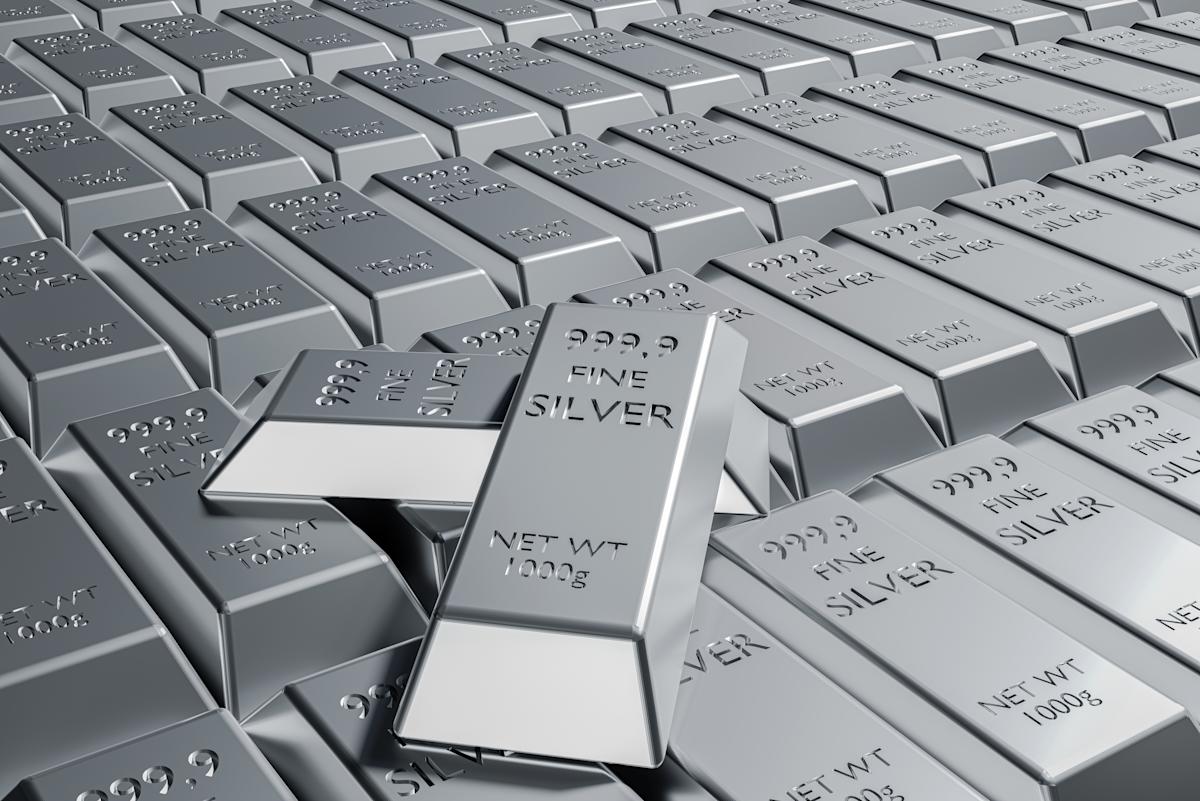
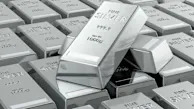
The most direct way to invest in silver is to buy it in physical form, either as bullion bars or government-minted coins. This gives you direct ownership of the metal, with no counterparty risk from an exchange or financial institution.

The trade-off is logistics. You'll need to think about storage, security, and potentially insurance. Dealers also charge a markup above the spot price, which means prices need to rise enough to cover that premium before you're in profit. Still, for investors who want tangible ownership of their assets, physical silver is a straightforward option.

Silver exchange-traded funds (ETFs) trade on stock exchanges the same way individual stocks do. Some ETFs hold physical silver directly, giving shareholders fractional ownership of real metal. Others invest in silver mining companies rather than the commodity itself.

ETFs are generally the most accessible and liquid way to get silver exposure. You can buy and sell them through any standard brokerage account, and there's no storage or insurance to worry about.

Keep in mind, though, that some silver funds are taxed as collectibles rather than investments, which can mean a higher tax rate. It's worth confirming the tax treatment with a professional before investing. You'll also have to keep an eye on expense ratios.

Silver mutual funds typically invest in a basket of silver mining and streaming companies, offering broader diversification than buying shares in a single miner. Like other mutual funds, they're professionally managed and priced once per day after market close — unlike ETFs, which trade throughout the day.

Mutual funds can be a lower-maintenance option for investors who don't want to pick individual stocks, though they come with annual expense ratios that can eat into returns over time.

Rather than investing in silver itself, you can invest in companies that mine it. When silver prices rise, mining companies often see amplified gains, but the reverse is also true. Mining stocks carry additional risks beyond the price of silver, including company-specific factors like operational costs, management decisions, and geopolitical conditions in the regions where they operate.

Mining stocks are more liquid than physical silver and can be bought and sold through any brokerage account. For investors comfortable with equity analysis, they can offer leveraged exposure to silver prices.

Futures contracts let investors agree to buy or sell a set amount of silver at a predetermined price on a future date. They're primarily used by traders looking to speculate on short-term price movements, and they allow the use of significant leverage, meaning both gains and losses can be magnified.

Silver futures aren't a great starting point for most beginners. The complexity and risk involved make them better suited for experienced traders who fully understand how leverage and commodities markets work.

Like any investment, silver comes with real benefits and real drawbacks. Here's a balanced look at both sides.

Accessible entry point: You don't need a lot of money to get started. A single ounce of silver costs a fraction of what you'd pay for gold, so it's a realistic option for investors at almost any budget.

Portfolio diversification: Because silver doesn't always move in lockstep with the stock market, it can act as a buffer when equities take a hit.

Industrial demand: Silver's use in solar panels, electric vehicles, and electronics means its value isn't purely speculative. Real-world demand gives it a floor that assets like gold don't always have.

High volatility: Silver prices can swing dramatically in a short period of time, more so than gold, which makes it a risky bet for investors who can't stomach sharp losses.

No income generation: Unlike stocks or bonds, silver pays no dividends or interest. The only way to profit is if the price goes up and someone else is willing to pay more than you did.

Storage and tax complications: Physical silver requires secure storage and possibly insurance, which adds cost. And depending on how you invest, some silver products carry less favorable tax treatment than standard investments.

Understanding what drives silver's price can help you make more informed decisions about when and how to invest. Here's a look at some of the influences:

Industrial demand: Since more than half of silver demand comes from industrial applications, economic conditions that affect manufacturing have a direct impact on price.

Gold prices: Silver and gold tend to move in the same direction, and investors often track the gold-to-silver ratio to gauge whether silver is over- or undervalued relative to gold.

Dollar strength: Silver is priced in U.S. dollars, so when the dollar weakens, silver becomes cheaper for international buyers, which typically boosts demand and prices. A stronger dollar tends to have the opposite effect.

Inflation and interest rates: In high-inflation environments, investors often turn to hard assets like silver. Rising interest rates can be a headwind, as they make yield-bearing assets more attractive by comparison.

Supply constraints: Most silver is produced as a byproduct of mining other metals like copper, zinc, and lead. That means silver supply can't easily respond to rising demand, and disruptions at major mines from labor strikes to regulatory changes can have an outsized impact on price.

Silver can play a useful role in a diversified portfolio, but it works best as a complement to a broader investment strategy, not as a primary holding. Most financial professionals who recommend silver suggest keeping the allocation modest, typically in the range of 5% to 10% of a portfolio for all precious metals.

Silver is best suited for investors who already have a solid foundation of stocks, bonds, and other traditional assets and who are comfortable with above-average price volatility. Because it generates no income and can experience significant price swings, it's a poor fit for investors who need steady returns or can't afford to hold through a downturn.

Before adding silver or any alternative investment to your portfolio, it's worth consulting with a financial advisor who can help you evaluate whether it aligns with your goals, risk tolerance, and overall financial situation.

Learn the uses, risks, and investment purposes of silver, platinum, and palladium, and find out how to add these precious metals to your portfolio.

For investors looking to diversify beyond stocks and bonds, gold is a popular choice. Here's what beginners need to know.

Silver prices have more than tripled over the past year despite their recent sell-off. Here’s what you should know about the metal before you invest.

Silver’s surge has delivered massive gains to investors — but the IRS treats it as a collectible, not a stock. Here’s how taxes work and how to legally reduce what you owe.

Gold and silver prices have been on a tear, with silver prices increasing by more than 100% year to date. Experts weigh in on what could be causing these record highs.

There are several ways to invest in gold. Which is best for you depends on your up-front investment and financial goals. Here are the top six ways to invest in gold.