yahoo Press
Mark Cuban Says If Work Becomes Optional Like Elon Musk Predicts, They'll Invent 'New And Unpredictable Taxes' Like A Robot Utilization Tax
Images
1 / 4
2 / 4

3 / 4

4 / 4
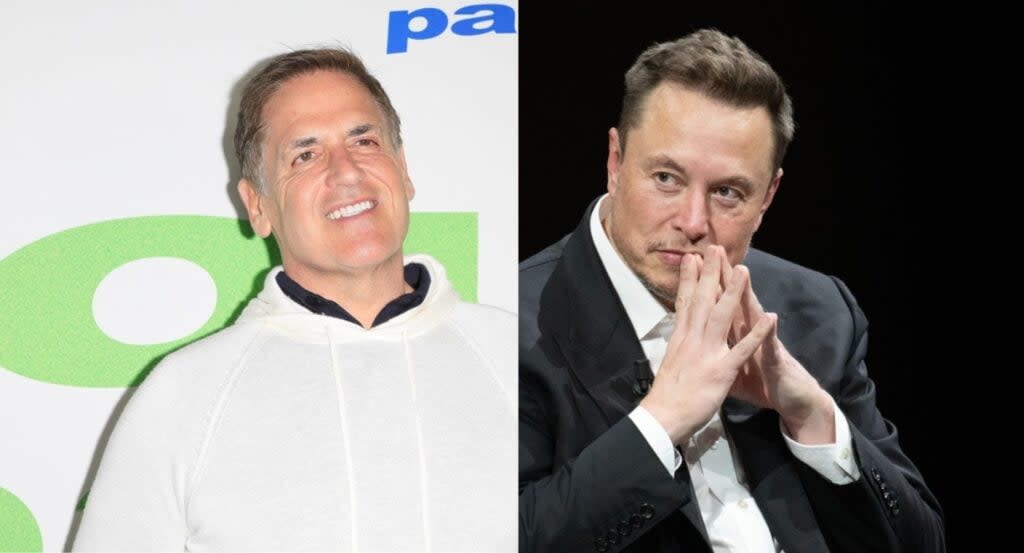
The future of work might not come with a timecard. It might come with a tax bill. Mark Cuban jumped into the AI debate on X with a mock IPO "Risk Factors" section that reads less like satire and more like a preview of what companies could soon be forced to disclose.

He was responding after Tesla CEO Elon Musk wrote, "Working will be optional in the future," in a post on X Saturday.

A four-year timeline that changes everything

Cuban's response didn't ease into the idea. He went straight to speed.

"Within the next 4 years we expect to completely recreate all processes and procedures in each organization to optimize the replacement of humans with humanoids and AI."

Don't Miss:

A single bad hire can set a startup back years. Here are the 5 hires founders most often misjudge — and why

Avoid the #1 Investing Mistake: How Your ‘Safe' Holdings Could Be Costing You Big Time

That line does two things at once. It sets a timeline and raises the stakes. This isn't framed as a slow transition or a distant future. It's a near-term overhaul of how companies operate.

In simple terms, Cuban is describing a world where businesses redesign themselves to rely far less on human labor. AI systems and humanoid robots wouldn't just assist workers. They would replace them at scale.

That aligns with Musk's broader view. He has repeatedly suggested that advanced AI could make traditional jobs unnecessary for survival. Work would become optional, more like a choice than a requirement.

If work disappears, tax revenue doesn't

Cuban's biggest warning isn't about technology. It's about what happens after.

"In the event our prediction that work will be optional is actualized, we expect local, state and federal governments to institute new and unpredictable taxes including a robot utilization tax, a token utilization tax and who the fuck knows what else."

Trending: Skip the Regrets: The Essential Retirement Tips Experts Wish Everyone Knew Earlier.

The logic is straightforward. Today, governments collect a large share of revenue from human labor through income taxes and payroll taxes. If fewer people are working, that stream shrinks.

Cuban's point is that governments won't simply accept that loss. They'll look for new ways to replace it. That could mean taxing the tools doing the work instead of the people who used to do it.

The idea isn't new. Microsoft co-founder Bill Gates said in 2017 that companies using robots to replace workers could be taxed in a similar way to human labor. The goal would be to offset lost revenue and potentially fund retraining or public services.

Cuban takes it a step further by emphasizing uncertainty. The phrase "new and unpredictable taxes" suggests businesses won't just face higher costs. They may struggle to plan around rules that don't exist yet.

IPO filings, AI disclosures and a legal system playing catch-up

Cuban wrapped his point in the language of Wall Street paperwork for a reason. Risk disclosures are meant to warn investors about what could go wrong. His version suggests those sections could soon read very differently.

"Trading of our Stock. In an AI driven stock market it is feasible the market infrastructure of the incumbent platform we have chosen, NASDAQ, may not be able to implement AI effectively, impacting whether or not our stock can be traded."

See Also: Don't risk buyer's remorse — ask these critical questions every homebuyer should know.

He didn't stop there. He added that companies might need backup systems like tokenized trading on blockchain networks and noted that AI could write most of the disclosures themselves.

"This prospectus was created in a human, AI partnership with 87 percent of the words presented in the prospectus generated by Grok."

The punchline lands at the end.

"The future is now. Our legal system is yesterday."

It's a joke, but it carries weight. If companies really do move this quickly, the rules governing them may lag behind. That gap between innovation and regulation is where Cuban sees the real risk.

The takeaway is simple. A world where work is optional might sound freeing. Cuban's warning is that it won't be frictionless. The jobs may go away, but the bills, especially from governments, are likely to show up in new forms.

Read Next: Thinking about ETFs? See what investment risks you should be aware of before you buy.

Image: Shutterstock

UNLOCKED: 5 NEW TRADES EVERY WEEK. Click now to get top trade ideas daily, plus unlimited access to cutting-edge tools and strategies to gain an edge in the markets.

Get the latest stock analysis from Benzinga:

APPLE (AAPL): Free Stock Analysis Report

TESLA (TSLA): Free Stock Analysis Report

This article Mark Cuban Says If Work Becomes Optional Like Elon Musk Predicts, They'll Invent 'New And Unpredictable Taxes' Like A Robot Utilization Tax originally appeared on Benzinga.com

© 2026 Benzinga.com. Benzinga does not provide investment advice. All rights reserved.