yahoo Press
Altria’s Best Growth Opportunity Is Running Into Bureaucratic Foot Dragging
Images
1 / 4
2 / 4

3 / 4

4 / 4
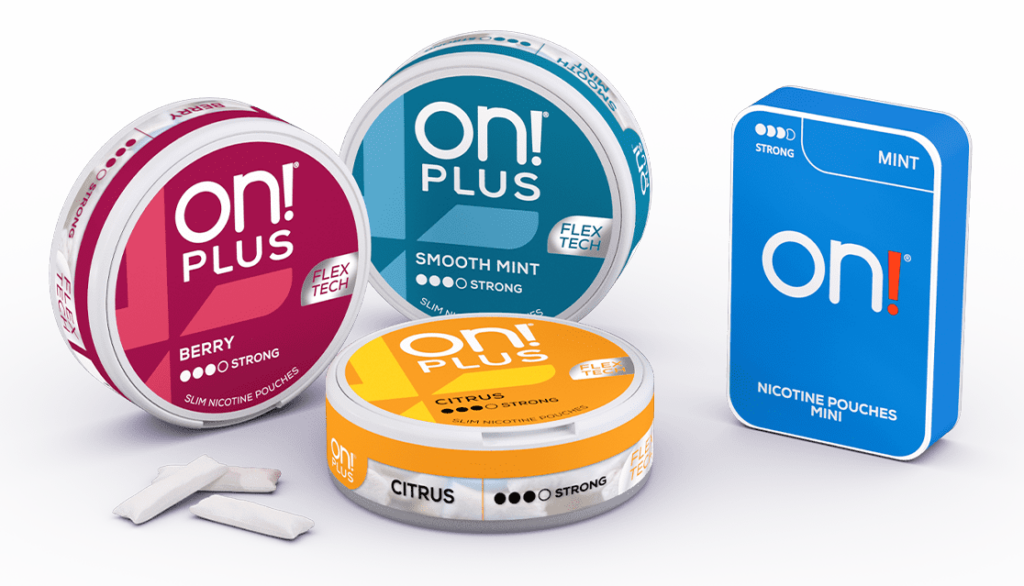
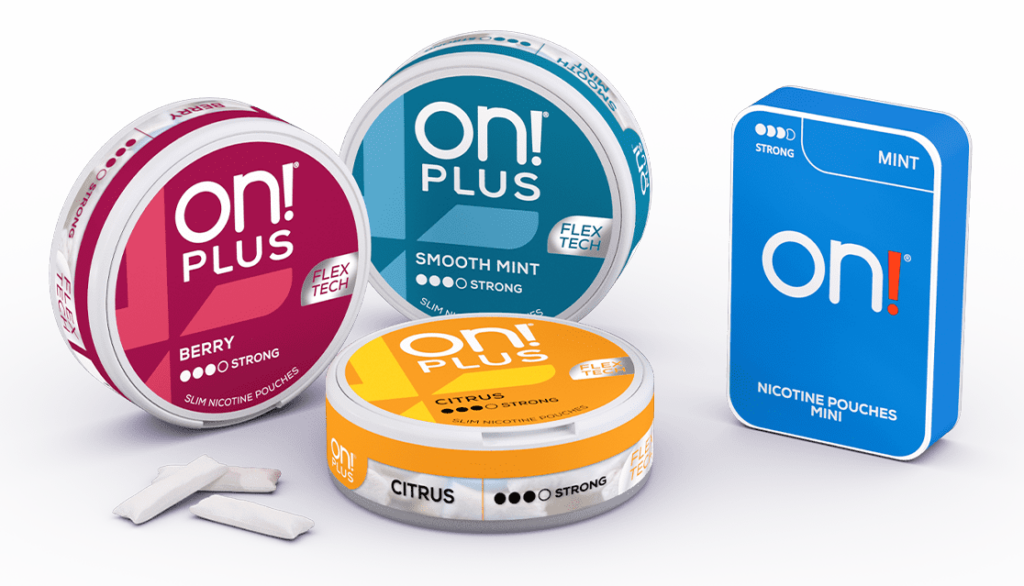
Altria (MO) posted Q4 net revenues of $5.85B as cigarette sales fell 2%, but its on! nicotine pouch brand shipped 177.8M cans in 2025 (up 11%), capturing 13.4% of the fast-growing pouch segment and securing FDA approval for six on! PLUS SKUs. Philip Morris (PM) and British American Tobacco (BTI) compete heavily in pouches, with PM’s newer Zyn versions and BTI’s Velo brand discounting aggressively while facing FDA regulatory delays.

Altria’s growth engine is sputtering because FDA scientists are stalling the fast-track pilot program for new nicotine pouch labels due to concerns about creating new nicotine addicts among youth and non-smokers rather than simply converting existing smokers.

A recent study identified one single habit that doubled Americans’ retirement savings and moved retirement from dream, to reality. Read more here.

Cigarette volumes in the U.S. keep sliding, yet nicotine pouches are exploding as the fastest-growing segment in oral tobacco. Marlboro cigarette maker Altria Group (NYSE:MO) has poured resources into its on! nicotine pouch brand to offset that decline, but fresh regulatory worries are slowing the very innovation meant to power its future.

Is the growth engine sputtering before it can get the chance to really rev up? The numbers paint a clear picture -- and point to what income-focused investors should watch.

Altria's core smokeable business still dominates, but the pressure is real. In its fourth-quarter results, net revenues fell 2% to $5.85 billion, driven almost entirely by lower cigarette sales. Full-year adjusted diluted earnings reached $5.42 per share, up modestly from the prior year thanks to pricing power and cost discipline. For 2026, management guided adjusted EPS to $5.56 to $5.72 -- a 2.5% to 5.5% increase, weighted toward the second half.

Read: Data Shows One Habit Doubles American’s Savings And Boosts Retirement

Most Americans drastically underestimate how much they need to retire and overestimate how prepared they are. But data shows that people with one habit have more than double the savings of those who don’t.

Free cash flow for 2025 came in at $9.1 billion, up 5.4% year-over-year, giving Altria plenty of ammunition to still reward shareholders. The company pays a $4.24 per share annual dividend -- $1.06 quarterly -- for a current yield of 6.43% at around $66 per share. That marks 56 straight years of increases, with a five-year average growth rate of 4.32%. Compare that to peer Philip Morris International (NYSE:PM), which yields just 3.5% and trades at a forward P/E of roughly 17.1x versus Altria's forward P/E of 11.2x. Altria delivers more income today, but PM generates far more of its revenue from smoke-free products.

Here’s where Altria's growth story shines -- and where cracks are showing. The U.S. nicotine pouch category ballooned to 56.9% of the total oral tobacco category in late 2025, up 10.4 percentage points year-over-year. On! delivered solid progress: full-year 2025 shipment volume rose 11% to 177.8 million cans, pushing its retail share of the entire oral tobacco category to 8.2%, a 0.1-point gain. Yet its slice of the faster-growing pouch segment slipped to 13.4% in the fourth quarter (down 5.3 points) as rivals discounted aggressively.

The bright spot? On! PLUS, Altria’s next-generation pouch with built-in disposal and higher-strength options received FDA marketing orders in December -- the first through the agency’s pilot program. Nationwide retail rollout began March 23, expanding from just three states. Management sees this as a chance to reclaim pouch market share while protecting margins. on! actually raised prices 3% in 2025, even as category pricing fell 12%.

The headwinds have turned gusty, however, as Reuters reported this morning that the FDA’s fast-track pilot for new nicotine pouch labels -- meant to deliver decisions by December 2025 -- has stalled. Applications from Philip Morris (for its newer Zyn versions) and British American Tobacco (NYSE:BTI) (the Velo brand) remain in a “holding pattern” because agency scientists say the evidence on benefits versus risks to youth and non-smokers “was not as clear-cut as expected.” Youth use remains low but is rising among young adults, and regulators worry about creating new nicotine addicts rather than just converting smokers.

It's not an unwarranted concern: As a non-smoker, I began using on! over a year ago to help as an appetite suppressant; I lost 30 pounds in about four months as a result, though subsequently plateaued and began to put weight back on. I ended up going on Zepbound (down 150 pounds in one year!), but still use the nicotine pouches. Where I had taken one every four to six hours, I now take one every hour -- or less.

Altria has already secured approval for its six on! PLUS SKUs, so it isn’t frozen out. Still, broader delays could cap category innovation and slow the shift away from cigarettes. The $22 billion U.S. smoking-alternatives market is booming, but unchecked youth concerns risk tighter marketing rules or slower approvals ahead.

Altria’s pivot to on! nicotine pouches is delivering real volume growth and FDA-authorized innovation, but cigarette declines and regulatory caution are capping the upside. Expect low-single-digit EPS growth in 2026 -- solid for a 6.43% yielder with a rock-solid balance sheet and $9.1 billion in free cash flow. At a forward P/E of 11.8x, Altria remains a bargain for patient income investors who can stomach modest volume pressure.

I recommend holding what you own, collecting the dividend, and watching the on! PLUS rollout for signs that pouch momentum can outrun the headwinds. The story isn’t broken -- it’s just evolving more slowly than hoped.

Most Americans drastically underestimate how much they need to retire and overestimate how prepared they are. But data shows that people with one habit have more than double the savings of those who don’t.

And no, it’s got nothing to do with increasing your income, savings, clipping coupons, or even cutting back on your lifestyle. It’s much more straightforward (and powerful) than any of that. Frankly, it’s shocking more people don’t adopt the habit given how easy it is.