yahoo Press
Big Oil Returns to Exploration as Reserves Dwindle
Images
1 / 4
2 / 4

3 / 4

4 / 4
After years of upstream underinvestment and a short-lived foray into clean energy, the world’s biggest oil and gas firms are accelerating exploration efforts as they look to replenish their upstream portfolios.

Executives at Big Oil have been signaling for nearly a year that they seek to boost upstream portfolios in a world where oil and gas demand is growing and will continue to grow for years to come.

During the 2025 earnings calls and at last week’s CERAWeek event in Houston, the top brass of the largest oil and gas majors reiterated their focus is now exploration, alongside creating shareholder value and raising returns for investors.

Exploration Returns

The top oil and gas firms have all picked their respective preferred areas of exploration. These may differ, but the goal is shared by all—tap more resources and hopefully find a new Guyana-style province that could yield large volumes over decades and replace reserves.

“Five years ago, nobody was talking about the replacement, right? It was forgotten. But we need to start thinking about how we are going to replace the current production in the coming years,” Francisco Gea, Repsol’s executive managing director of exploration and production, said at CERAWeek, as carried by Reuters.

After years of underinvestment in hunting for new resources, Big Oil has now realized that the energy transition is not taking away demand for oil and gas. The majors have realized they need to be in a strategically strong position for the future, in which oil demand isn’t peaking as soon as ‘next year’, as the net-zero scenarios of the early 2020s promised every year.

European majors BP and Shell have reversed their pledges from the early 2020s to reduce oil and gas production by the end of the decade. Last year marked the return to boosting oil and gas production, and with it, increased exploration efforts in key basins and promising new frontiers.

Related: Could This Be China’s Strategy To Paralyze the Pentagon?

Shell, for example, has expanded its footprint for exploration by acquiring acreage in Angola, South Africa, and the U.S. Gulf of Mexico, chief executive Wael Sawan said on the Q4 earnings call in February.

Sawan said he is pleased with smaller but commercial discoveries in basins familiar to Shell, but “less pleased with the fact that we haven’t found the bigger plays that allow us to potentially create big new hubs.”

Shell will look at exploration, M&A, and new business development in pursuit of resources, Sawan added, noting that the supermajor would decide where best to deploy the capital depending on track record, risk-adjusted return, and where the management thinks they can create value.

Key to Shell’s and everyone’s decisions on exploration expenditure would be how quickly discoveries could make it to production.

Another European major, TotalEnergies, has expanded its exploration portfolio by entering new licenses in Algeria, the U.S., Nigeria, Malaysia, Indonesia, Guyana, and Liberia, it said in the 2025 results release.

Namibia is a key frontier exploration area for the French group, with two discoveries, Venus and Mopane, which are “large, competitive, low-emissions deepwater projects,” Deputy CFO Arnaud Le Foll said on the Q4 earnings call.

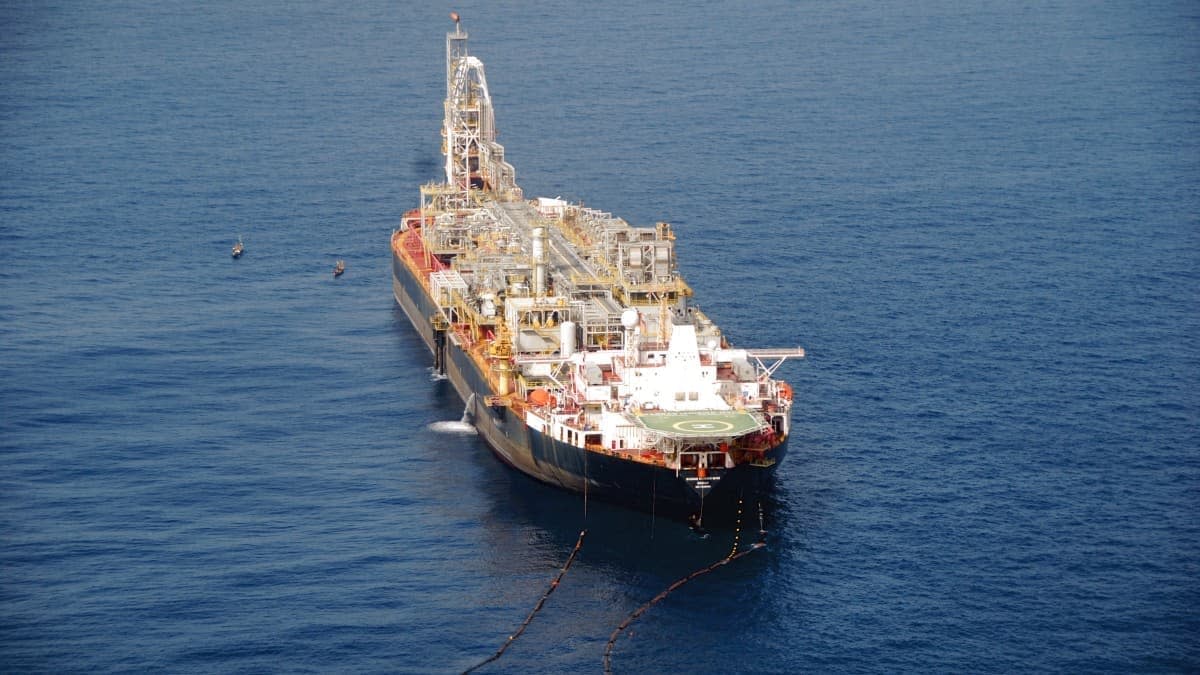
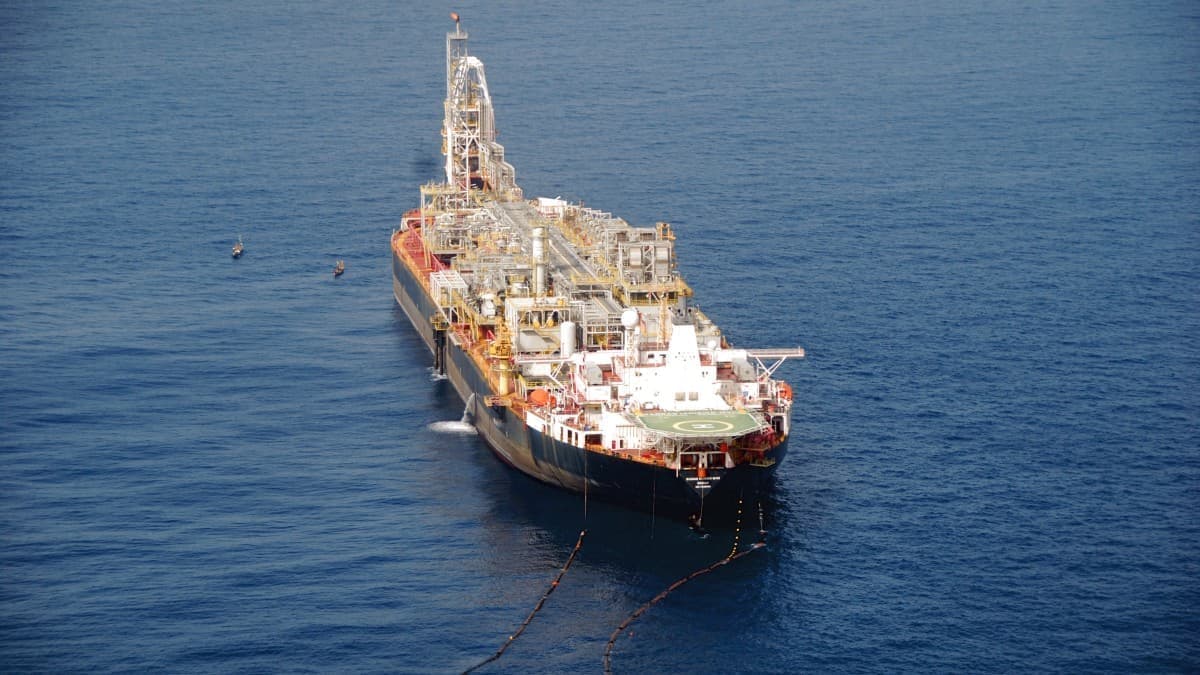
“And with wider exploration portfolio, we have meaningful upsides in the future. This all together forms the foundation of a new golden province for TotalEnergies, with a multiFPSO hub with strong long-term potential, all operated by TotalEnergies,” Le Foll added, referring to the Namibia potential.

CEO Patrick Pouyanne commented, “We never stop exploring. I know that it's a new music, exploring.”

But TotalEnergies has spent $1 billion per year in exploration and appraisal over the past 10 years, Pouyanne said, adding that this year’s program includes interesting wells in Nigeria, Congo, Namibia, and Malaysia, and some “more frontier wells” in Papua New Guinea and Indonesia.

Then there is BP, the last of Europe’s Big Oil to switch back to the core business of raising oil and gas production. BP last year struck a major oil and gas discovery in Brazil’s prolific offshore Santos Basin, the supermajor’s biggest in 25 years.

The U.S. giants, Exxon and Chevron, are betting on Guyana’s huge discovered resources in the Stabroek offshore block. Exxon operates the block, to which Chevron has recently gained access thanks to its multi-billion-dollar acquisition of the block’s minority partner, U.S. Hess Corporation.

Big Oil’s Resource Gap

Upstream portfolio renewal is the big theme strategically for Big Oil, which needs higher resource replacement ratios to avert declining production in the next decade, although the urgency to do so varies greatly by company, Wood Mackenzie analysts said in February, a week before the war in the Middle East exposed the world’s dependence on oil and gas from the Middle East.

“The challenge is substantial. To fill the gap, the Majors will need to use a combination of discovered resource opportunities (DROs), M&A and exploration,” WoodMac’s Simon Flowers and Gavin Thompson wrote, commenting on what Big Oil’s Q4 results revealed.

“Exploration will play a prominent role in the resource renewal toolkit, evidenced by acreage reloading across the board.”

By Tsvetana Paraskova for Oilprice.com

More Top Reads From Oilprice.com

Oil Prices Post Biggest Monthly Surge in History

Macquarie: Two More Months of War Could Send Oil to $200

Soaring Prices Set to Crash China’s LNG Imports to 8-Year Low

Oilprice Intelligence brings you the signals before they become front-page news. This is the same expert analysis read by veteran traders and political advisors. Get it free, twice a week, and you'll always know why the market is moving before everyone else.

You get the geopolitical intelligence, the hidden inventory data, and the market whispers that move billions - and we'll send you $389 in premium energy intelligence, on us, just for subscribing. Join 400,000+ readers today. Get access immediately by clicking here.