Press
NASA successfully launches historic Artemis II moon mission
Images
1 / 8
2 / 8
3 / 8
4 / 8

5 / 8

6 / 8

7 / 8

8 / 8
The mission is a major step in NASA’s plan to return humans to the moon and eventually send astronauts to Mars.

Save

Share

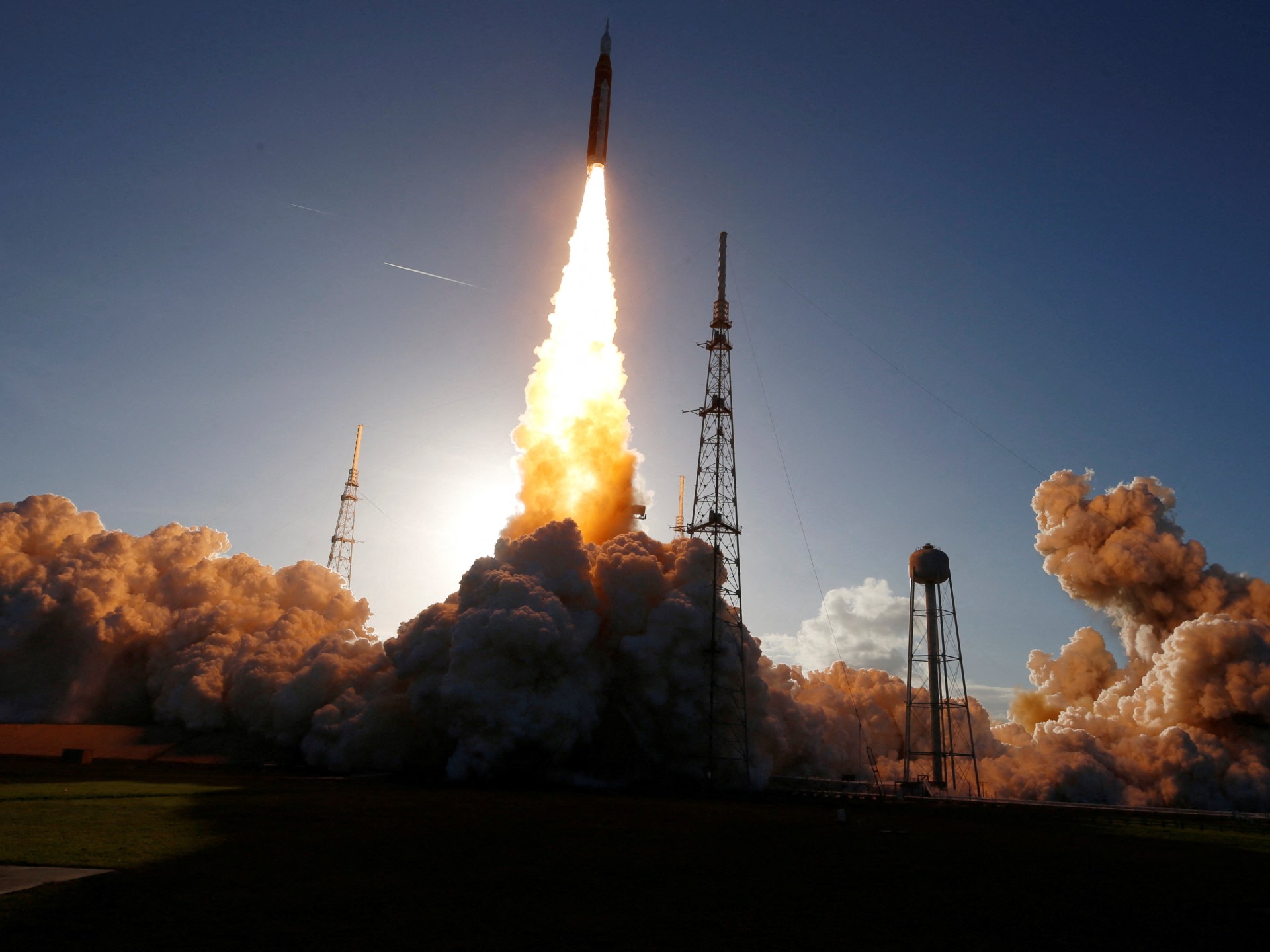
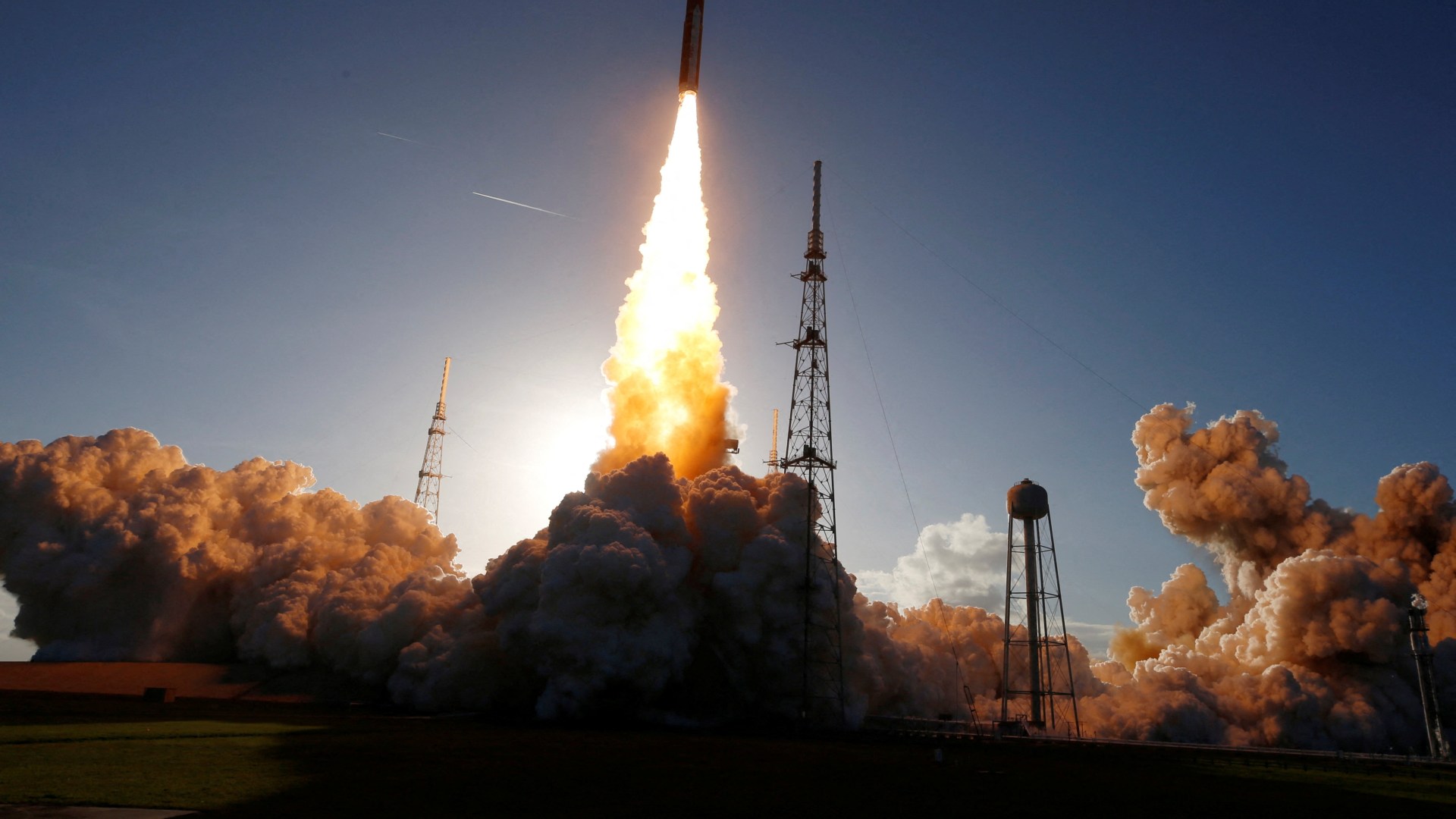
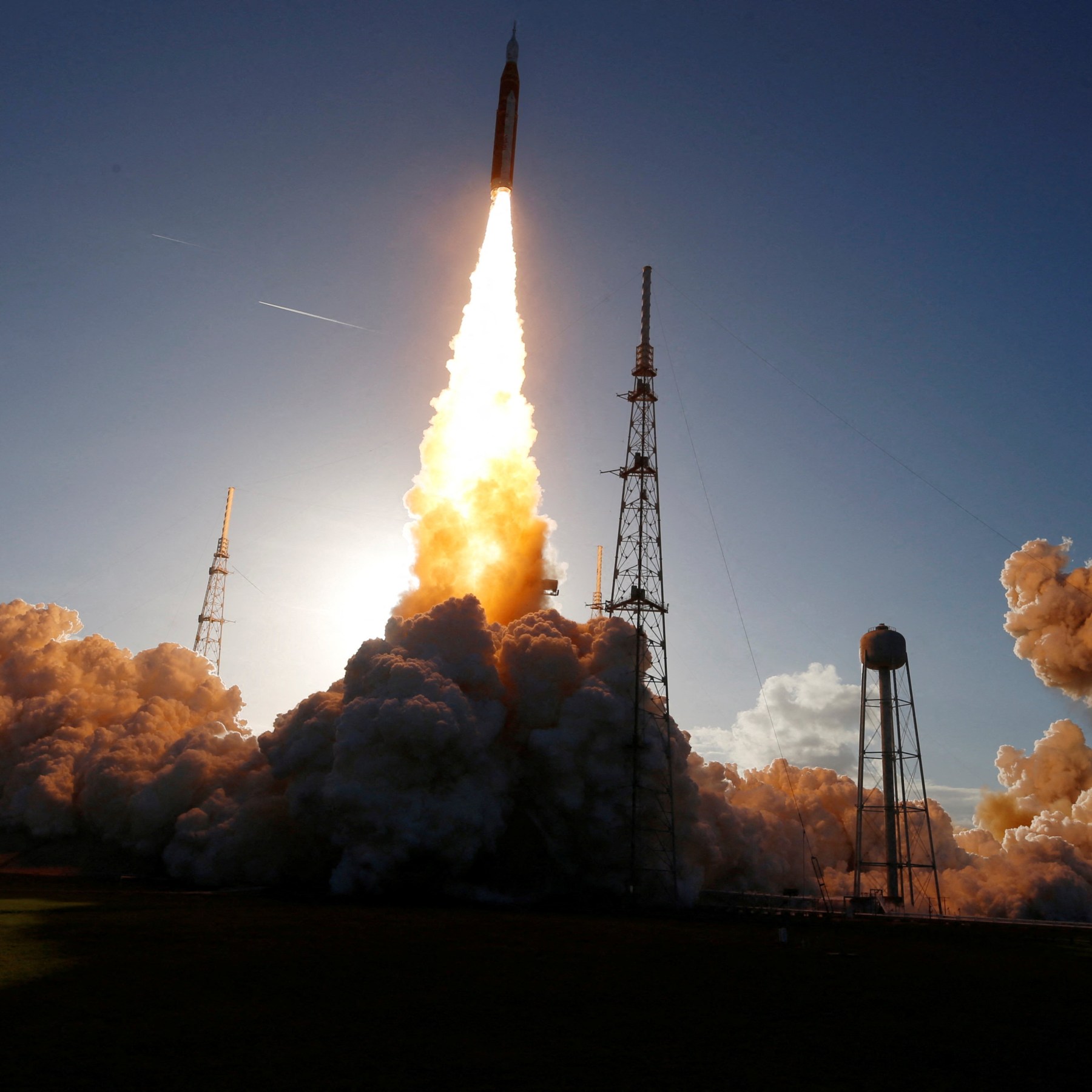
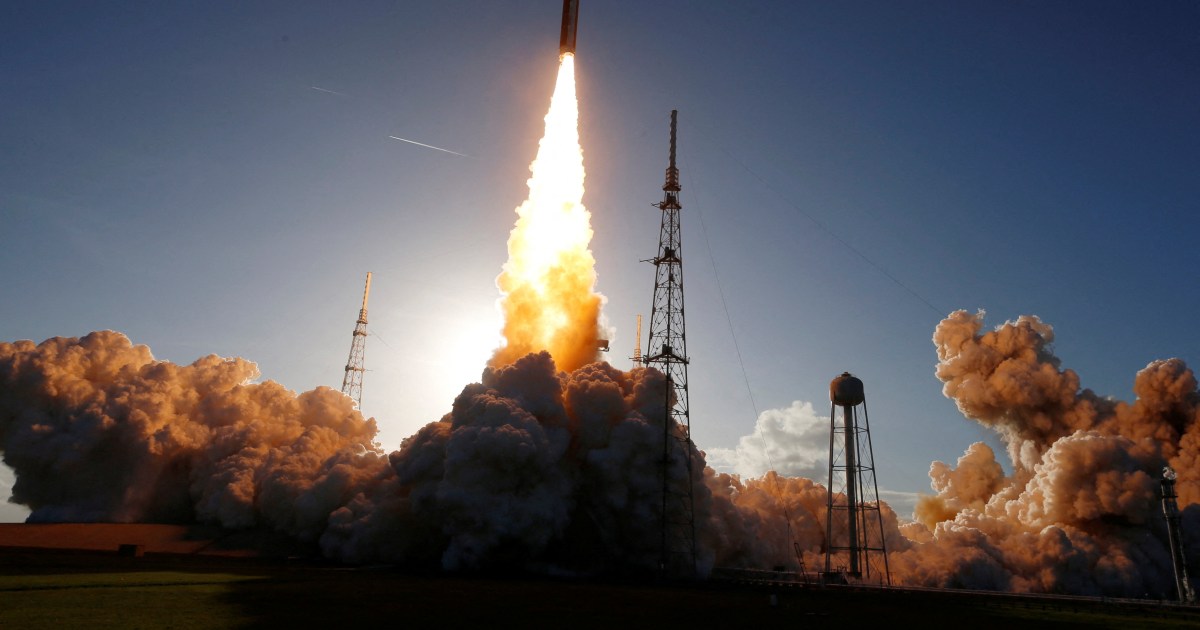
The Artemis II space mission has blasted off from the US state of Florida, sending four astronauts on a historic journey around the moon and marking the first time humans have travelled beyond low-Earth orbit in more than 50 years.

The mission, which launched on Wednesday, is a major step in the US space agency NASA’s plan to return humans to the moon and eventually send astronauts to Mars.

The 32-story rocket rose from NASA’s Kennedy Space Center where tens of thousands gathered to witness the liftoff.

The Artemis II crew – NASA astronauts Reid Wiseman, Victor Glover and Christina Koch, and Canadian Space Agency astronaut Jeremy Hansen – are set for a nearly 10-day journey around the moon and back, taking them farther into space than humans have travelled in decades.

“On this historic mission, you take with you the heart of this Artemis team, the daring spirit of the American people and our partners across the globe, and the hopes and dreams of a new generation,” said Charlie Blackwell-Thompson, the launch director. “Good luck, Godspeed Artemis II. Let’s go.”

Five minutes into the flight, Wiseman, the commander, saw the team’s target: “We have a beautiful moonrise, we’re headed right at it,” he said from the capsule.

Tensions were high in the hours leading up to the launch as hydrogen fuel began flowing into the rocket, a critical phase that had caused a dangerous leak during a countdown test earlier this year and forced a lengthy delay.

To NASA’s relief, no significant hydrogen leaks were detected this time. The launch team successfully loaded more than 700,000 gallons (2.6 million litres) of fuel into the Space Launch System rocket on the pad, a smooth operation that set the stage for the Artemis II crew to board.

NASA also had to resolve several technical issues ahead of liftoff but was able to clear them without delaying the launch. One issue involved commands not getting through to the rocket’s flight-termination system, which is designed to send a self-destruct signal if the rocket veers off course and threatens populated areas.

That issue was quickly resolved, according to NASA. Engineers also troubleshot a battery in the Orion capsule’s launch-abort system after its temperature readings fell outside the expected range, but the problem was fixed and did not prevent the launch from going ahead.

The astronauts will spend the first one to two days in high Earth orbit carrying out extensive systems checks, including testing Orion’s life-support, propulsion, navigation and communications systems to make sure the spacecraft is ready for deep space.

Once those checks are complete, Orion will perform a critical engine burn known as translunar injection, which will send the spacecraft out of Earth orbit and onto a trajectory towards the moon.

The journey will take several days, during which the crew will continue monitoring spacecraft systems as they travel farther from Earth than any humans have gone in decades.

Orion will then fly behind the moon on a free-return trajectory, a path that naturally swings the spacecraft back towards Earth using the gravity of both the moon and Earth, with minimal fuel required. During this phase, the spacecraft will reach its greatest distance from Earth.

After the lunar flyby, the crew will spend several days travelling back to Earth while carrying out additional deep-space tests on power systems, thermal controls and crew operations.

As Orion approaches Earth, the capsule will re-enter the atmosphere at speeds of about 40,233km/h (25,000(miles per hour), before splashing down in the Pacific Ocean, where recovery teams will retrieve the crew.

With half the world’s population not yet born when NASA’s Apollo astronauts last walked on the moon, Artemis is being presented as a new generation’s moon mission.

“There are a lot of people who don’t remember Apollo. There are generations who weren’t alive when Apollo launched. This is their Apollo,” NASA science mission chief Nicky Fox said earlier this week.