yahoo Press
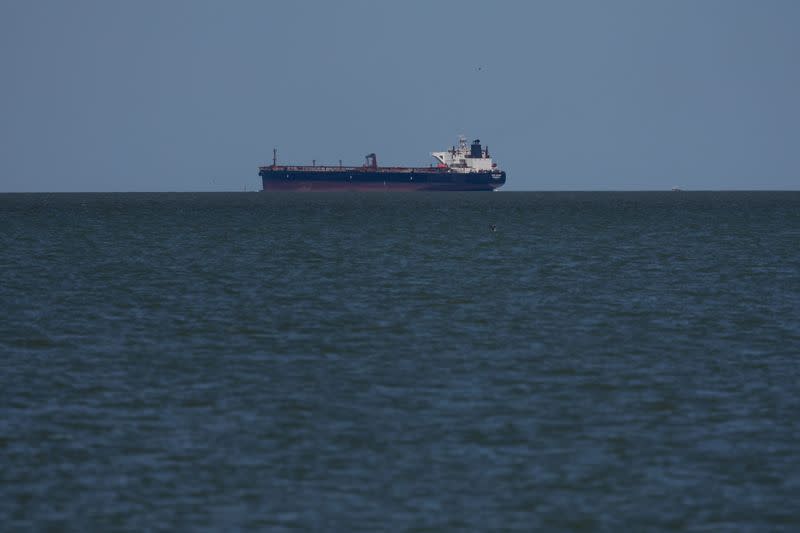
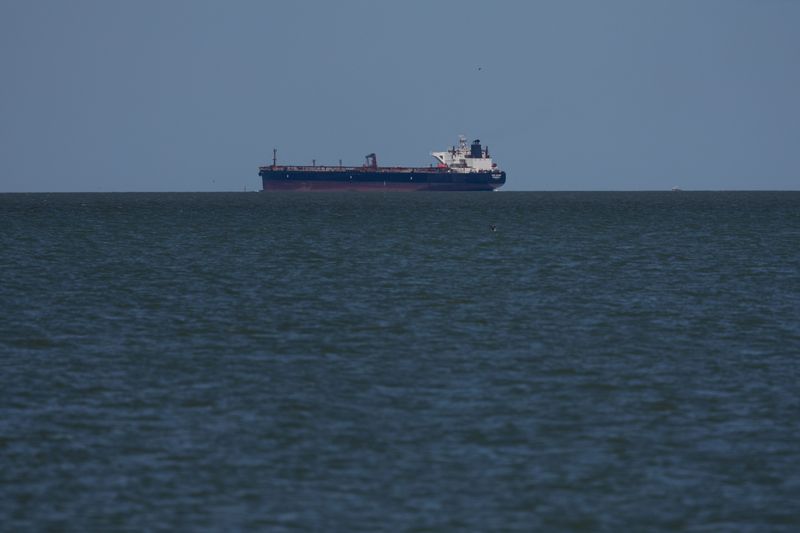
US Gulf Coast tanker market tightens as Asia seeks to replace lost supply
Images
1 / 4
2 / 4

3 / 4

4 / 4
By Anushree Mukherjee and Shariq Khan April 1 (Reuters) - Oil tanker availability along the U.S. Gulf Coast has dropped sharply in recent weeks, as Asian and European refiners cut off from Middle Eastern supply have been snapping up vessels to import oil and fuel from the United States, shipping analysts and traders said. The Iran war has stalled tanker movements through the Strait of Hormuz, curbing the flow of Middle Eastern oil to Asia and Europe, and prompting refiners there to buy replacement barrels from the United States, Brazil and West Africa. Wider discounts on U.S. crude oil compared to global benchmark Brent crude have spurred demand for tankers in the U.S. Gulf Coast, reducing vessel availability in the region, said Aristidis Alafouzos, chief executive officer of Okeanis ECO Tankers. U.S. West Texas Intermediate crude futures for June delivery were trading at an over $10 discount to June Brent futures on Wednesday. "The resulting surge in freight rates is unprecedented, with Suezmaxes and Aframaxes earning upwards of $300,000, compared to an average $60,000 over the past five months," Alafouzos said. POTENTIAL COST TO CONSUMERS Skyrocketing freight rates increase the cost of moving oil and fuel around the world, which analysts fear could hit economic activity as the prices get passed on to consumers via the cost of everyday goods. Net vessel availability along the U.S. Gulf Coast has declined 41% over the past month, according to data from The Signal Group, a shipping analytics platform. Availability of Very Large Crude Carriers (VLCC), which can carry around 2 million barrels of crude, halved to 10 vessels as of last week, from 20 on March 1, the data showed. Smaller Suezmax and Aframax vessels, which can load about 1 million and 750,000 barrels respectively, have also been in tight supply, The Signal Group data showed. Since the end of January, Suezmax tanker availability along the U.S. Gulf Coast has dropped by roughly 40-45%, while Aframax supply has dropped around 70% from a mid-February peak, said Maria Bertzeletou, senior market analyst at The Signal Group. The tightness has coincided with increased fixture activity on the U.S. Gulf Coast to Asia route, Bertzeletou said. The Signal Group data showed at least 10 vessels have been fixed to haul oil or fuel from the U.S. Gulf Coast to Asian markets over the last seven days, destined mainly for Pakistan, Korea and South China. The movement of cargoes from the West to the East, starting with VLCCs to Asia and then smaller sizes catering to European demand, gave birth to an unprecedented surge in freight rates, said Matias Togni, oil and shipping analyst at NextBarrel. (Reporting by Anushree Mukherjee in Bengaluru and Shariq Khan in New York; Editing by Emelia Sithole-Matarise)