huffpost Press
Conservatives Have A New Target In Their Campaign Against Kids
Images
1 / 4

2 / 4
3 / 4

4 / 4
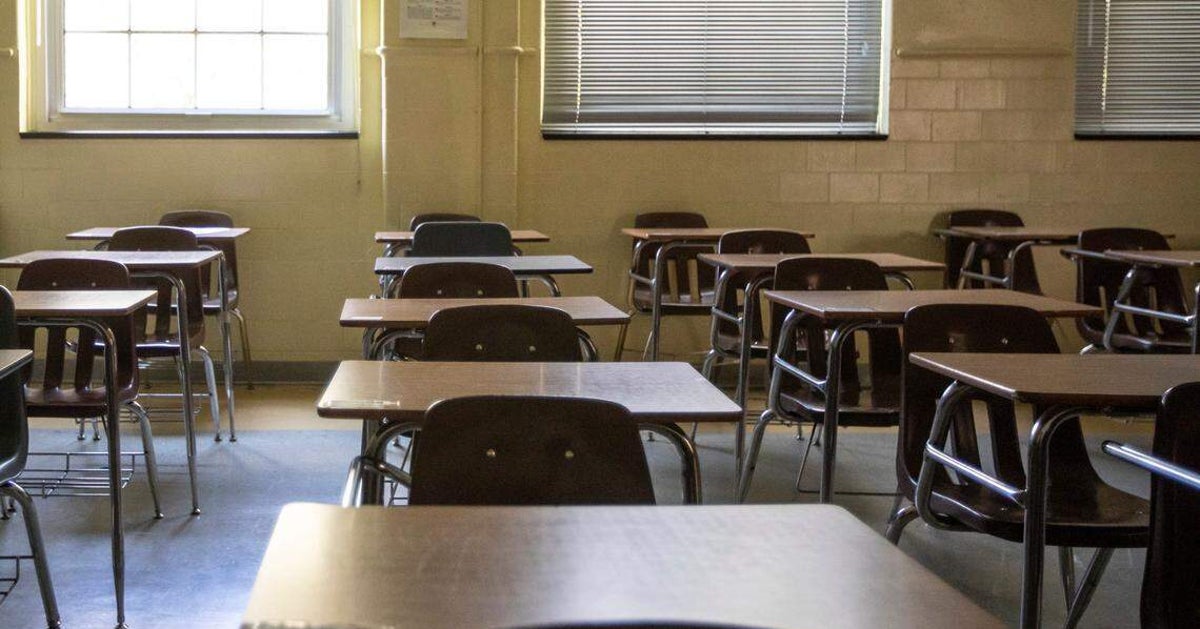
Conservatives are attacking a longstanding legal precedent that allows undocumented children to attend public schools.

The Supreme Court ruled in 1982’s Plyler v. Doe that undocumented immigrants are covered by the 14th Amendment, and that public schools had to let children without legal status attend. The decision has provided generations of children the right to an education.

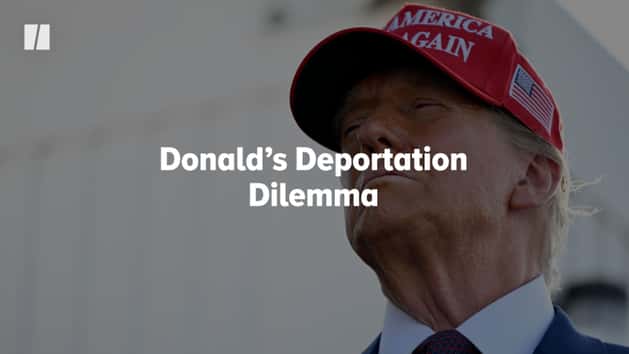
But some conservatives, emboldened by President Donald Trump’s hardline anti-immigrant agenda, are now looking to chip away at the ruling with the ultimate goal of overturning it. Doing so could threaten the education of more than 600,000 children, instill fear in immigrant families across the U.S., and further the ongoing right-wing campaign against public education.

Overturning legal precedent can’t be done overnight, but there’s a playbook.

Red state officials have been trying to get Christianity into public schools, despite the Constitution forbidding state-sponsored religion, by introducing bills designed to trigger a lawsuit that could make its way all the way to the Supreme Court. The conservative-majority court has been friendly to right-wing defendants, and has recently ruled in favor of Christian plaintiffs claiming they’re fighting for religious liberty.

And “[there are] not just reasons to believe that they’re going after Plyler, but several proof points that this is a central priority of conservatives in this administration,” said Alejandra Vazquez Baur, a fellow at the Century Foundation, a progressive research organization.

Several states, most of them Republican-led, have introduced bills that would put undocumented kids and their families in a precarious position when it comes to interacting with the school system.

Tennessee, Oklahoma, Idaho and Ohio have proposed measures to make parents provide information on their child’s immigration status when enrolling in school, information that could then potentially be used for enforcement tactics against families. Oklahoma’s and Idaho’s proposals died early in the process, but Tennessee’s and Ohio’s are working their way through committees. Meanwhile, bills to force undocumented students to pay tuition for normally free public schools and to outright ban them from schools were both introduced in Texas, though both failed. New Jersey is still weighing a bill to introduce public school tuition for undocumented kids, though the measure is likely to fail as the state government is dominated by Democrats.

“The whole system as we know it would change because it would be a system of enforcement, rather than a system of learning.”

There are other signs that this issue is gaining traction on the right. The Heritage Foundation, the far-right think tank behind Project 2025, put out a report last month urging states to pass laws that would challenge Plyler. Rep. Chip Roy (R-Texas) held a congressional subcommittee hearing last month on why the Plyler decision was incorrect — and how the decision allegedly harms taxpayers.

“It’s time we meet the moment to overturn Plyler v. Doe,” Roy said in his opening statement. “It’s time for Congress and the courts to address the glaring failures of this court decision and finally alleviate Texans and Americans alike from this burden.” He and other Republicans argued that undocumented children are straining resources at public schools across the country.

The same week as that hearing, Trump adviser Stephen Miller went to Texas to chastise lawmakers there for not passing the bills that would block undocumented children from going to school, according to The New York Times. Miller is behind much of the federal government’s aggressive and punitive immigration policies.

Barring undocumented kids from schools would have major consequences: It would put a target on immigrants worried about being detained or deported, decrease funding for public education, and generally shake communities’ trust in their schools.

“I think they see this as a way to undermine the power of public education,” said Leslie Villegas, a senior policy analyst for the education policy program at the research organization New America.

For years, conservatives have tried to erode the education system in the United States and hobble schools’ ability to function. Trump has gone so far as to try to shut down the Department of Education.

“Overturning Plyler would fundamentally change what public schools do,” said Vazquez Baur. “The whole system as we know it would change because it would be a system of enforcement, rather than a system of learning.”

Immigration enforcement at school can have detrimental effects on the children there, no matter what a student’s legal status is. When Trump sent thousands of ICE agents to patrol Minneapolis, educators reported that many children simply stopped coming to school out of fear that immigration officials could track them at school and go after their families.

Losing undocumented kids could destroy many schools’ budgets. States often provide school funding based on enrollment or attendance, and less enrollment means less money. That, said Vasquez Baur, means “fewer teachers for each of the children enrolled, fewer books and updated technology to meet their needs. All because some conservatives want to say these kids can’t enroll.”

Resources provided by the federal government are usually based on need or given out in the form of grants for specific programs, like services that help English language learners meet academic standards.

Plyler critics seem to believe that children who are not U.S. citizens are putting a strain on their schools by using such services. But 75% of kids who use ELL services at school are American citizens, and immigrants pay taxes that support the schools that their children attend.

“They pinned their argument on the financials, but the financials don’t support their case,” Villegas said.

After Tennessee first introduced a bill that would block undocumented kids from public schools, a state government review found that Tennessee could lose more than $1 billion in federal funding. (Republican State Rep. William Lamberth, the bill’s sponsor, said at a hearing that he never got a clear answer from the Trump administration on how much federal funding the state could lose if they went ahead with the original bill.)

The bill was then watered down to focus on tracking, not removing, undocumented kids.

“I think this is about who they believe should have access to an education,” Villegas said. “What we’re hearing and seeing is that the vision doesn’t include immigrant kids, regardless of citizenship.”

Overturning Plyler because a class of students are seen as a “burden” would set a very dangerous precedent, advocates say.

“It could be very easy for them to apply the same logic to other groups of students whose needs require different resources, such as students with disabilities,” Vazquez Baur said.

“That should be a big red flag not just for progressives, but for anybody that cares about a society that’s based on equality.”

By entering your email and clicking Sign Up, you're agreeing to let us send you customized marketing messages about us and our advertising partners. You are also agreeing to our Terms of Service and Privacy Policy.