yahoo Press
Archaeologists Discovered the Remains of One of the Largest Christian Monasteries Ever
Images
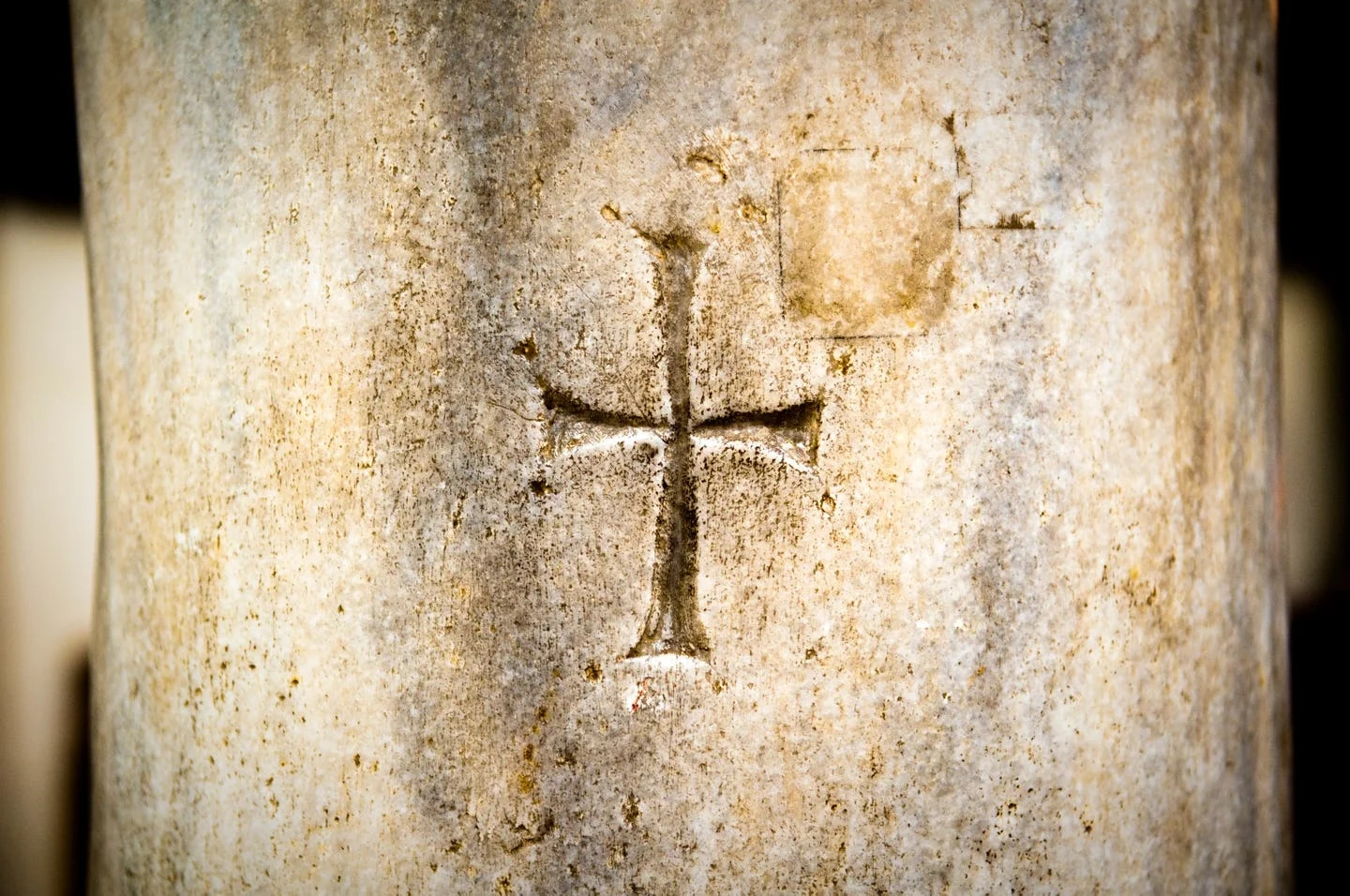
1 / 10
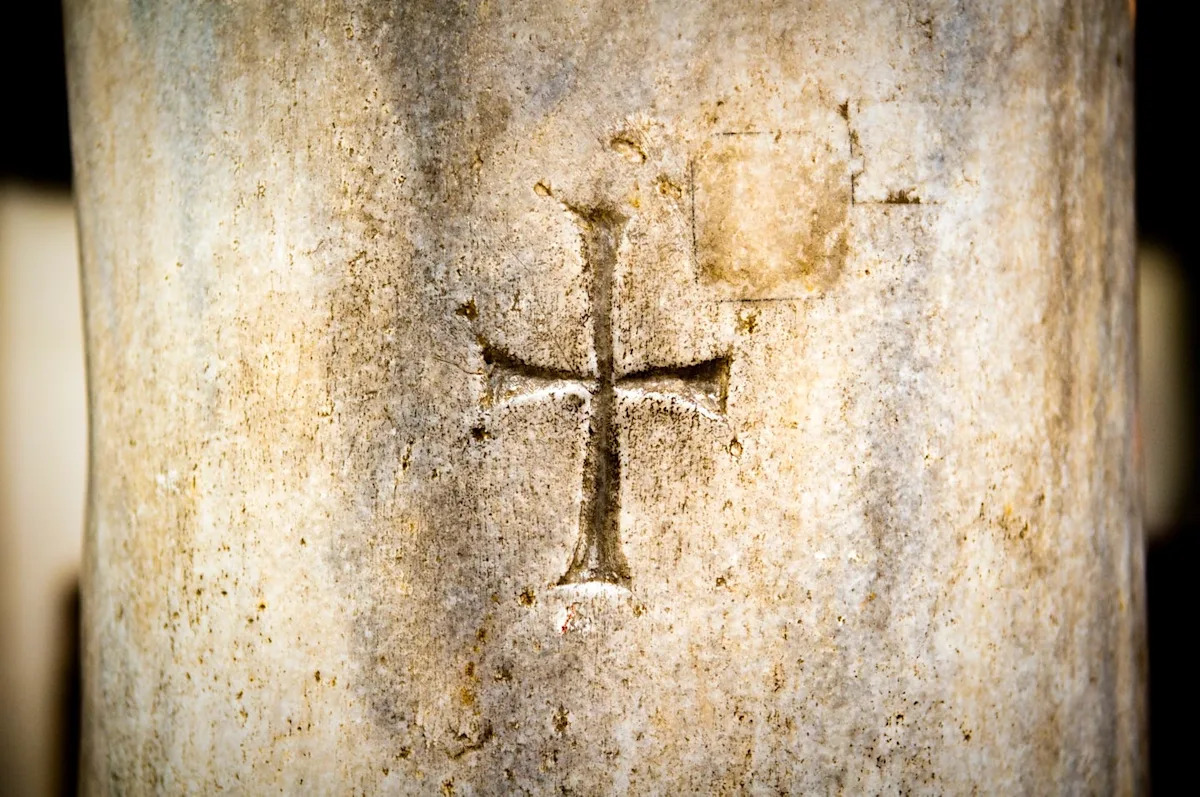
2 / 10

3 / 10

4 / 10

5 / 10

6 / 10
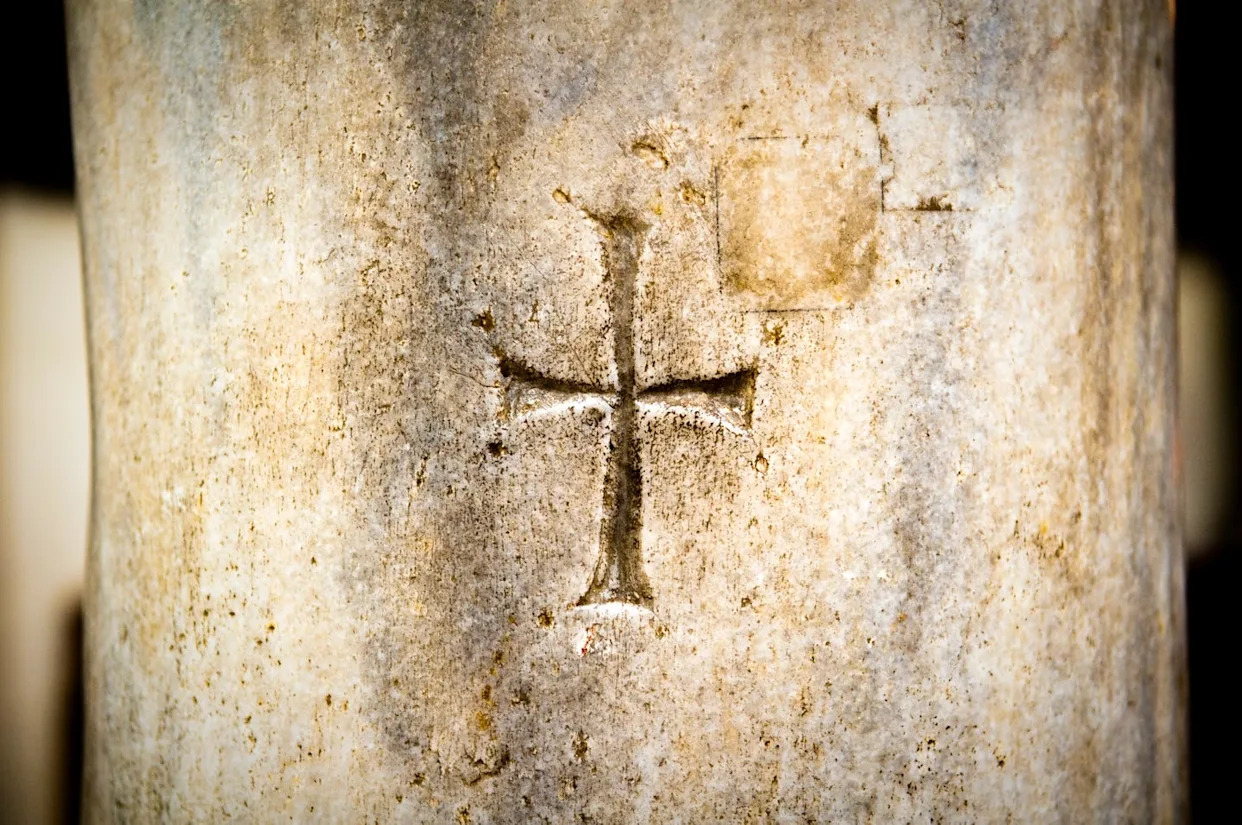
7 / 10

8 / 10

9 / 10

10 / 10
Here’s what you’ll learn when you read this story:

Egypt began to transition to Christianity shortly after the turn of the first century C.E., and by the fifth century, it was a hub of Coptic art and culture.

A Coptic monastery discovered at the Al-Qalaye archaeological site is now the second-largest known monastic complex in Christian history.

Found in the ruins of the complex were columns and their foundations, pottery vessels and fragments, a limestone cross, and a receiving hall for guests.

Egypt often brings to mind visions such as the Sphinx, Tutankhamun’s iconic gold death mask, or pyramids casting long shadows over the Giza Plateau, but life went on after the last of the pharaonic dynasties vanished. It was the dawn of a new era. After the advent of Christianity, religious beliefs in Egypt shifted, and with it, the megalithic statues of gods from the old pantheon gave way to new churches and monasteries rising up from the sands. More of them are now being unburied.

After the rule of the Ptolemies ended, Egypt found itself in a tumultuous transitional period. Christianity was brought to the former land of the pharaohs by Saint Mark the Evangelist around 49 C.E. Christianity became more widespread under the leadership of Bishop Demetrius of Alexandria almost 200 years later, though its followers faced persecution under Roman rule until Emperor Constantine declared it the state religion in 312 C.E. Theological scholars flocked to Alexandria for centuries, though competition with the newer Christian capital of Constantinople (now Istanbul), along with controversies over religious doctrine, led to Egyptian Coptic Christians breaking from the Roman Catholic Church and the Greek Orthodox Church during the 5th century C.E. Coptic art and culture continued to flourish despite the rift.

While excavating at the Al-Ruba’iyat area of the Al-Qalaye site in Hosh Issa, archaeologists discovered what is now thought to be one of Egypt’s oldest monasteries, dating back to the 5th century. Monasteries were beginning to turn into epicenters of Christian learning, opening their doors to visitors, and moving away from the sometimes-brutal asceticism followed by early monks, which demanded isolation and extreme discipline. As archaeologists dug through the dust and sand, the remains of the monastery at Al-Qalaye revealed thirteen rooms divided by architectural arches, including individual and communal spaces for monks, kitchen and storage areas, and larger halls used for teaching and hospitality. The archaeological team also noticed that there had been several additions to the structure as its evolution continued over time.

Earlier archaeological missions at the site had also found clusters of monastic cells or “manshubiyat” along with service buildings and pottery. The monastery bustled with activity in its prime. Led by archaeologist Samir Rizq Abdel-Hafez, the excavation project found a spacious hall on the north end, with stone benches decorated in plant motifs, which were probably used for receiving guests. At the heart of the complex was a sacred prayer room marked by a limestone cross. Bones of birds and other animals, seashells, and pottery vessels meant for food storage showed what the monks ate on a daily basis. The monks spent their entire lives practicing devotion. They were also likely buried on site, as evidenced by a headstone carved from limestone with a Coptic inscription reading “Apa Kyr, son of Shenouda.”

The mission has also yielded many preserved remnants of Coptic art, including walls covered in murals of monks framed by intricate braided patterns that had been painted in red, black, and white shades that faded over the centuries. There was more inspiration from the natural world on display in images of gazelles surrounded by foliage and distinctive flowers with eight petals. Fragments of ceramics are painted with similar motifs, and deeper digging exposed a marble column along with capitals and bases of other columns.

Hisham El-Leithy, Secretary General of the Supreme Council of Antiquities, sees the monastery as giving further insights into Coptic art and architecture. Another mission from the Council previously came upon an older architectural complex from the period when Egypt segued from paganism to Christianity. Located at the Ain al-Kharab site, it held ruins from the city of Kharga Oasis, including churches, cemeteries, and residential buildings, as well as a mural of Christ healing a sick person. Both the city and the monastery will continue to tell us more about early Coptic culture and art as more structures and artifacts are discovered.

You Might Also Like

20 Cars That Were Massively Improved by a Redesign

Going on Vacation? These Appliances Need to Be Unplugged Before You Leave the House

Roborock Reigns Supreme for Robot Vacuums, but We Also Loved These Other Models