Press
F1's new rules: The thorny issues facing the sport over racing, qualifying and safety
Images
1 / 20
2 / 20
3 / 20
4 / 20
5 / 20
6 / 20
7 / 20

8 / 20
9 / 20

10 / 20

11 / 20
12 / 20

13 / 20

14 / 20

15 / 20

16 / 20

17 / 20

18 / 20

19 / 20
20 / 20
Closer racing with more overtakes has been a feature of Formula 1 so far in 2026, but the rules that have allowed that to happen have had consequences in other areas

The month-long break forced on Formula 1 by the war in the Middle East is a time for reflection after a controversial and incident-packed first three races following the introduction of the biggest rule change in history.

Even before the new cars ran for the first time, there was intense debate about the merits of a set of regulations that have created an entirely unfamiliar version of racing. That has continued since the season started.

Engines with a 50-50 split between internal combustion and hybrid power - complete with 'overtaking' and 'boost' modes - have led to accusations of artificiality.

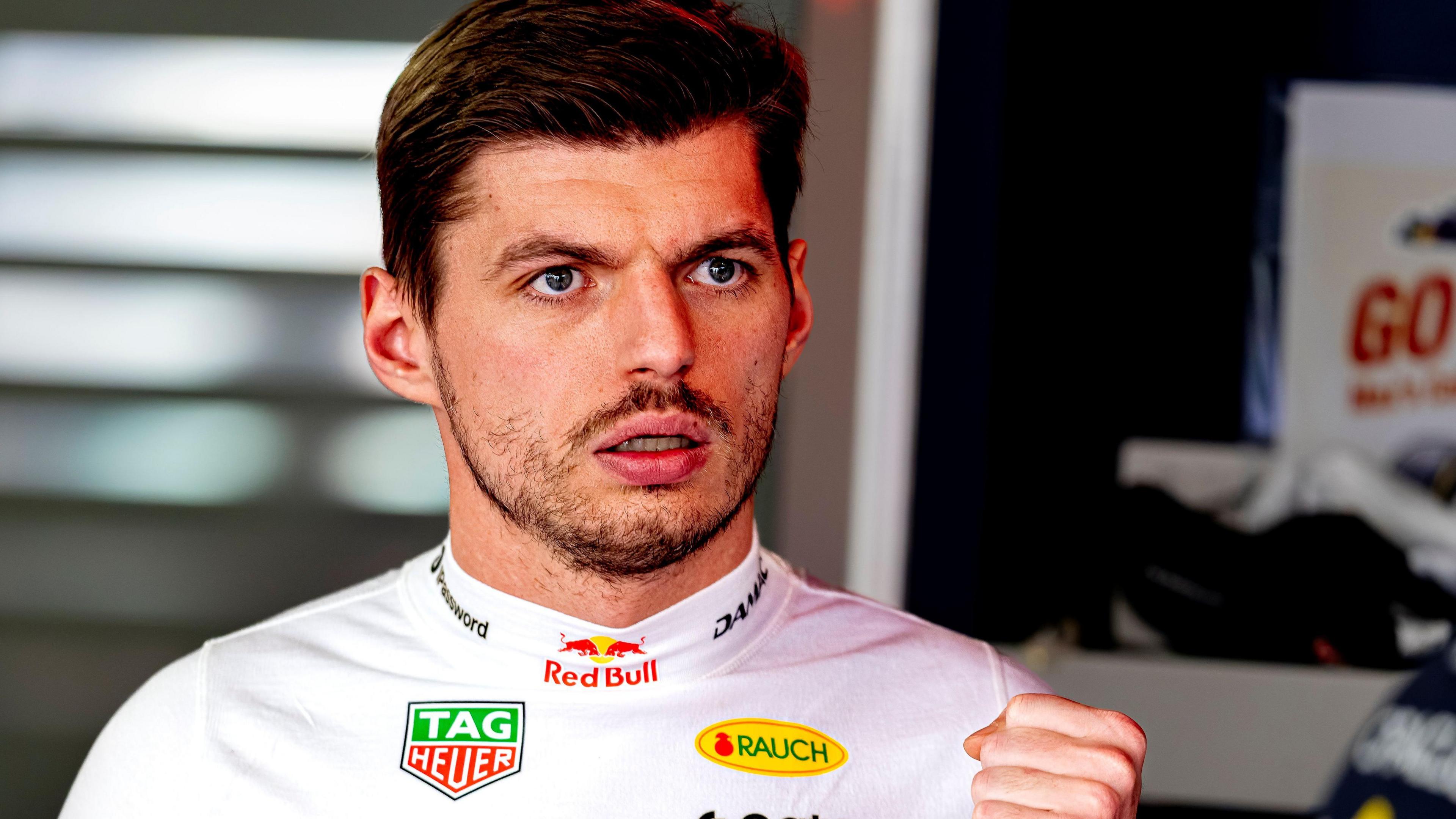
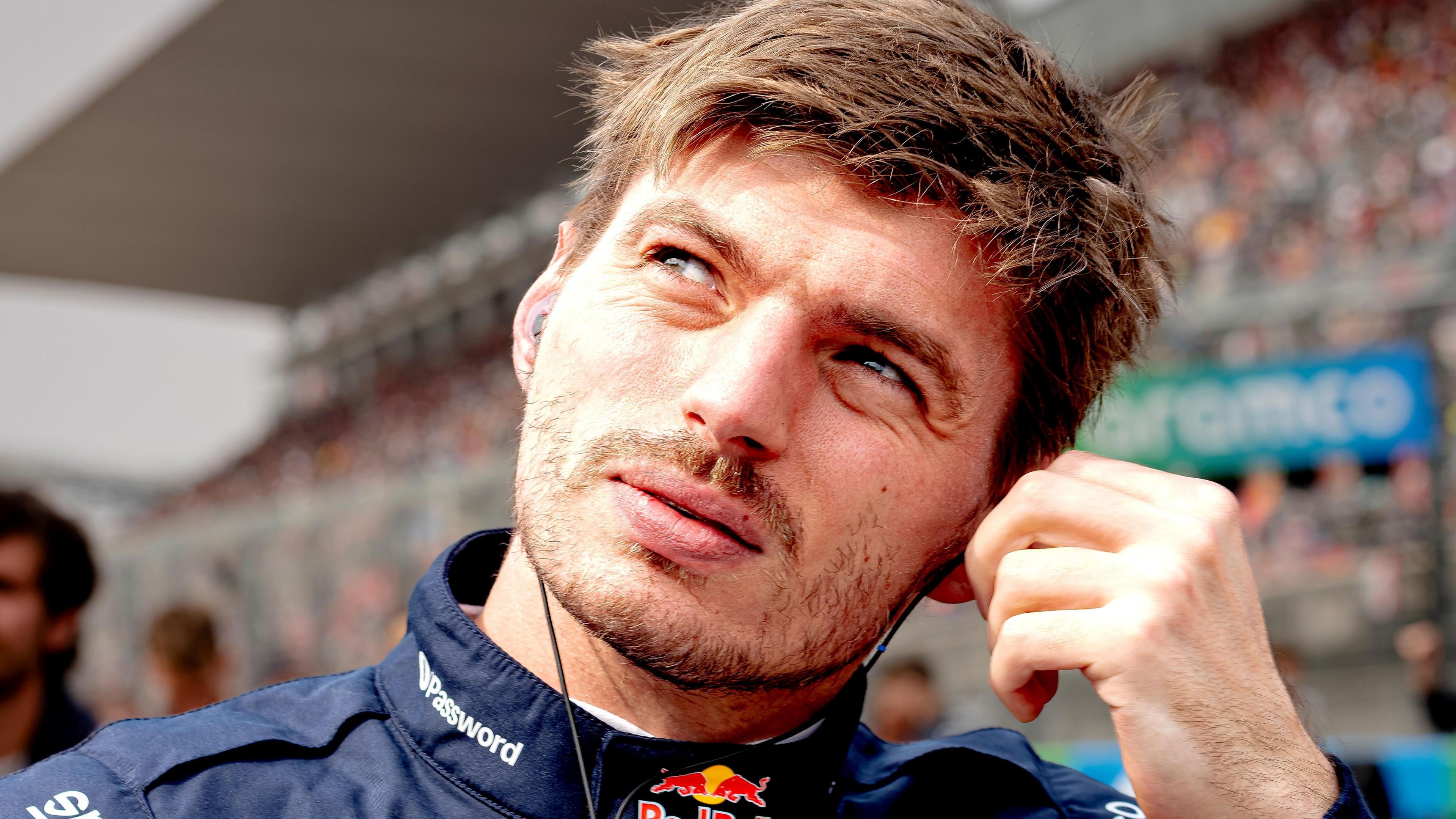
Critics including four-time world champion Max Verstappen have likened the new F1 to the Mario Kart computer game, and gone as far as to call it "a joke".

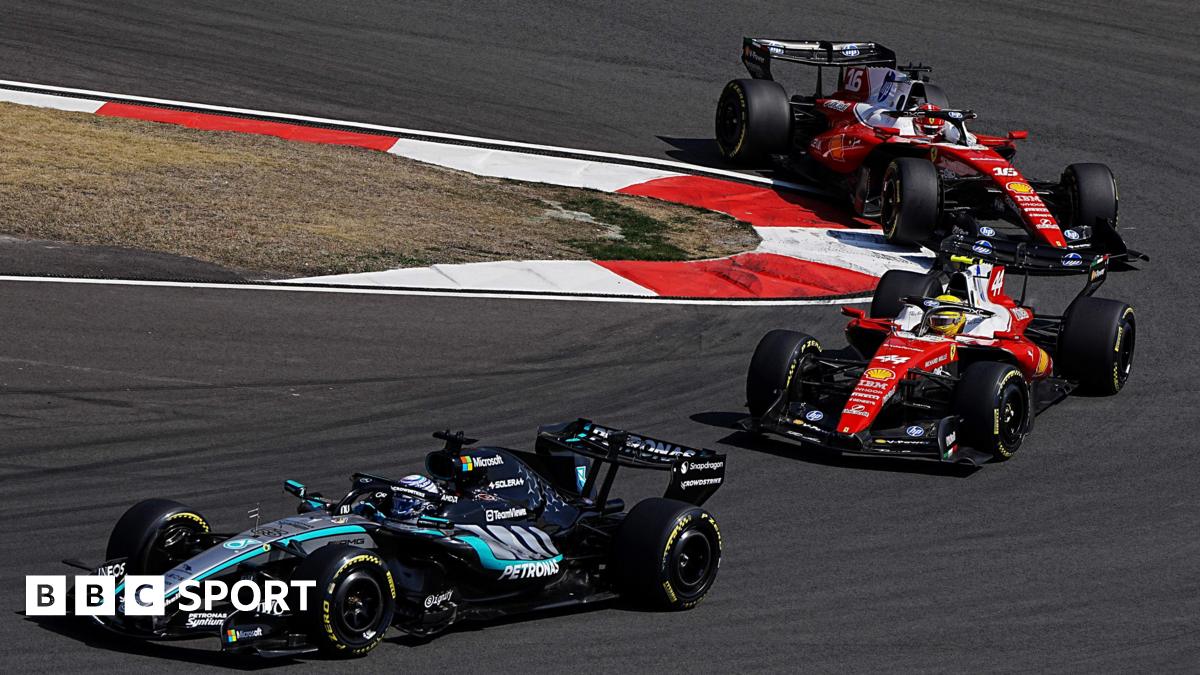
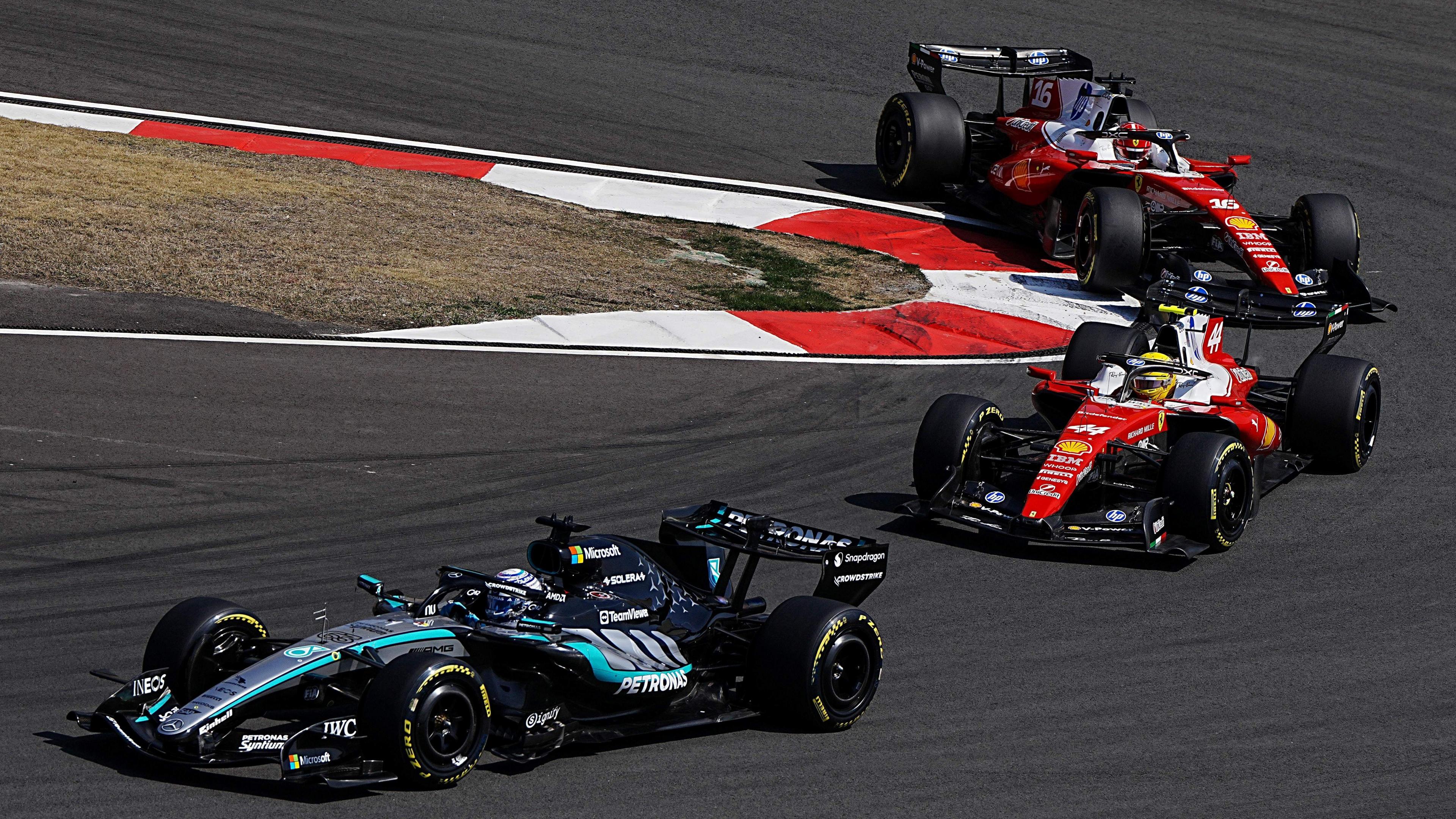
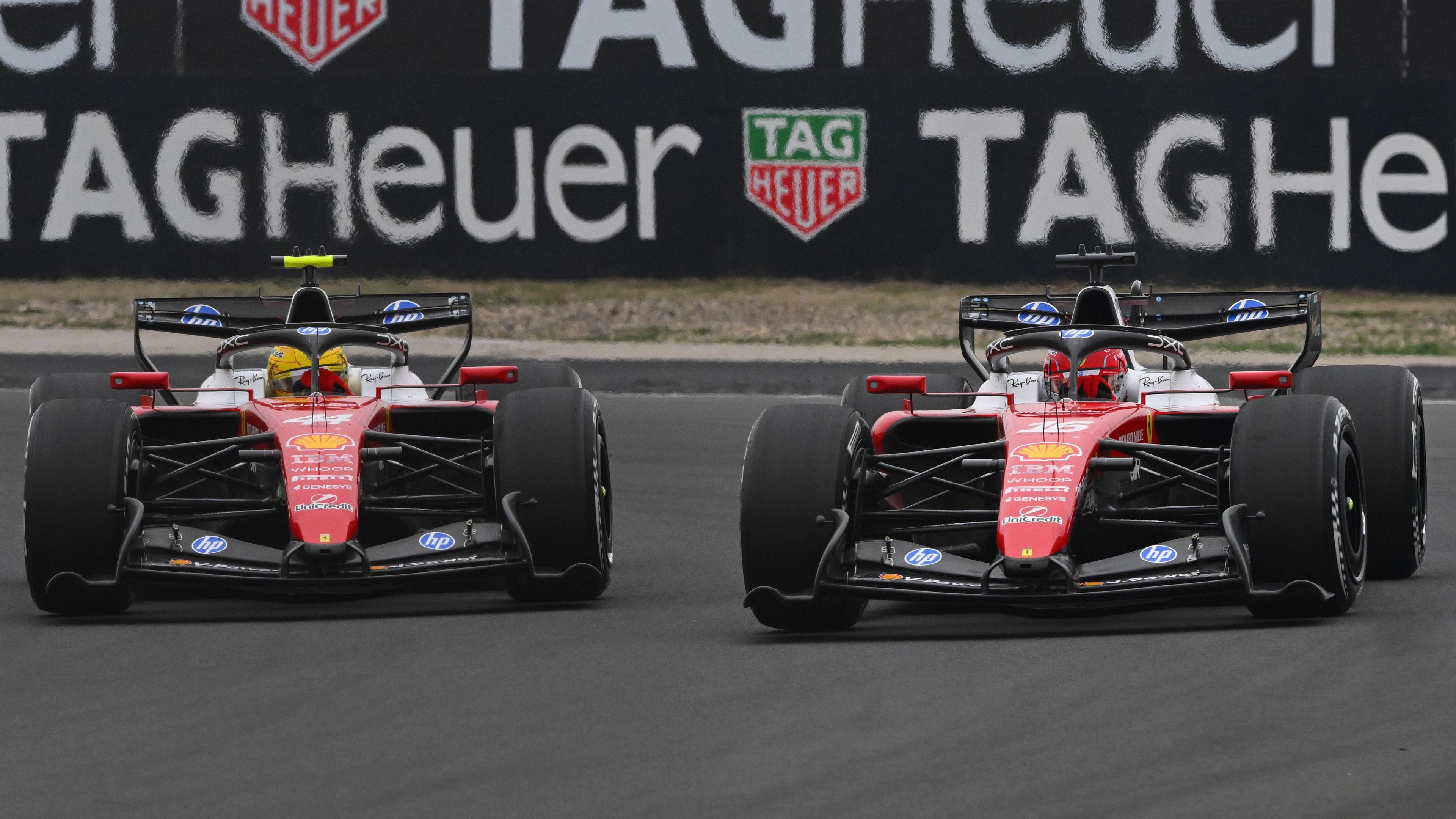
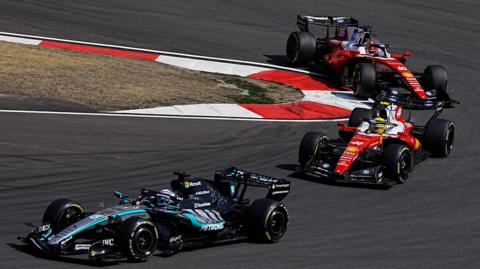
At the same time, Lewis Hamilton has described his fight with Ferrari team-mate Charles Leclerc during the Chinese Grand Prix as "the best battle" he has had for more than 10 years, and "like racing should be".

Hamilton, though, like all of the drivers, has misgivings about the way the new engines have diminished the importance of their skills.

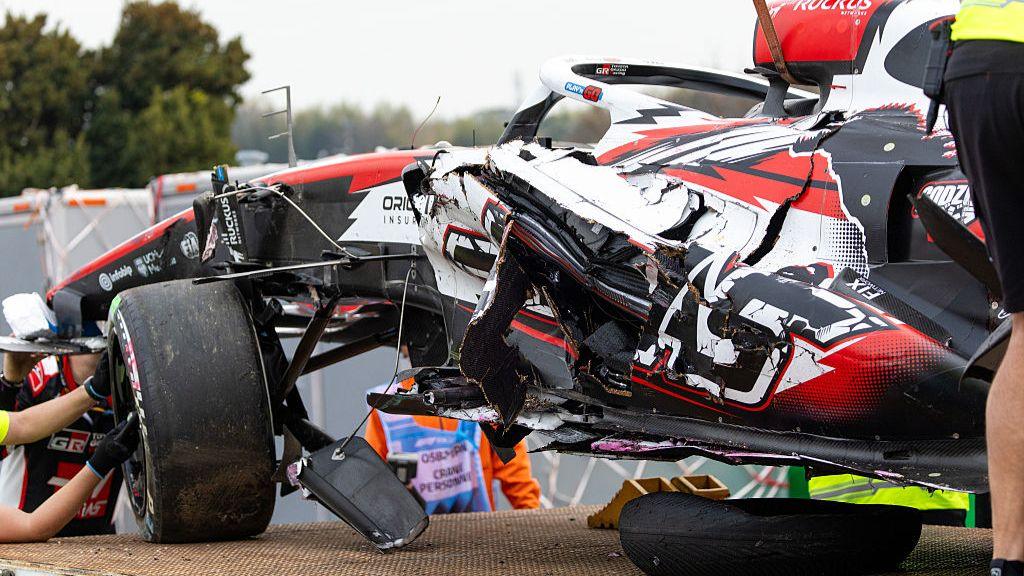
And Oliver Bearman's frightening 191mph crash during the Japanese Grand Prix has focused minds on long-held concerns voiced by the drivers about the speed differentials inherent in the way the cars and rules operate.

Let's take stock of the lessons of the first month of the season, with regards to racing, qualifying and safety.

The Ferraris of seven-time champion Lewis Hamilton (left) and Charles Leclerc battled over third position during the Chinese Grand Prix, with the Briton eventually coming out on top

The way the chassis rules have been adapted to fit in with the demands of the new engines has changed the nature of racing in F1.

The need for both front and rear wings to open to increase the amount of energy harvesting possible meant a replacement was needed for the DRS overtaking aid, which had made passing easier since 2011. The result was modes known as 'overtake' and 'boost'.

'Overtake' mode gives a driver within a second of the car in front the ability to harvest 0.5 megajoules more electrical energy per lap.

In combination with the 'boost', which allows the driver to override the car's programmed systems to have maximum electrical energy on demand, this has led to what has been referred to as "yo-yo racing".

In the past, once a car overtook another, that tended to be that. This year, battles have been going on for several laps, with cars passing and re-passing, as the energy advantage switches between the two cars.

Verstappen has derided this as "anti-driving", bBut many of his colleagues have said they quite enjoy it.

Hamilton said: "If you go back to karting, it's the same thing. People going back and forth, back and forth - you can never break away.

"No-one has ever referred to go-karting as yo-yo racing. It's the best form of racing, and Formula 1 has not been the best form of racing in a long, long time."

Many others, though, are in the middle - recognising the superficial appeal of the new F1, but feeling uncomfortable about it at the same time.

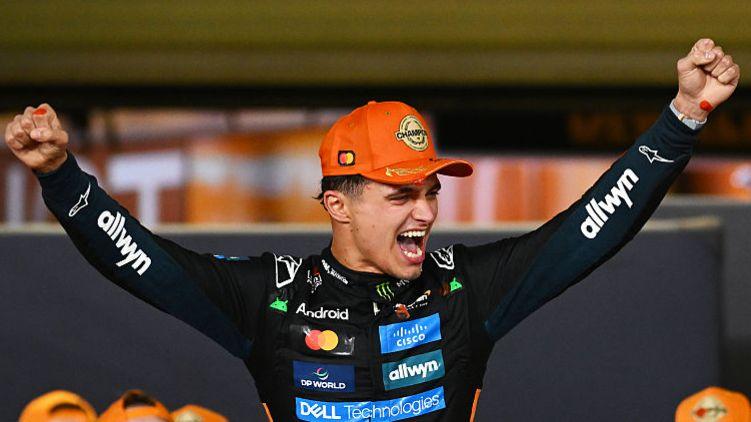
World champion Lando Norris said: "It looks great on TV and the viewers seem to love it. A lot of people seem to love it. Part of me is like, you know, that's a good thing.

"But some of that racing is because simply the guy who overtakes, because he has to use the battery, then has absolutely zero battery and you're just a complete passenger and you can't do anything.

"So, you're not exactly racing when you're in that situation as well as you were before. It depends on what you want... depends how you want to view it."

There are two ways of looking at a racing driver's job.

Primarily, it is to get whatever car they have been given around a lap as fast as possible. In that sense, nothing has changed.

But on a more philosophical level, F1 is meant to be the ultimate challenge - the driver taking their machine and themselves to the limit of what is possible. In that sense, it very much has changed.

There is almost unanimous agreement that the challenge of a flat-out qualifying lap has diminished as a consequence of the demand for energy management. To the extent there is no longer such a thing as a flat-out lap.

Some of the sport's most challenging corners have been made less demanding because they are now what Fernando Alonso has referred to as "charging zones".

On some circuits, drivers are having to 'lift and coast' - lifting off the accelerator before corners so the electric motor can run against the engine - on qualifying laps to produce the best all-round performance.

Suzuka, which hosted the Japanese Grand Prix last weekend and is regarded as possibly the most challenging circuit on the calendar, was a test case for the new rules. And in the eyes of the drivers, the rules failed it.

The Esses - perhaps the most technically demanding piece of racetrack on the planet - was designated a "zero kilowatt zone", where teams could deploy no electrical energy.

That meant the engines operated at more or less half power through there. The speed changes in between corners were not very much different from before, and the corners were still grip limited, but it changed the nature of the challenge.

Worse were the two Degner corners.

As McLaren team principal Andrea Stella put it: "Degner One has always been one that the drivers will mention in a season. Like, what are the most challenging corners? That's one of those.

"Now, you think about the battery as you go through the corner, you don't think about gaining half a tenth just by committing to it. It is now a corner in which you almost lift and roll through, and then you have to avoid going on power between Degner One and Two, because that way of using your battery would not be efficient."

The same applied to the entry to Spoon Curve, and through Turns One and Two.

Norris said a lap of Suzuka "still feels special" but admitted it "hurts the soul" to lose, as the cars were, about 37mph from the high-speed 130R kink until braking for the chicane because the car had run out of electrical power.

Leclerc, meanwhile, swore over the radio to his team after Saturday's session, saying: "I honestly can't stand these new rules in qualifying. I go faster in corners, I go on throttle earlier... I'm losing everything in the straight!"

Essentially, drivers are having to do a series of actions in qualifying that McLaren's Oscar Piastri has described as "counter-intuitive".

Leclerc said: "Consistency is paying off more than being brave and going to take something that you've never tried before, which is a shame and which makes qualifying a little bit less challenging. This is something we need to work on.

"It's a known issue. It's not that the FIA or the teams are just accepting the situation as it is. There's a lot of work behind the scenes and I hope that we can find a solution as soon as possible."

Briton Oliver Bearman suffered a right knee contusion as a result of his 50G crash at Suzuka

Bearman's crash in Suzuka has brought to the forefront concerns drivers have been expressing for quite some time - the danger that arises from the significant speed offsets created in races by the new engines.

The electrical part of the engine provides 350kW (470bhp). But the battery drains in about 11 seconds at full throttle. Hence the need for regular recharging events.

What that means is that if one car is still deploying energy when another is recovering, there is a near-500bhp offset in engine power - and a consequent massive speed differential.

That's what led to Bearman losing control when he came across Franco Colapinto's Alpine going more than 30mph slower than him on the approach to Spoon Curve.

After the race, the drivers were distinctly unimpressed by what they perceived to be the lack of attention devoted to this issue, which they have been raising through their union - the Grand Prix Drivers' Association (GPDA) - since the detail of these rules became clear.

Williams' Carlos Sainz - one of the directors of the GPDA along with George Russell and chairman Alex Wurz - said: "I was so surprised when they said: 'No, we will sort out qualifying and leave the racing alone because it's exciting.'

"As drivers, we've been extremely vocal that the problem is not only qualifying, it's also racing."

Referencing the nature of Suzuka and comparing it with street circuits with high-speed straights to come later in the season, Sainz added: "Here we were lucky there was an escape road. Now, imagine going to Baku or Singapore or Vegas and having these kind of closing speeds and crashes next to the walls.

"As GPDA we've warned the FIA these situations are going to happen a lot with this set of regulations and we need to change something soon if we don't want them to happen.

"I hope it serves as an example… to the teams and people that said the racing was OK, because the racing is not OK."

All you need to know about new F1 cars

F1's bosses have a number of meetings before the next race in Miami at which they intend to find some short-term solutions to these issues that can be applied immediately, and some longer-term ones that might come into force for next year.

The problem is, as Stella says: "I don't think a simple solution exists."

And one of the reasons for that the rules are incredibly - many would say unnecessarily - complex.

When the basics of the rules were first conceived, it quickly became apparent the fastest way around a lap would be to deploy all electrical power at the start of straights to attain the maximum speed as soon as possible, then go into recovery mode.

But the FIA was concerned that speed drop-off in the second part of the straights would be so extreme F1 would have an image problem. So it introduced a 'ramp-down rate' which defined the time period over which the electrical energy could run out.

Once that had been imposed, a whole bunch of other complexities were also introduced.

One of those was to limit the amount of recovery when a car was recharging but on full throttle - known in F1 jargon as 'super-clipping' - to 250kW rather than the maximum permitted recovery rate of 350kW. The maximum rate was accessible only when a driver had lifted off the throttle and the wings had closed.

Beyond that, there are 'zero kilowatt zones', 'power-limited periods' and a series of other intricacies that many in F1 believe have made the rules far too convoluted.

Mercedes engine boss Hywel Thomas is just one of the senior engineers who believes some of this complexity will need to be unravelled to fix qualifying.

But fixing qualifying could have knock-on issues for racing. For example, if the 350kW super-clip is allowed, that would inevitably mean speed differentials increase when cars are in that mode.

That might be considered beneficial, as the thinking behind introducing the 350kW super-clip is to reduce lift and coast, where speed differentials are bigger again, because the wings close and drag increases.

Another idea is to remove the restrictions on straight-line mode - when the wings are open - and make it free, so drivers can use it anywhere they consider it possible.

This would help significantly with energy recovery. But it could lead to safety issues - it's entirely possible a driver would try to go through a fast corner with the wings open in qualifying, only to find it's not possible, and have a huge accident.

Then there is the longer term.

The fundamental issue is the 50-50 power split does not really work with this engine architecture and the current size of battery.

A solution would be to change the ratio so it was more in favour of the internal combustion engine, by increasing the fuel-flow rate.

But that could well lead to political problems, as Mercedes, for one, would oppose it - amid the debate over the rules, the 50-50 split is important to them.

The only certainty is that this problem is a thorny one, and there is plenty of ground to cover over the next few weeks.

Is Verstappen's threat to quit a lever to alter rules? - F1 Q&A

What can F1's bosses do to help keep Verstappen in the sport?

Can you name every F1 world drivers' champion?

Chequered Flag Extra: Verstappen’s Future, Bearman’s Crash & Jack Black

Comments can not be loaded

To load Comments you need to enable JavaScript in your browser