huffpost Press
Trump’s Iran War Gets Messier After U.S. Fighter Jet Is Shot Down
Images
1 / 5

2 / 5
3 / 5
4 / 5

5 / 5
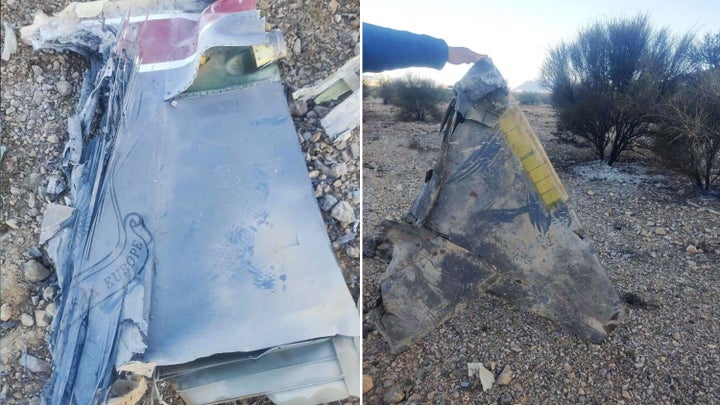
WASHINGTON — President Donald Trump’s war on Iran got considerably more complicated Friday after a U.S. fighter jet was shot down.

Two Air Force crew members ejected from their F-15, causing the U.S. to launch a risky search-and-rescue operation inside Iran. One of the two was reported rescued hours later, while the other remained missing.

The incident calls into question claims by both Trump and Defense Secretary Pete Hegseth that Iran no longer has the ability to threaten U.S. aircraft.

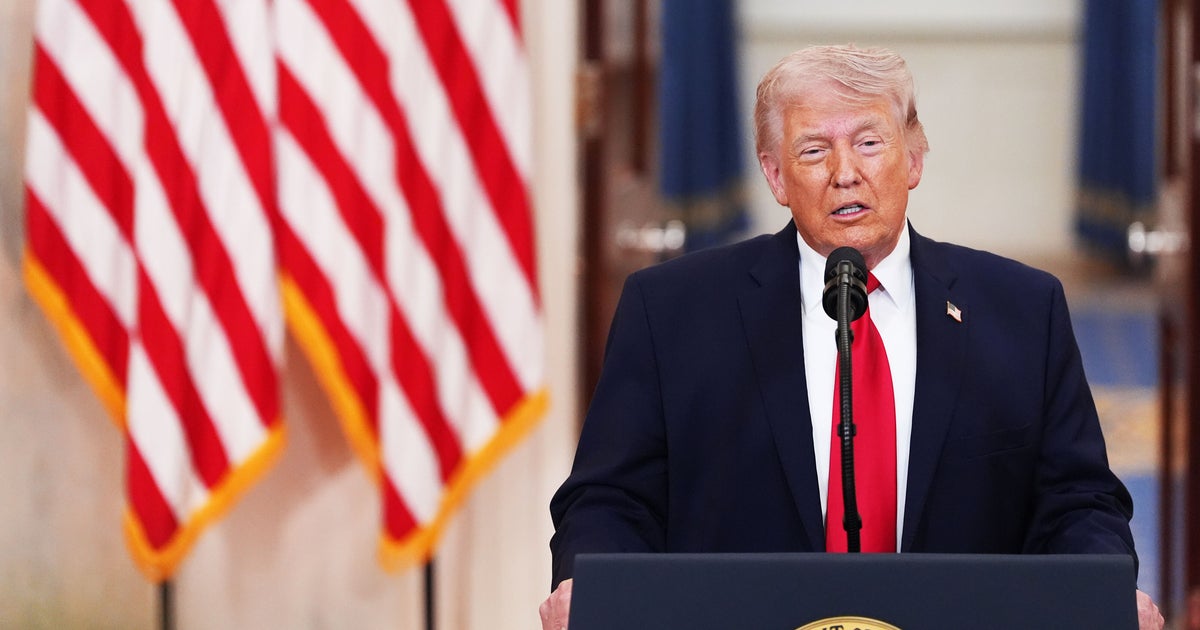
“They have no anti-aircraft equipment. Their radar is 100% annihilated. We are unstoppable as a military force,” Trump bragged from the White House on Wednesday night in his first major speech about the war. Last month, Hegseth declared the U.S. had achieved “total air dominance,” suggesting aircraft could strike with impunity.

Saturday marks the start of the sixth week of the war, which is already one more than the “four to five week” estimate Trump provided at the start. On Wednesday, he offered no guidance as to when and how he would end it other than threatening that if Tehran does not agree to his terms, he would bomb Iran “back to the Stone Ages.”

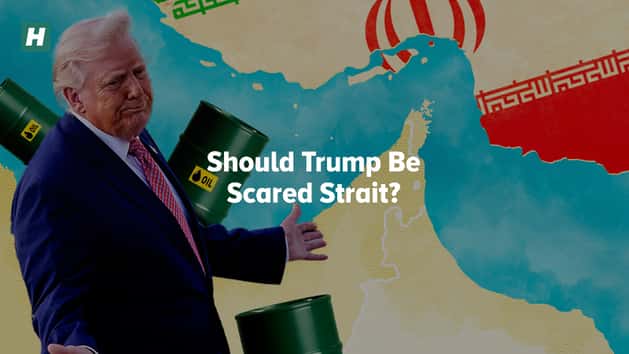
On Friday morning, he repeated his idea about confiscating Iran’s oil. “With a little more time, we can easily OPEN THE HORMUZ STRAIT, TAKE THE OIL, & MAKE A FORTUNE. IT WOULD BE A ‘GUSHER’ FOR THE WORLD???” he wrote on Truth Social.

If Iran is able to capture the fighter plane’s missing crew member, it would potentially give Tehran new leverage, beyond the control of the Strait of Hormuz that it is using to drive up the cost of oil worldwide.

One-fifth of the world’s crude oil had moved through the passage before the war. Trump has not given a plan for resuming that flow other than by turns telling other nations to open the strait by force, claiming it would open “naturally” on its own, and threatening Iran with additional attacks, including against its civilian infrastructure, such as electric plants and drinking water facilities.

Such attacks would constitute war crimes under international law, as would Hegseth’s vow early on to offer Iran “no quarter,” which is defined as killing soldiers who are attempting to surrender.

It is unclear whether and how those threats, which have been condemned by lawyers well-versed in the laws of armed conflict, might affect treatment of Americans in the custody of Iran.

Friday’s loss of the F-15 adds to a rising toll for the U.S. military. Six Air Force crew members died March 12 in the crash of their refueling tanker following a midair collision over Iraq. Kuwait accidentally shot down three F-15s, though all of the crew survived. Seven service members died in the first days of the war after Iranian missile attacks on U.S. bases in Kuwait and Saudi Arabia.

Trump said in his Wednesday speech that he would continue his attacks to honor the sacrifice of those 13.

By entering your email and clicking Sign Up, you're agreeing to let us send you customized marketing messages about us and our advertising partners. You are also agreeing to our Terms of Service and Privacy Policy.