yahoo Press
Hiding in the mountains, the injured US airman had only a pistol for protection
Images
1 / 13
2 / 13

3 / 13

4 / 13

5 / 13

6 / 13
7 / 13
8 / 13
9 / 13
10 / 13

11 / 13

12 / 13

13 / 13
“WE GOT HIM!” Donald Trump announced in the early hours of Sunday.

“Over the past several hours, the United States Military pulled off one of the most daring search and rescue operations in US history ... I am thrilled to let you know [our missing airman] is now SAFE and SOUND!”

The US president’s Truth Social post marked the end of a 36-hour drama that will stand proud in the annals of US military history.

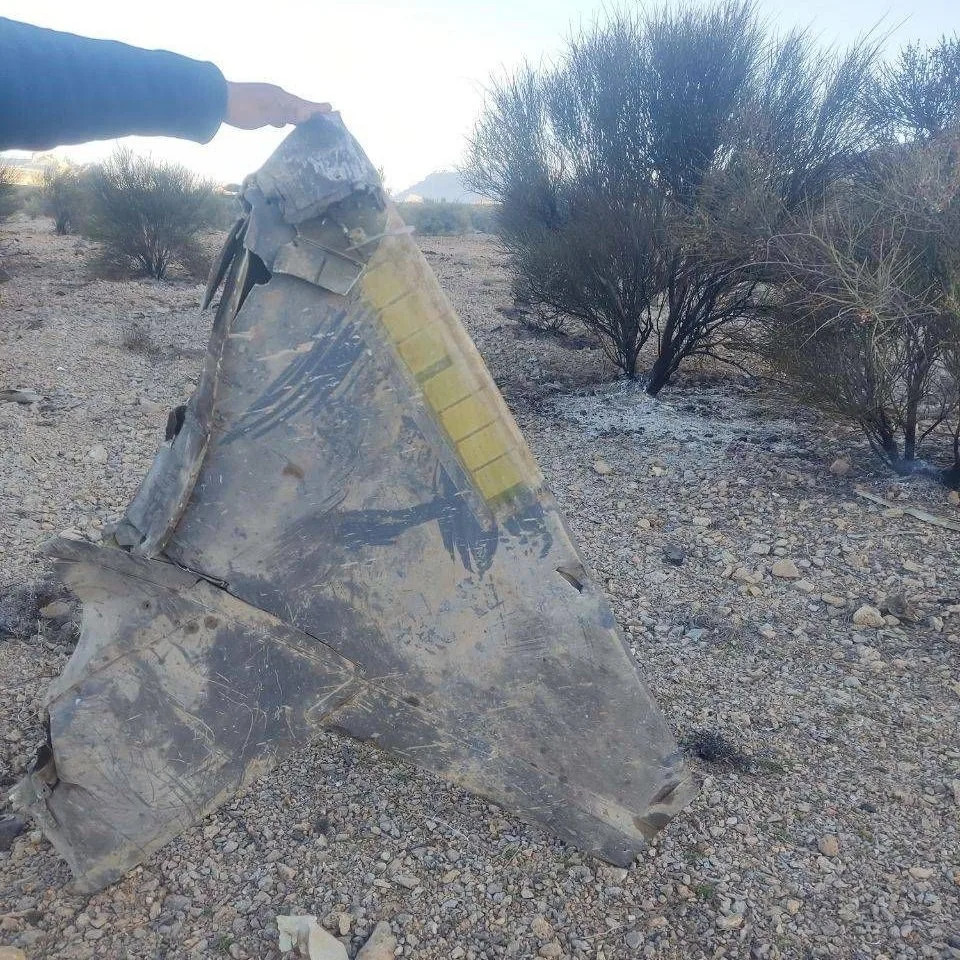
The operation denied Iran a potentially pivotal propaganda victory after a US F-15E Strike Eagle fighter jet was shot down over Iran on Friday. The pilot was rescued almost immediately, but the weapons operator was missing.

What followed was a life-or-death race between the US and Iran to recover the colonel.

At stake was not just the life of the airman and the dozens of special forces troops who risked everything to save him, but the reputation of the military.

Mr Trump said: “This type of raid is seldom attempted because of the danger to ‘man and equipment’. It just doesn’t happen!”

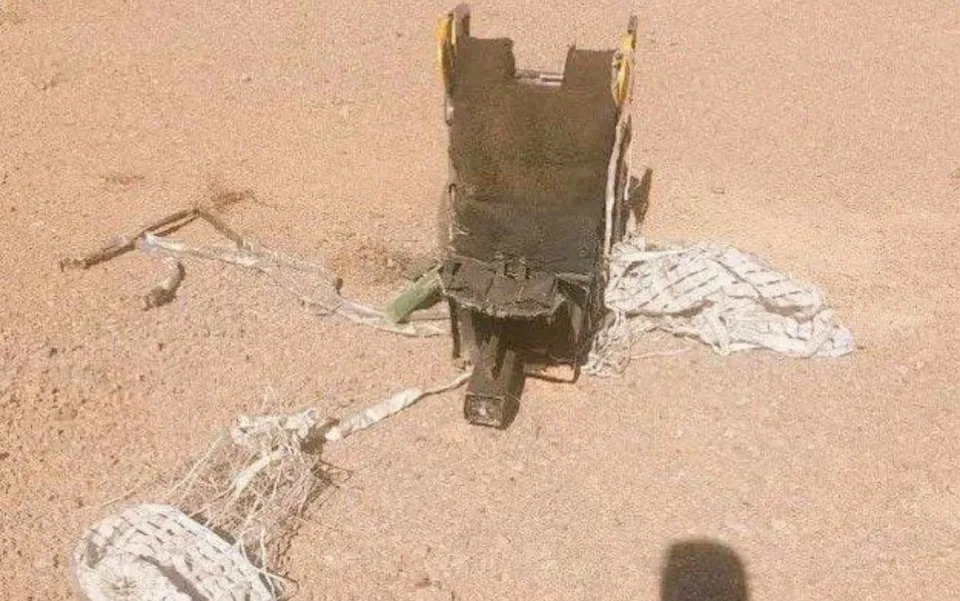
Video footage from the rescue site suggests the airman had been hiding in an arid, mountainous region deep in southern Iran after pulling the yellow side lever on his ejection seat.

The seat’s ejection system, which uses a solid CKU-5 rocket propellant to blast through the jet’s canopy at a speed of 200m per second, is one of the most sophisticated ever made but carries a high probability of spinal fractures and other injuries.

The US president confirmed on Sunday afternoon that the airman had been “seriously wounded”.

“This brave warrior was behind enemy lines in the treacherous mountains of Iran, being hunted down by our enemies, who were getting closer and closer by the hour,” said Mr Trump, adding that the colonel had “sustained injuries, but he will be just fine”.

Airmen who eject over enemy territory are instructed to hide and await rescue from well-drilled search and rescue teams.

Armed only with a pistol, everything depended on the US special forces extracting him before Iranian forces closed in. He had a beacon and secure communication device with him, but could not use the beacon freely because Iranian forces could have detected it, The New York Times reported.

Iran had offered a reward for anyone who found the officer, and a video shared on social media on Friday appeared to show dozens of local people combing the countryside, rising to the challenge.

The helicopters involved in extracting the first of the two airmen – the pilot – on Friday were fired upon from the ground, and video footage appeared to show one of the two choppers trailing smoke as it exited Iran into Iraq.

In the event, extracting the second airman was a close call. “This was the ultimate needle in a haystack but in this case it was a brave American soul inside a mountain crevice, invisible but for CIA’s capabilities,” an official told Axios.

The Wall Street Journal reported that the injured colonel broke cover in the final moments and performed a “daring move to meet his rescue team” of Navy Seal Team Six commandos.

He climbed up a ridge line 7,000ft above sea level while US forces dropped bombs and opened fire on approaching Iranian convoys.

The rescue mission itself involved hundreds of special forces commandos flown in on specialist MC-130J troop carriers on a makeshift runway, while MQ-9 Reaper drones and fast jets provided air cover, striking any military-aged males believed to be a threat in a three-kilometre radius.

The final extraction operation was launched after the Central Intelligence Agency (CIA) pinpointed the airman’s location and ran a “deception operation” to cause the Iranians to believe he had already been located elsewhere.

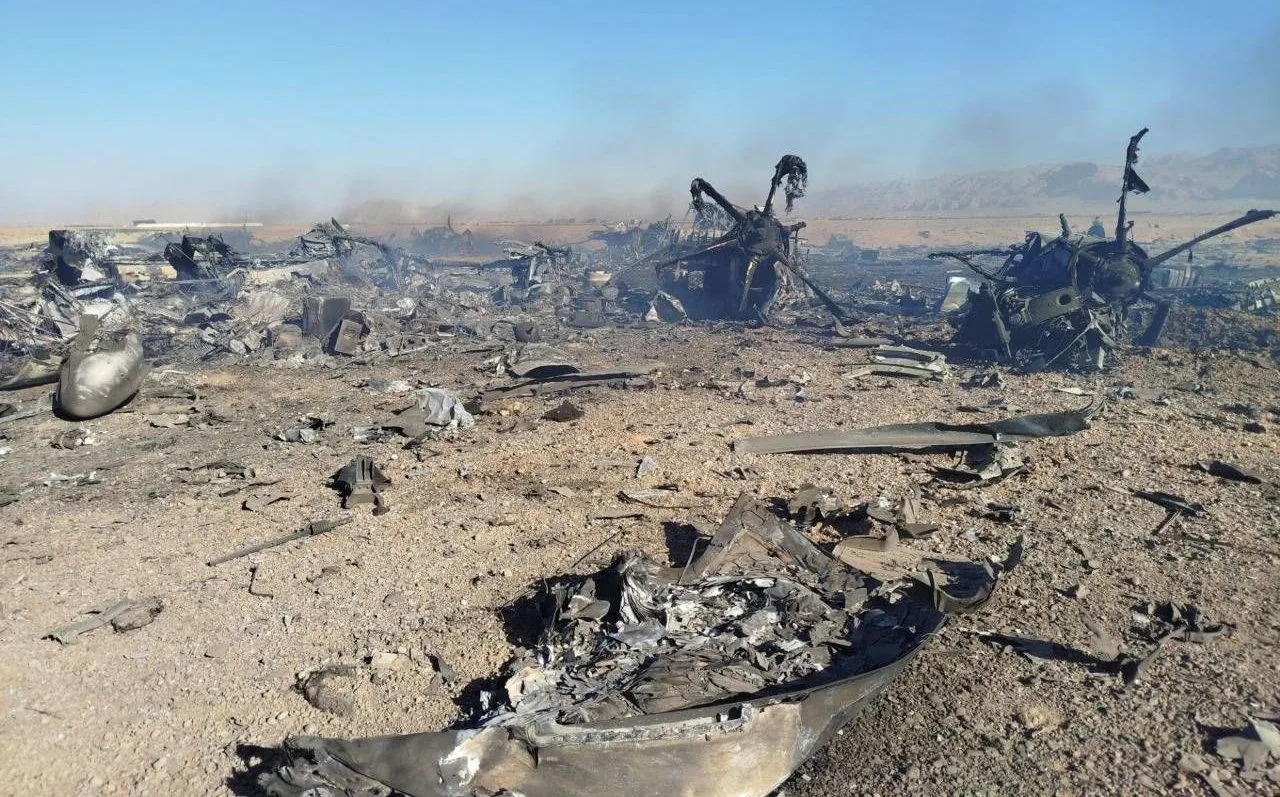
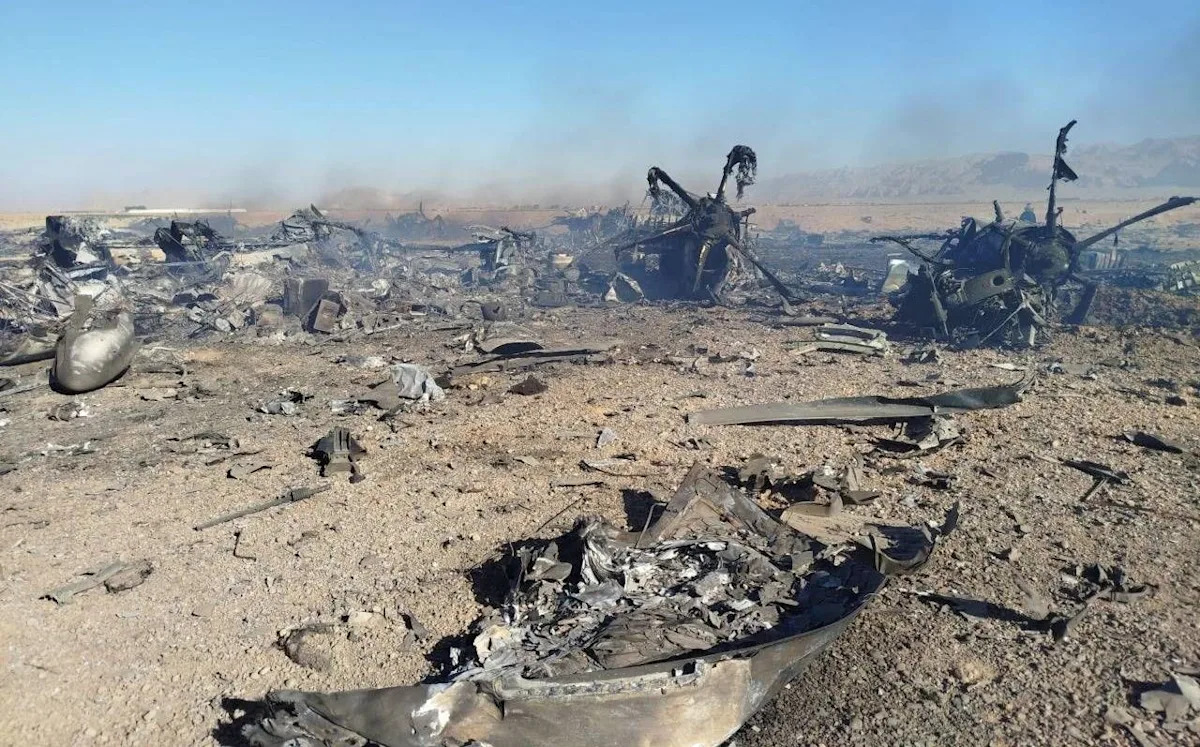
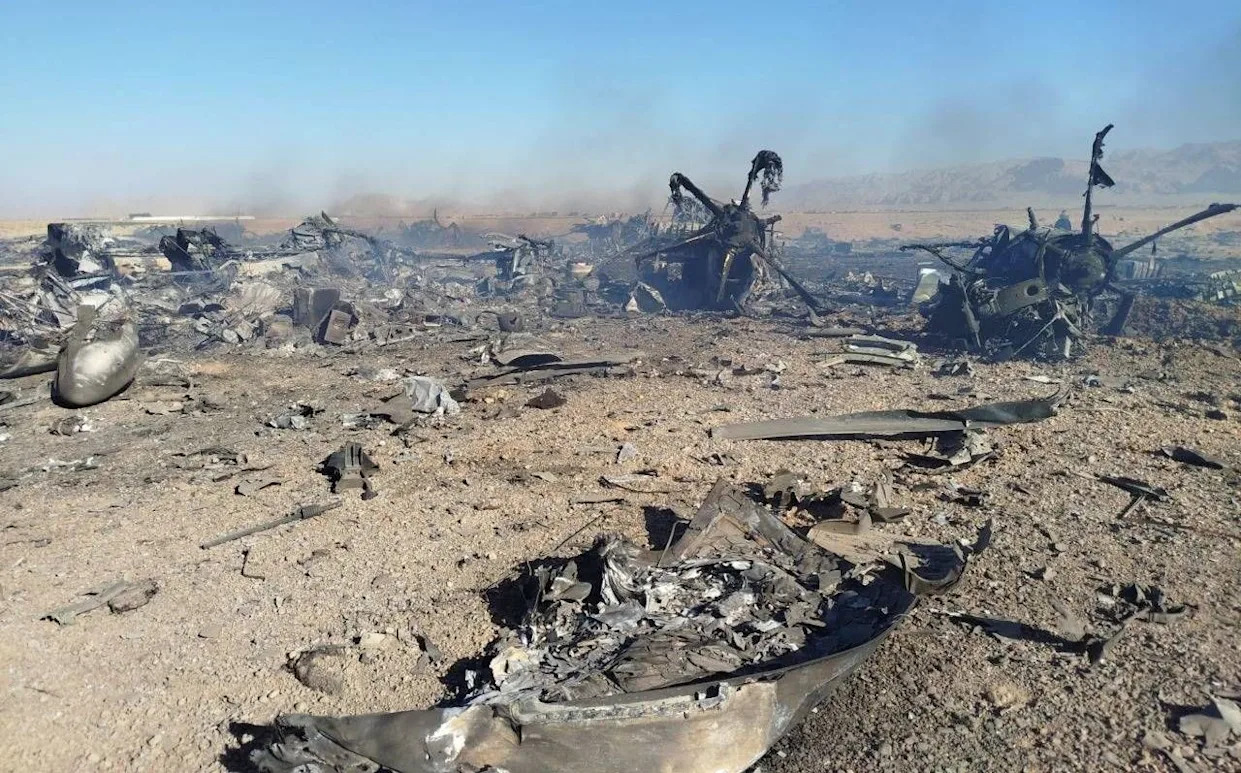
The feint worked, but final drama occurred when two of the MC-130Js – which cost $100m (£75.6m) each – became bogged down on the makeshift runway onto which they had been flown and were destroyed by US troops to stop them falling into enemy hands.

Three new planes had to be flown in the final hours to take the airman and soldiers out, The New York Times reported. The airman is recovering in a hospital in Kuwait.

Iran’s Tasnim News Agency, meanwhile, claimed that “several enemy American aircraft in the southern Isfahan region were destroyed by the warriors of Islam, and the pilot rescue operation failed”, citing Iran’s military headquarters.

The White House and the Pentagon were uncharacteristically silent in the 36 hours after the F-15 went down.

But in the background, the president had remained in the Oval Office throughout the drama, receiving constant updates from Pete Hegseth, the US defence secretary, according to Karoline Leavitt, the White House press secretary.

In an effort to salvage what little propaganda victory remained to them, Iranian officials posted images on Sunday of charred remains of one of the two torched MC-130Js.

Mohammad-Bagher Ghalibaf, the speaker of the Iranian parliament, wrote in a social-media post: “If the United States gets three more victories like this it will be utterly ruined.”

Yet Mr Trump hailed the mission as one for the ages. He wrote: “This is the first time in military memory that two US pilots have been rescued, separately, deep in Enemy Territory. WE WILL NEVER LEAVE AN AMERICAN WARFIGHTER BEHIND!”

Try full access to The Telegraph free today. Unlock their award-winning website and essential news app, plus useful tools and expert guides for your money, health and holidays.