yahoo Press
Big Tech's second quarter just started, and it's already facing major challenges
Images
1 / 7
2 / 7

3 / 7

4 / 7

5 / 7
6 / 7

7 / 7
The year’s second fiscal quarter is officially underway, and Big Tech is already facing a number of major challenges.

There’s the question about when companies will start to see significant returns on the massive sums they’re spending on AI data centers; Microsoft (MSFT) is contending with its worst stock performance in years; and the war in Iran and resulting fuel crisis continue to suppress shares of some of tech’s biggest names.

Take a look at the Magnificent Seven stocks, and you’ll find that each is down following its most recent earnings report, despite the fact that the majority of them posted better-than-anticipated results.

All of that’s setting up a particularly interesting start to Q2 for Big Tech.

The major hyperscalers, Amazon (AMZN) ; Google (GOOG, GOOGL); and Microsoft, and Meta (META) are set to spend $650 billion in 2026 on capital expenditures, with the vast majority of that going toward building AI data centers and developing AI models.

That massive cost has repeatedly spooked investors since the companies began their enormous construction efforts, and will likely keep them second-guessing Big Tech’s strategy until money starts pouring into their coffers.

According to Gartner chief of research John-David Lovelock, the AI build-out has a lot in common with the cloud infrastructure build-out of the late 2000s.

“The mechanics of the market, the business realities [of]  the market are very similar to infrastructure as a service,” he said. “Back in 2008, there were 12 or 14 players that Gartner was tracking, and then it became AWS or Microsoft. This market is probably going to go the same way. Two, maybe three players, at the end of the day, will dominate this market,” Lovelock explained.

The major players in the space aren’t going anywhere anytime soon, but how and where they allocate their spending is something Wall Street will return to again and again for some time.

“The market is going to continue to be a little uneasy, and I think we could see some volatility and maybe see some resistance to [the] next leg up in price for some of these companies,” Futurum Group CEO Daniel Newman told Yahoo Finance.

Investors also continue to wonder whether AI chip growth can continue at its current pace. And according to Constellation Research founder Ray Wang, the short answer is, yes.

“Demand is real. I mean, everybody's trying to say there's no demand, there's no demand, but at the end of the day, the numbers say otherwise,” Wang explained.

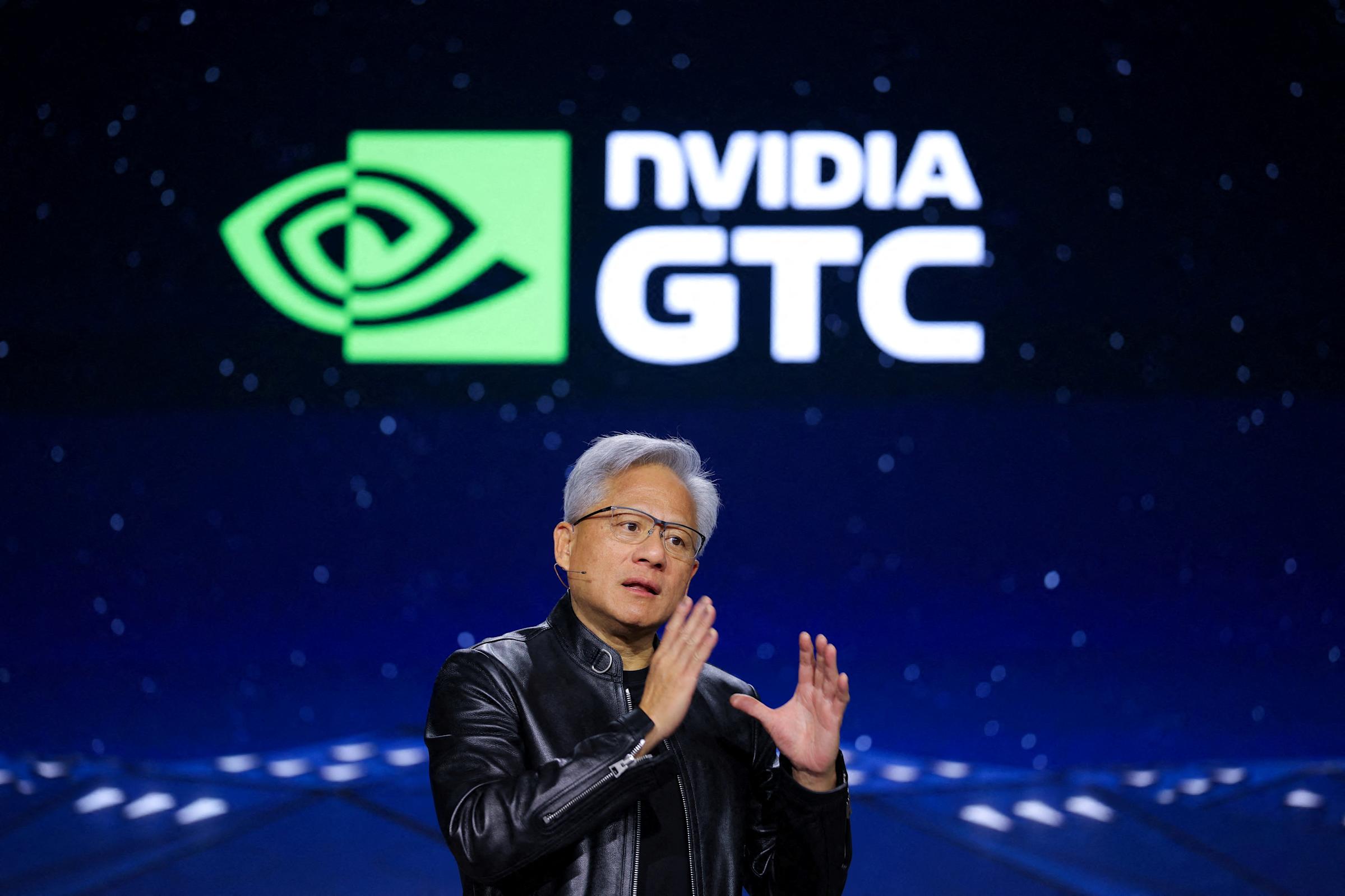
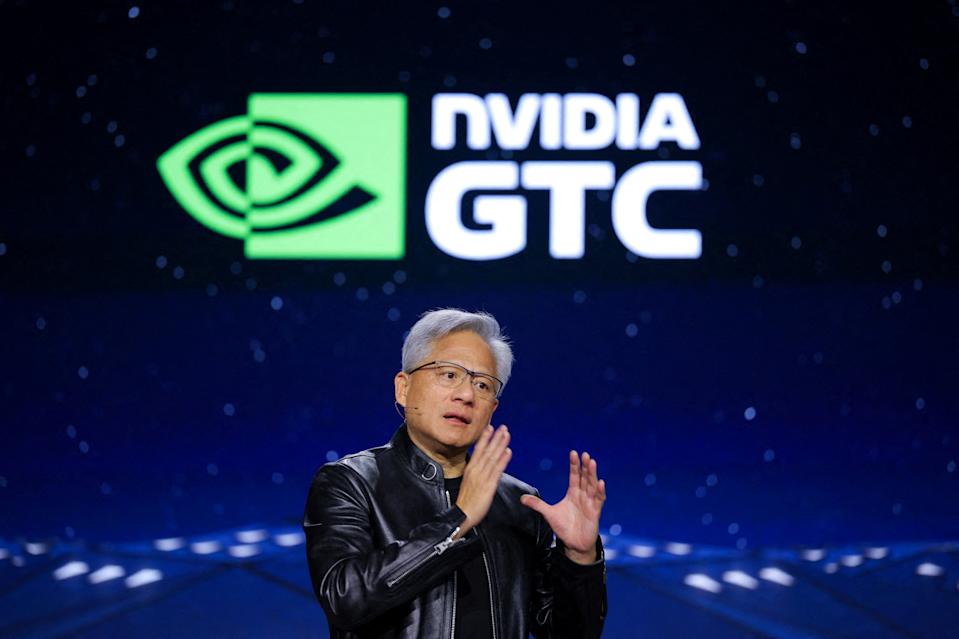
Nvidia (NVDA) certainly doesn’t expect AI spending to slow down anytime soon. During the company’s annual GTC event last month, CEO Jensen Huang said the chip behemoth has a throughline to more than $1 trillion in revenue through 2027.

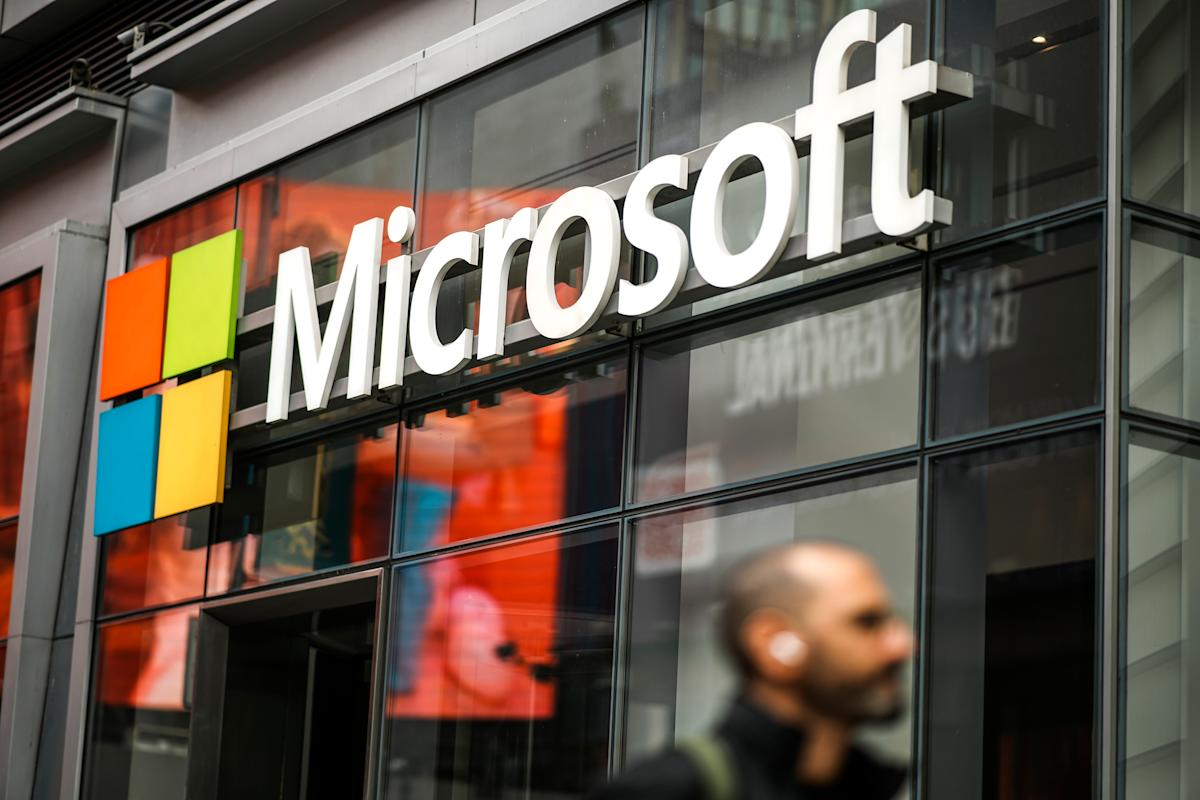
To say that Microsoft’s stock price is being pummeled is an understatement. Shares of the Windows developer are down 22% since the start of the year and 20% since it reported its earnings on Jan. 28.

There are a few things impacting Microsoft’s stock price. While the company beat on the top and bottom lines in its most recent earnings report and announced that its cloud revenue topped $50 billion for the first time, investors continue to raise concerns about Microsoft’s ongoing computing capacity constraints, which limit its ability to serve customers and develop its own AI models.

Then there’s the SaaSocalypse, which envisions a world in which AI companies steal market share from enterprise software-as-a-service developers, including Microsoft.

To turn things around, Deepwater Asset Management managing partner Gene Munster says Microsoft needs a narrative shift similar to Google’s.

This time last year, Google, according to the prevailing thinking on Wall Street, was dead in the water. Its AI capabilities were lagging behind OpenAI (OPAI.PVT), and there were fears that its search empire was on the brink of a major shake-up.

A year later, it’s seen as the AI leader thanks to its Gemini 3 models and a clear roadmap for integrating AI into its various services.

“What [Microsoft] really need to do is show they've got AI products that people want, and Copilot is a joke,” Munster said.

“They get enterprises to sign up, but people aren't using it. It's not that good of a product. And so I think  Microsoft is in a tight spot, because not only do they have to show that they can create great products, but they don't have a large model to lean back on,” he added.

While the tech industry isn’t as impacted by the war in Iran as other sectors, it’s still raising questions about supply chain resilience and driving stocks lower more broadly, hurting shares of Big Tech companies across the board.

That’s creating a kind of fog that makes it difficult to determine whether investors are actually concerned about tech’s outlook or the impact of the war itself.

“I think as long as this war is going on, people aren't really sure how much to attribute the downward trajectory in a number of different names and tickers to their performance to the business, to AI … versus how much of this is macro. How much of this is midterm [elections], inflation related to oil and oil prices, bonds, war. There’s a lot going on, and it’s not super clear,” Newman said.

One thing that could help provide that clarity, however, is if the companies show strong performance in spite of all of those outside factors. We’ll see how that plays out when Big Tech reports its earnings in the coming weeks.

Email Daniel Howley at dhowley@yahoofinance.com. Follow him on Twitter at @DanielHowley.

Click here for the latest technology news that will impact the stock market

Read the latest financial and business news from Yahoo Finance