Press
Pakistan offers two-stage truce plan to end US-Israel war: Report
Images
1 / 7
2 / 7
3 / 7
4 / 7

5 / 7

6 / 7

7 / 7
Iran, while still reviewing Islamabad’s proposal, has said that it won’t reopen Hormuz as part of a temporary ceasefire.

Save

Share

Pakistan has proposed a two-stage plan to end the US-Israeli war on Iran and reopen the Strait of Hormuz, with both sides now mulling the framework, a source has told Reuters news agency.

Esmail Baghaei, Iran’s foreign ministry spokesman, acknowledged diplomatic efforts by Pakistan, which has shared plan with Iran and the United States to end hostilities, according to the Reuters.

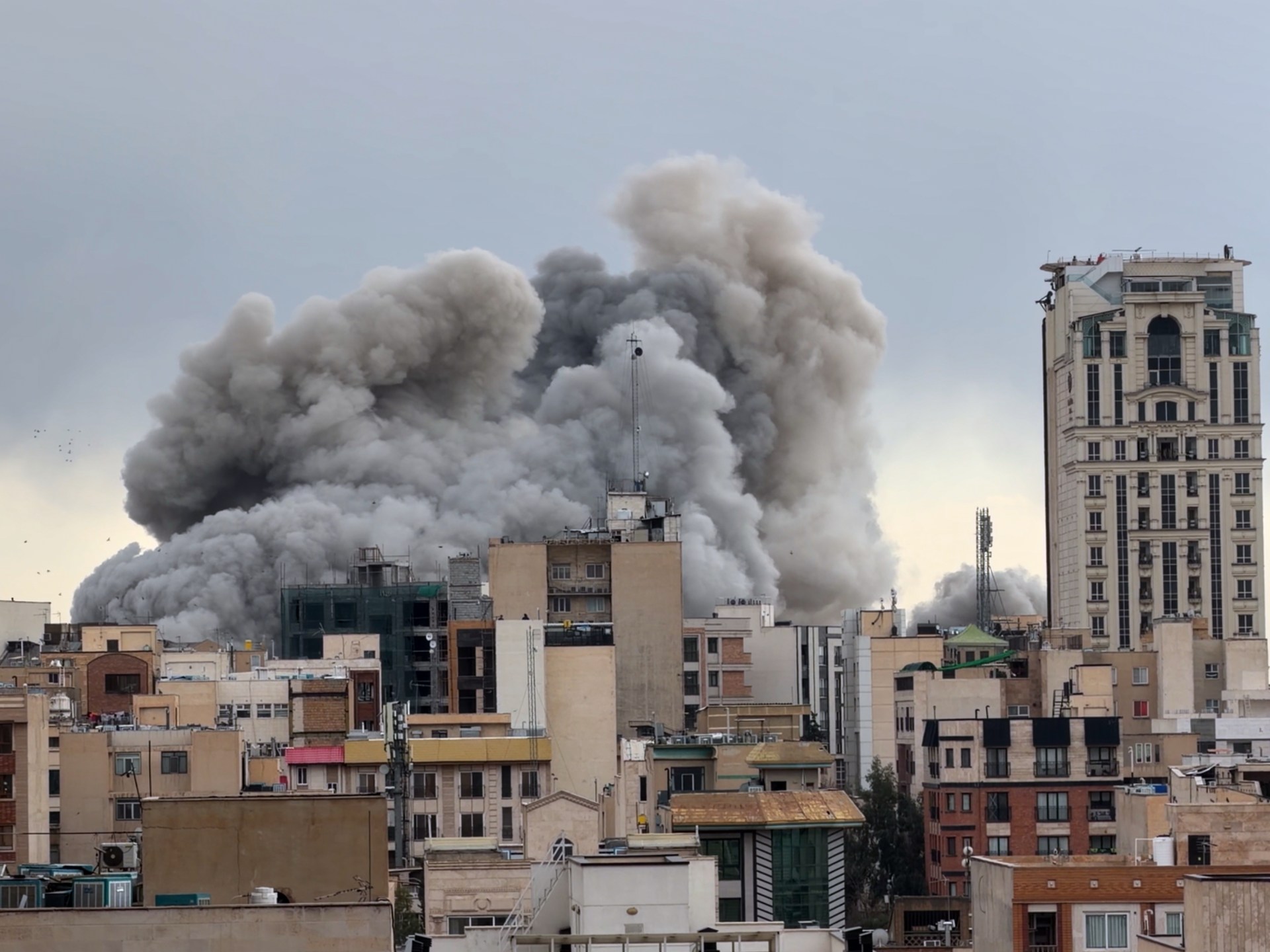
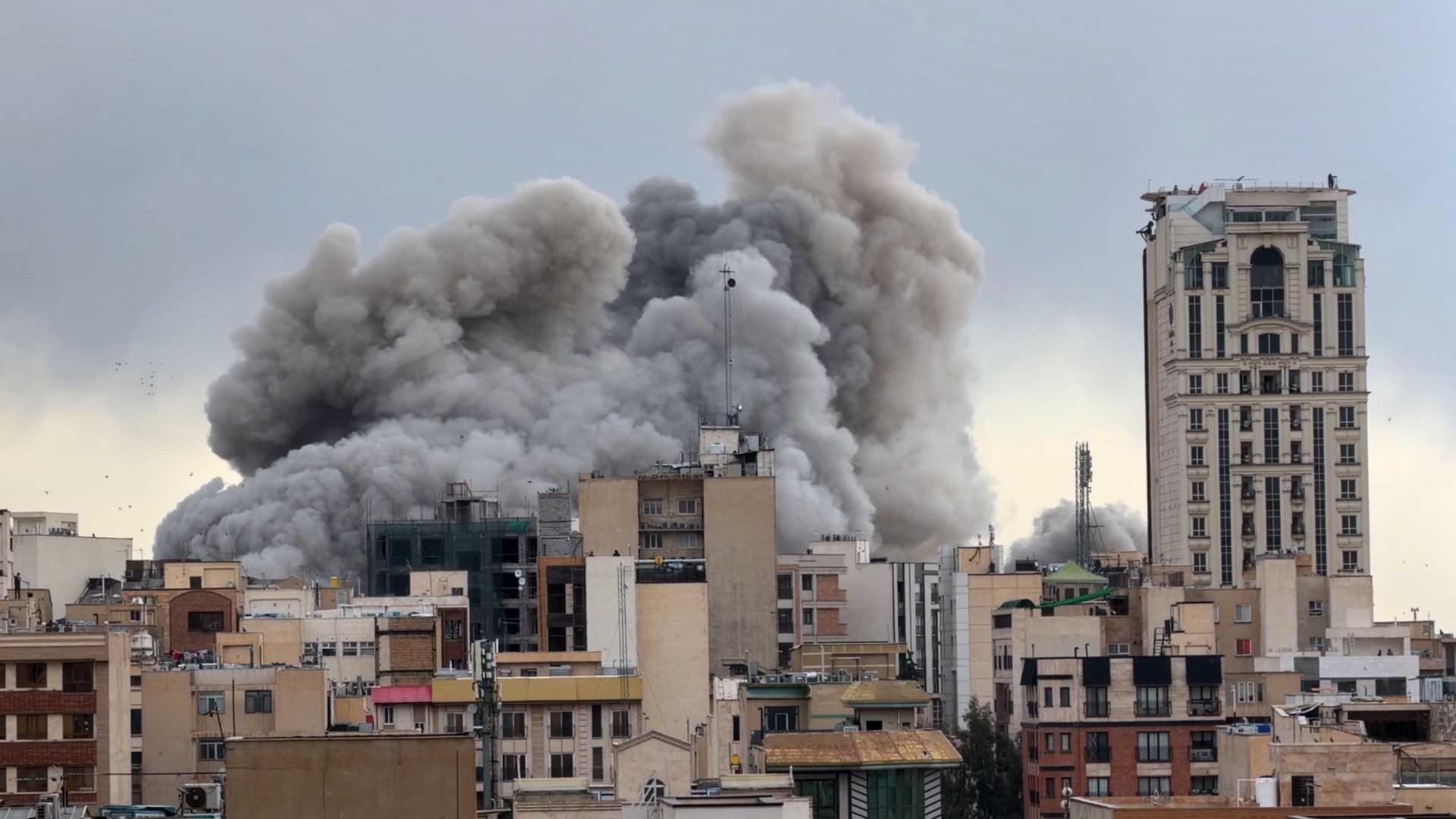
Baghaei added that Tehran is focussed on the security of its country amid intensified attacks from the US and Israel. A top university in Tehran and South Pars Petrochemical Plant in Asaluyeh have been bombed. At least 34 people have been killed in Iran.

Axios first reported on Sunday that the United States, Iran and regional mediators were discussing a potential 45-day ceasefire as part of a two-phase deal that could lead to a permanent end to the war, citing US, Israeli and regional sources.

The source told Reuters that Pakistan’s army chief, Field Marshal Asim Munir, has been in contact “all night long” with US Vice President JD Vance, special envoy Steve Witkoff, and Iranian Foreign Minister Abbas Araghchi.

“All elements need to be agreed today,” the source said, adding the initial understanding would be structured as a memorandum of understanding finalised electronically through Pakistan, the sole communication channel in the talks.

Under the proposal, a ceasefire would take effect immediately, reopening the Strait of Hormuz, with 15 to 20 days given to finalise a broader settlement.

The deal, tentatively dubbed the “Islamabad Accord,” would include a regional framework for the strait, with final in-person talks in Islamabad.

The final agreement is expected to include Iranian commitments not to pursue nuclear weapons in exchange for sanctions relief and the release of frozen assets, the source said.

Iran has responded by stating that it won’t reopen the Strait as part of a temporary ceasefire, a senior Iranian official told Reuters on Monday, adding that Tehran won’t accept deadlines as it reviews the proposal. Washington lacks the readiness for a permanent ceasefire, the official also said.

The US has not yet responded to Pakistan’s plan.

“Pakistan officials tell me that Islamabad is involved in ‘frantic diplomacy’, as they put it,” said Al Jazeera’s Osama bin Javaid.

“The problem they’re facing, as one official put it, is essentially that it’s a schoolboy brawl that they are dealing with. It is egos that they have to manage, and it is also a sea of distrust over which they have to build bridges.”

One source told Javaid that Pakistan is speaking to Iran’s clergy, diplomats, and military commanders, but distrust is still high.

“You heard the Iranian foreign ministry spokesman mention that they have come under attack multiple times by the US and Israel. And then, if there is some sort of rapprochement, if there is some sort of agreement, what are the guarantees that their leaders are not going to be targeted?” said Javaid.

Baghaei, the foreign ministry spokesman, said on Monday that Tehran will never accept a 15-point plan put forward by the US last month. He stated that Tehran has finalised its demands amid recent proposals to end the war – but will reveal them only when appropriate.

Spokesman Baghaei stressed that Iran will not bow to pressure, the IRNA news agency reported.

“A few days ago, they put forward proposals through intermediaries, and the 15-point US plan was reflected through Pakistan and some other friendly countries,” he said.

He added that “such proposals are both extremely ambitious, unusual, and illogical.”

Baghaei underlined that Iran has its own framework.

“Based on our own interests, based on our own considerations, we codified the set of demands that we had and have,” he said.

The foreign ministry spokesman rejected the idea that engaging with mediators signals weakness.

The latest diplomatic push by Pakistan comes amid escalating hostilities that have raised concerns over disruption to shipping through the Strait of Hormuz, a critical artery for global oil supplies. More than 20 percent of world’s oil and gas pass through the waterways, which remains under de facto Iranian blockade.

Trump has, in a belligerent, expletives-laden post on Sunday, threatened to rain “hell” on Tehran if it did not make a deal by the end of Tuesday that would reopen the strait.

More than 2,000 people have been killed in Iran since the war began, according to the Iranian authorities.

Israel has also invaded southern Lebanon and struck Beirut, where Lebanese authorities say 1,461 people, including at least 124 children, have been killed. More than 1.2 million Lebanese have been displaced.