yahoo Press
The 8th-Century Money Network That Moves Billions Without Banks
Images
1 / 5
2 / 5

3 / 5

4 / 5
5 / 5
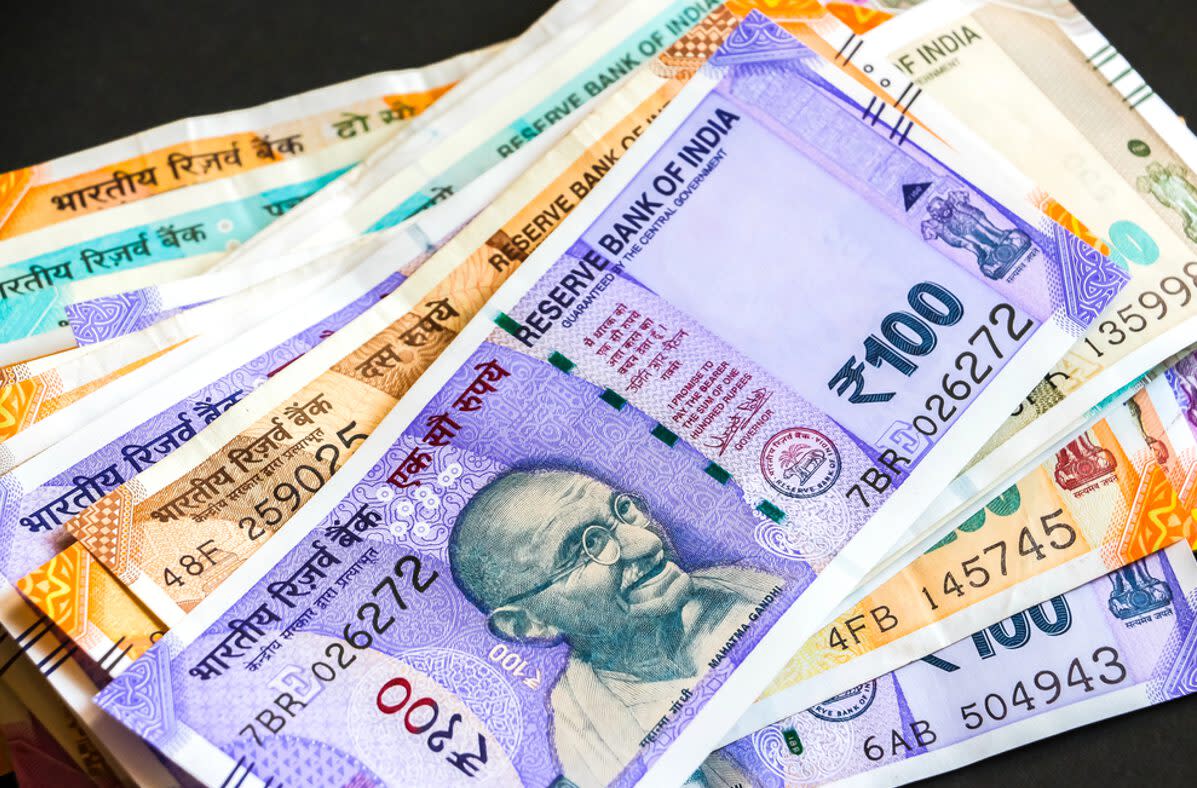
A construction worker in Dubai wants to send $500 home to Bangladesh. Instead of paying Western Union’s fees and waiting days for processing, he walks into a tea shop, hands over cash with a simple code word, and his family collects the money within hours—without a single electron moving between bank servers.

Welcome to hawala, the 8th-century financial network that makes your fintech apps look like Rube Goldberg machines. This trust-based system moves billions globally through broker networks bound by honor, family ties, and the ultimate enforcement mechanism: social excommunication. No blockchain required.

The mechanics are deceptively simple, relying on human reputation rather than digital encryption.

Here’s how it works: You give cash and a password to your local hawaladar (broker). They contact their counterpart abroad, who pays out the equivalent amount minus commission. No promissory notes. No legal contracts. No paper trail whatsoever.

The brokers settle their debts later through:

Cash transfers

Trade goods

Offsetting transactions

A global ledger maintained entirely in their heads. The enforcement? Cheat once, and you’re permanently blacklisted from the network. In tight-knit communities built on clan or ethnic bonds, that economic death sentence actually works better than most legal systems.

Post-9/11 scrutiny labeled hawala risky, but it remains vital where formal banking collapses.

Regulators worry about hawala’s anonymity enabling money laundering and terrorism financing. Fair concerns. But in failed states like Somalia or Afghanistan, hawala networks keep functioning when banks shut down entirely. As the IMF notes, informal value transfer systems “may be susceptible to use by criminal organizations” but also serve as economic lifelines for legitimate users.

Even aid organizations rely on hawala when traditional banking infrastructure crumbles. Sometimes the most “primitive” technology proves most resilient.

Crypto promises “trustless” systems while hawala proves trust itself is the most efficient protocol.

Here’s the kicker: While Silicon Valley builds elaborate “trustless” blockchain networks to eliminate intermediaries, hawala has been doing peer-to-peer transfers for over a millennium using the ultimate decentralized ledger—human relationships. No mining fees, no gas costs, no waiting for confirmations.

Maybe the future of fintech isn’t about replacing trust with code, but remembering that trust, properly structured, was always the most advanced technology.

From the coolest cars to the must-have gadgets, GadgetReview’s daily newsletter keeps you in the know. Subscribe - it’s fun, fast, and free.