Press
Want to help garden birds? Don't feed them in warmer months, says RSPB
Images
1 / 11

2 / 11
3 / 11
4 / 11
5 / 11
6 / 11
7 / 11
8 / 11
9 / 11
10 / 11
11 / 11
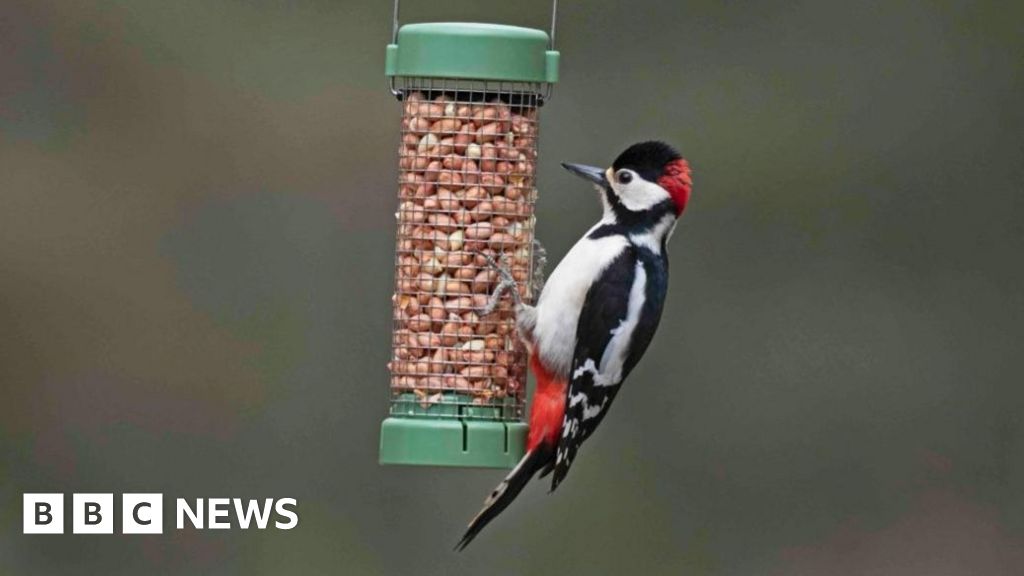
Putting up bird feeders in your garden may seem kind but it could be putting some species at serious risk, according to the UK's largest bird charity.

Millions of us regularly put out food in the hope of attracting our feathered friends, but the Royal Society for the Protection of Birds (RSPB) says people should take a break between 1 May and 31 October. It warns the warmer months can turn busy feeders into disease hotspots.

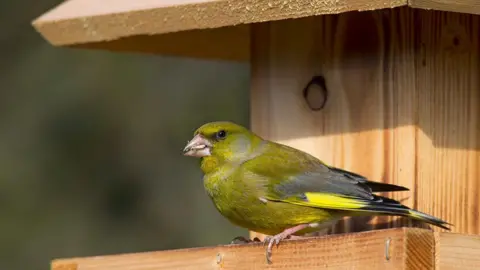
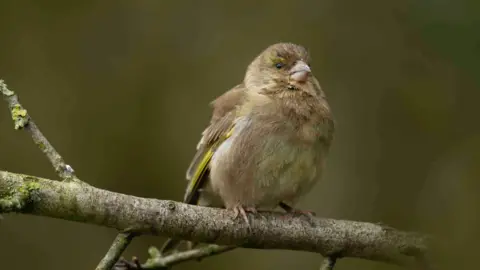
The spread of a disease called trichomonosis has caused significant declines in species such as greenfinches and chaffinches.

Once a familiar sight in UK gardens, the greenfinch population has decreased by two million. They are now on the red list of endangered birds.

Trichomonosis is caused by a parasite that affects the mouth, throat and upper digestive tracts of birds and can make it hard for them to eat, drink or breathe.

Infected birds shed the parasite in their saliva and poo, contaminating food sources when they feed. It can also be passed directly to chicks when adults regurgitate food.

The RSPB's latest Big Garden Birdwatch results show that the number of greenfinches recorded has dropped from a ranking of seven in 1979, when the survey began, to a ranking of 18 in 2025.

Over 16 million households are thought to put out food on a regular basis, with an estimated one bird feeder for every nine birds that use them.

The RSPB hopes that persuading people to adopt its new advice will slow the spread of the disease, but it acknowledges that changing people's habits may prove difficult and potentially unpopular.

The industry body, UK Pet Food, estimates that we spend some £380 million a year on bird food. Separate figures suggest that amounts to more than 150,000 tonnes annually – enough to sustain three times the breeding populations of the ten commonest garden species if they relied on it alone all year round.

The new RSPB advice is to "feed seasonally, feed safely".

The charity warns that a single infected bird can turn a busy feeder into a potential hotspot for disease, making hygiene essential.

However, it says small amounts of mealworms, fat balls and suet – enough for a day or two at most - can still be offered throughout the year.

It recommends cleaning feeders thoroughly at least once a week and, where possible, moving them to a different location after each clean to prevent contaminated debris building up on the ground below.

Water should only be provided if it can be changed daily, the RSPB says, and only fresh tap water should be used. Bird baths should also be cleaned every week.

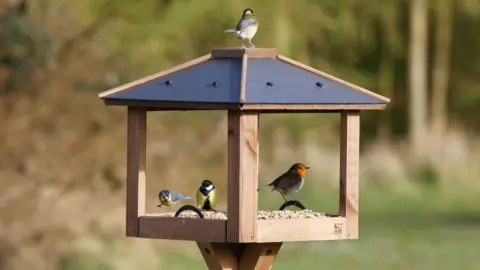
The RSPB says research suggests the risk of disease transmission is higher on flat surfaces, where contamination can accumulate.

As a result, from the beginning of last year it stopped selling flat feeders and advised they should no longer be used - effectively saying what it calls a "fond farewell" to traditional bird tables.

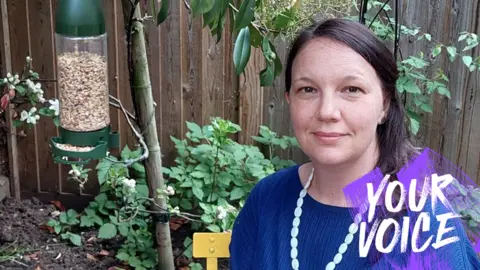
Many people who regularly feed garden birds say they will miss seeing them up close. Helen Rowe, from the Isle of Dogs in London, contacted BBC Your Voice to ask how she could continue to feed birds safely.

She says a flock of sparrows often fly to the seeds and fat balls she leaves outside her home.

"It's really nice to see them from the window - they look very chipper out there," she says.

But despite enjoying the visits, she says she will stop putting out her feeders during the warmer months: "I want to support the birds - I don't want to do anything that's going to spread disease."

Others have questioned whether the new advice should apply uniformly across the country, given how widely the availability of natural food sources varies.

"Every garden is different. In some places, food is so abundant that birds don't use feeders very much; in other areas there is little alternative," said Dick Woods, who runs a company that makes easy-to-clean bird feeders and has campaigned for stronger action to curb the spread of disease.

The RSPB accepts that conditions differ from place to place, but says a single clear message is more likely to be effective.

"We are well aware that things won't change overnight and that behaviour change will take years, if not decades. We have therefore sought to keep our advice as simple as possible to make it easier for people to follow," said Martin Fowlie of the RSPB.

The pet food industry has pushed back against the changes, describing the new guidance as "a significant change to long-established advice", and has warned it risks "confusing the millions of people who regularly feed birds".

Michael Bellingham, chief executive of UK Pet Food, said: "The evidence informing these changes is still evolving, and much of the research underpinning this has not yet been published or widely scrutinised."

The RSPB says the new guidance was developed with scientists from the British Trust for Ornithology and the Institute of Zoology, and is based on what it describes as a "thorough and robust" review of the evidence. It says the full report will be published online.

While acknowledging the challenge the change presents for the bird food industry, the charity says "we cannot continue as usual".

The risks linked to bird feeding have been known for more than 15 years, leading some critics to question why the charity did not revise its advice sooner. Others have pointed to the fact that the RSPB also sells bird feeders and bird food - including products branded with its logo - through its shops and online store.

The RSPB says it has carefully weighed the growing scientific evidence on disease transmission against the benefits that feeding birds can bring, both to some bird populations and to the people who enjoy it. Feeding garden birds, it says, can improve wellbeing and help people feel more connected to nature.

It acknowledges that changing its guidance has taken time but says gathering and analysing the evidence has been a lengthy process. The charity adds it will also stop selling bird feeders and bird food during the warmer months.

A pair of ducks have been spotted using a pedestrian crossing in Hull's Old Town.

The Withington farmer is relieved his 6,000 birds can be let out to roam again.

The site is home to three breeding pairs and has welcomed 26 chicks since 2007.

Skylarks, which lay their eggs directly into the grass, are in decline in England.

South Essex Wildlife Hospital retrieves the female bird, which was trapped on the the 75th floor.