Press
Benin holds presidential election amid deteriorating security situation
Images
1 / 6
2 / 6
3 / 6
4 / 6

5 / 6

6 / 6
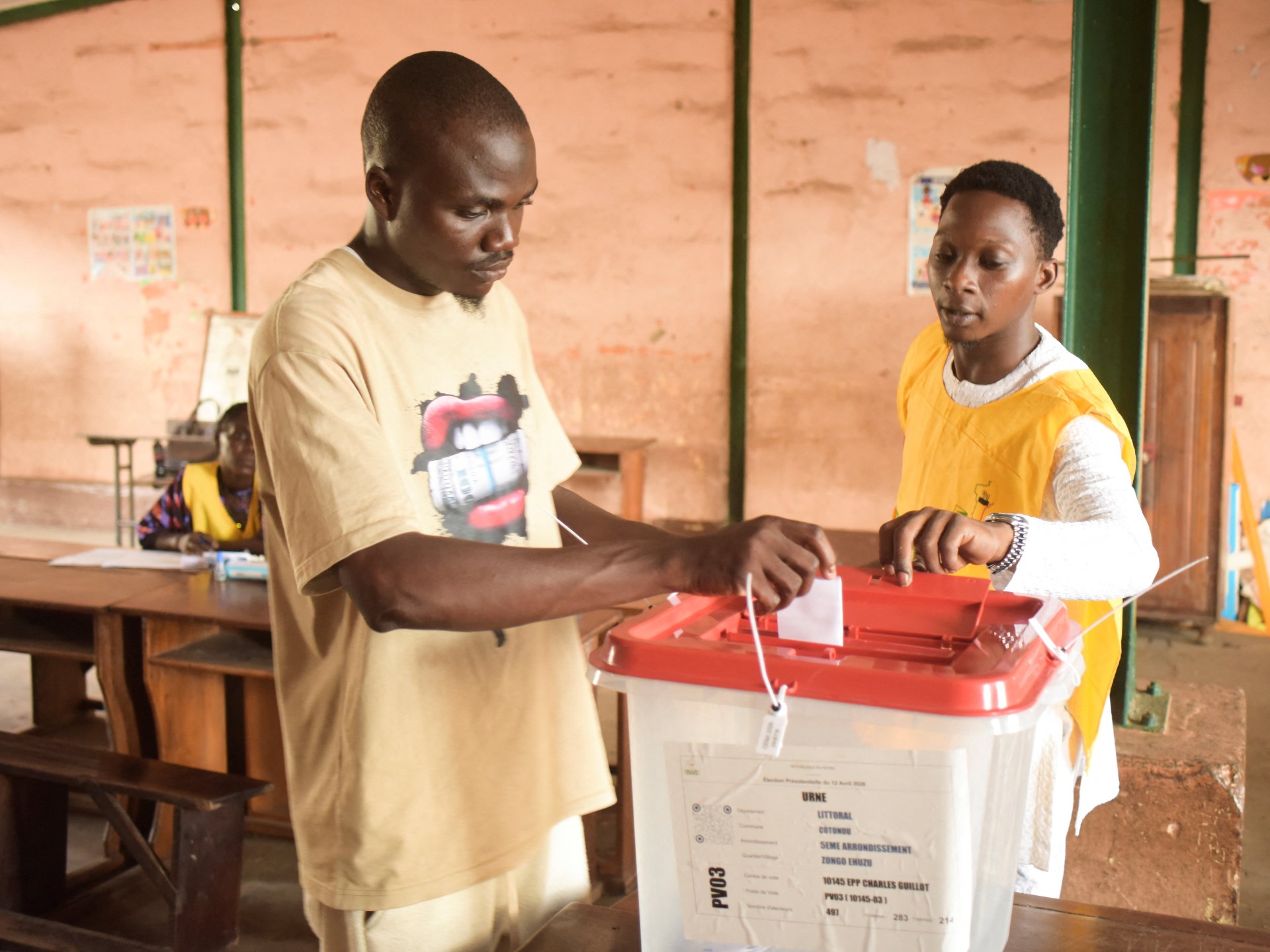
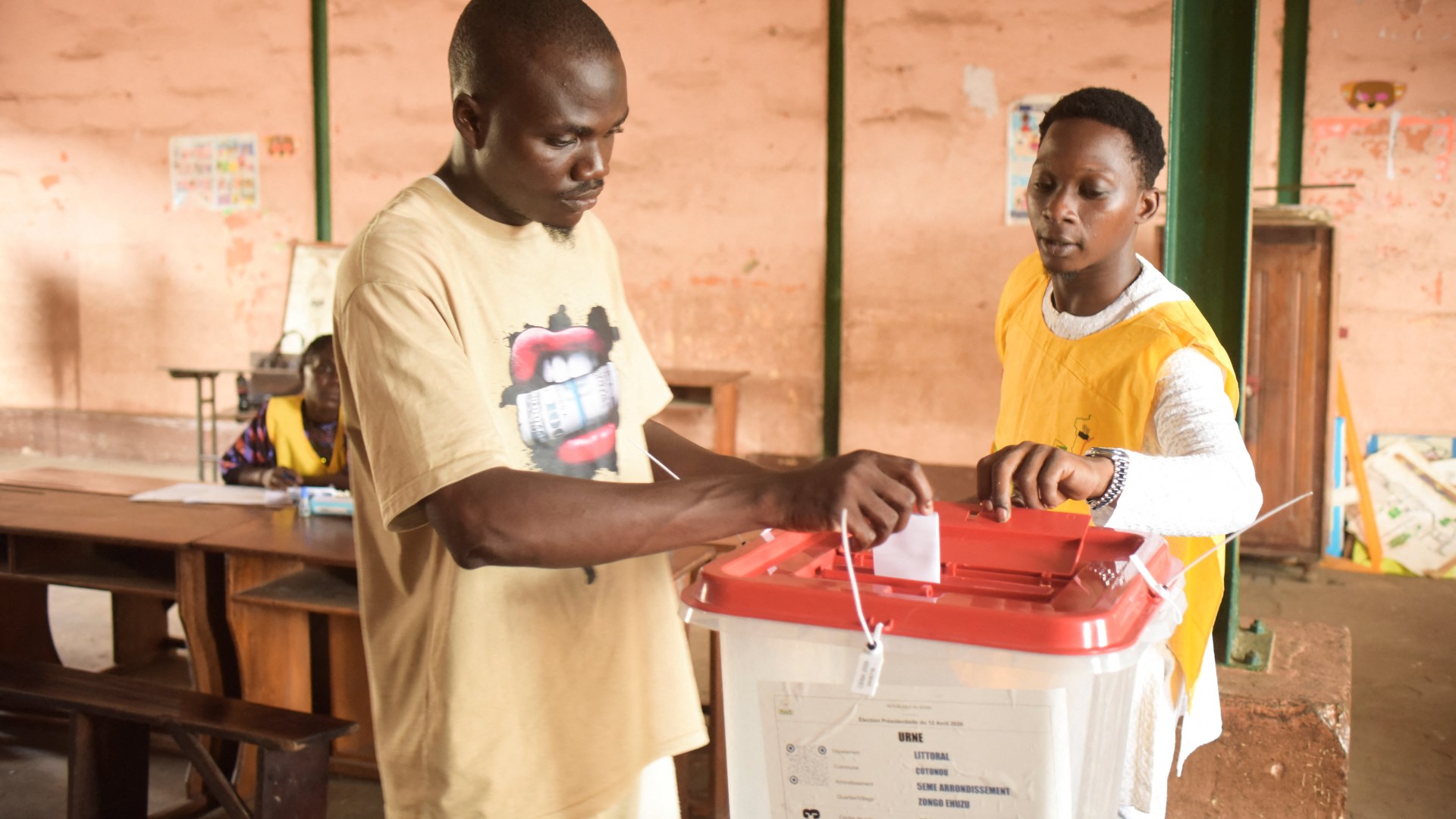
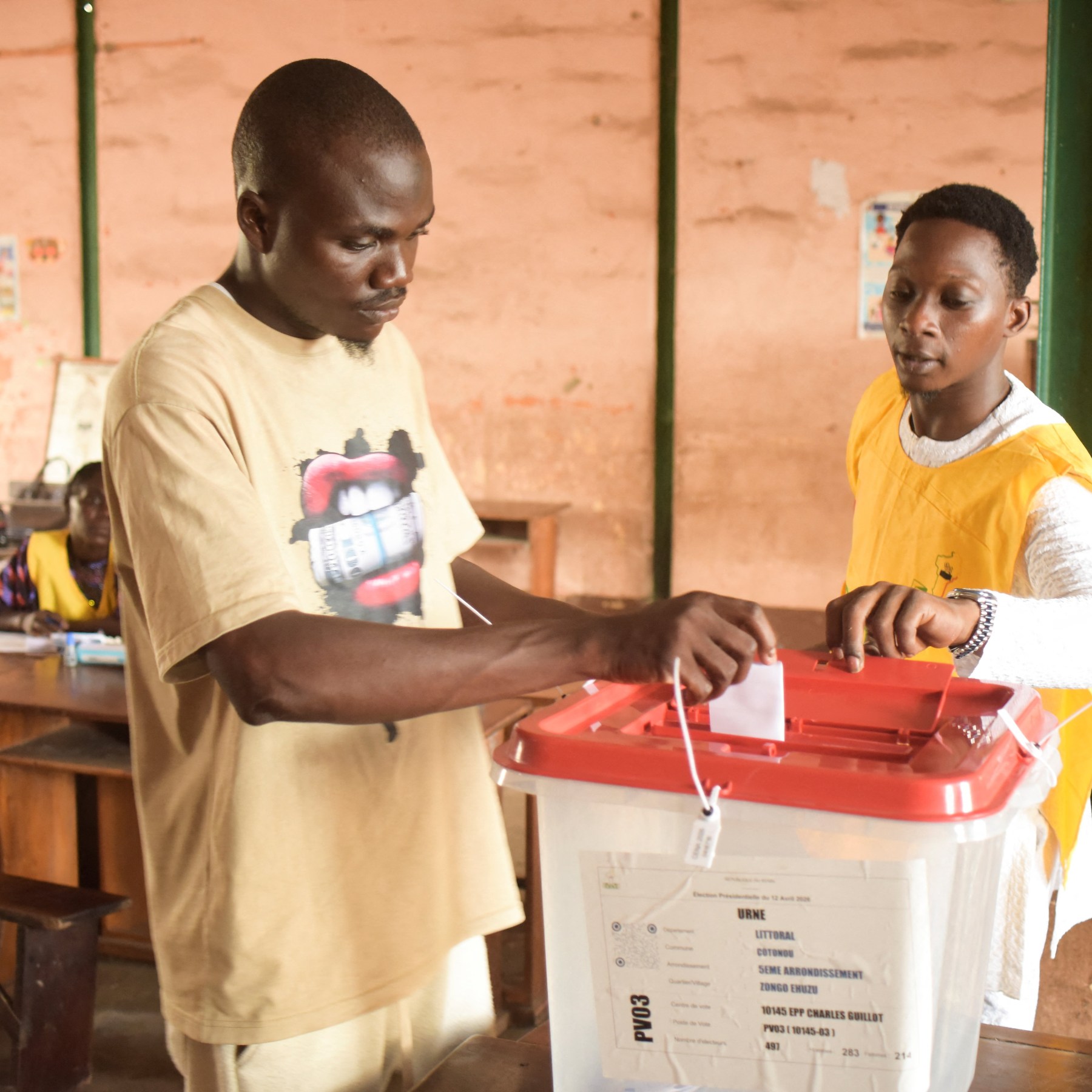
Benin is facing harsh economic conditions and security challenges that its new leader will have to address. Save Share Voting is under way in Benin’s presidential election with long-serving Finance Minister Romuald Wadagni expected to win in the absence of a major challenger. Polls opened at 7am (06:00 GMT) on Sunday and will close at 4pm (15:00 GMT). More than 7.9 million people are registered to vote, including 62,000 in the diaspora. Backed by the two main parties in the governing coalition and the outgoing president, Patrice Talon, Wadagni, a 49-year-old former Deloitte executive, is being challenged by Paul Hounkpe, an opposition figure and former culture minister whose campaign has been low-key. The member of the Cowry Forces for an Emerging Benin party got on the ballot with help from lawmakers of the two main ruling coalition parties after they refused to endorse the candidacy of Rene Agbodjo, head of the opposition Democrats party. Talon, 67, is barred from running again after two terms in office and is expected to step down with a legacy of mixed results: economic growth, which reached 7 percent last year, but also a clampdown on the opposition and his critics. In December, a group of military officers also tried and failed to overthrow Talon’s government. The new president will have to address major challenges, including a huge gap between the poor and well-off. The poverty rate is estimated at more than 30 percent, and many Beninese complain that the benefits of the economic growth over the past decade have not trickled down to them. Benin’s economic growth will also depend on improving security and stabilising the country. Benin has been the hardest hit among coastal West African states by armed fighters from the Jama’at Nusrat al-Islam wal-Muslimin (JNIM), an al-Qaeda affiliate that has made major gains in the central Sahel region. Wadagni has promised to deliver on bread-and-butter issues like expanding access to potable water and guaranteeing emergency healthcare regardless of ability to pay. “The next phase of the country’s development will be the eradication of extreme poverty. That is one of his priorities,” one of Wadagni’s close associates told the AFP news agency. Hounkpe has noted that the situation for many of Benin’s nearly 14 million people has not improved under previous leaders and has promised to bring about change. “If we make progress but none of us can afford three meals a day, we haven’t made any progress. Yes or no?” he asked at a rally this month. He has also decried what he described as a climate of fear as the political space for the opposition shrinks and the ruling coalition holds every seat in the National Assembly after the Democrats failed to win 20 percent of the vote in the last legislative elections, the threshold needed to enter the National Assembly. Provisional results are expected on Tuesday in an election in which many people said they will not vote. “I won’t go and vote. This election is not inclusive. You cannot talk about genuine democratic competition when some key political players are barred,” Arnold Dessouassi, a 39-year-old teacher, told AFP. Reporting from a polling station in the port city of Cotonou, Al Jazeera’s Ahmed Idris said voting has been slow and none of the ballot boxes is full. “There is a low turnout of voters on election day,” he said. He added that this low turnout is due to controversies surrounding the accreditation for candidates to run in the election. Other voters have spoken of the presidential election as a formality and urged Wadagni to deliver on his platform. “Once President Romuald Wadagni is at the head of this country, I would like him to promote and help young people to find work because we have many young graduates on the streets driving ‘zem’,” 34-year-old teacher Marcel Sovi told the Reuters news agency, using local slang for motorcycle taxis. Christelle Tessi, a 40-year-old trader, added that Wadagni should focus on improving security in the north, where JNIM killed 54 Benin soldiers in one attack a year ago and another 15 in an attack last month. “What is happening in northern Benin is that our brothers are being killed, and if a soldier goes there on a mission, it is his body that comes back,” she said.