huffpost Press
Joe Mantello Spent 31 Years Envisioning This ‘Death Of A Salesman’ Casting — Now It’s On Broadway
Images
1 / 12

2 / 12

3 / 12
4 / 12
5 / 12

6 / 12
7 / 12
8 / 12

9 / 12

10 / 12

11 / 12

12 / 12
Joe Mantello first envisioned himself directing “Death of a Salesman,” with Nathan Lane as protagonist Willy Loman, 31 years ago. Never mind that Mantello was directing a comedy ― 1995’s “Love! Valour! Compassion!” ― at the time, and Lane, then 39, was too young to play the role convincingly.

“It was just an instinctual moment I had,” Mantello told HuffPost. “I’ve always known Nathan was a consummate actor who could tackle anything, and I love working with him. He creates a relationship with an audience where they feel very protective towards him, which I think is helpful with the part. Over the years, we’ve talked about it, sometimes jokingly, and as time went on, it became more of a possibility. So, basically, here we are.”

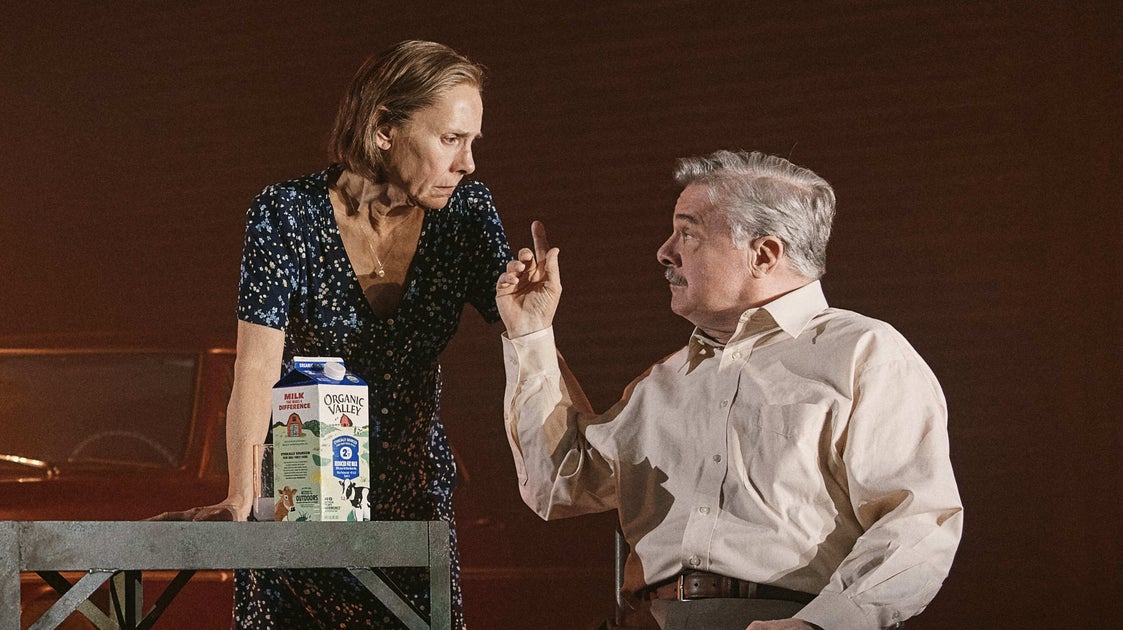
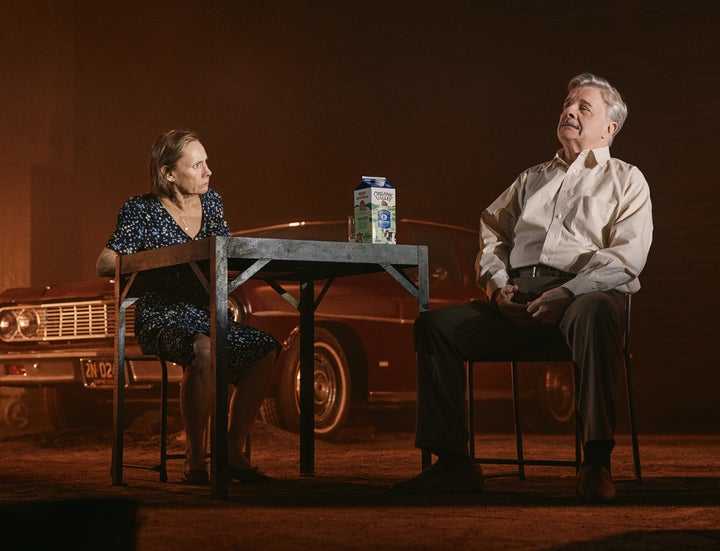
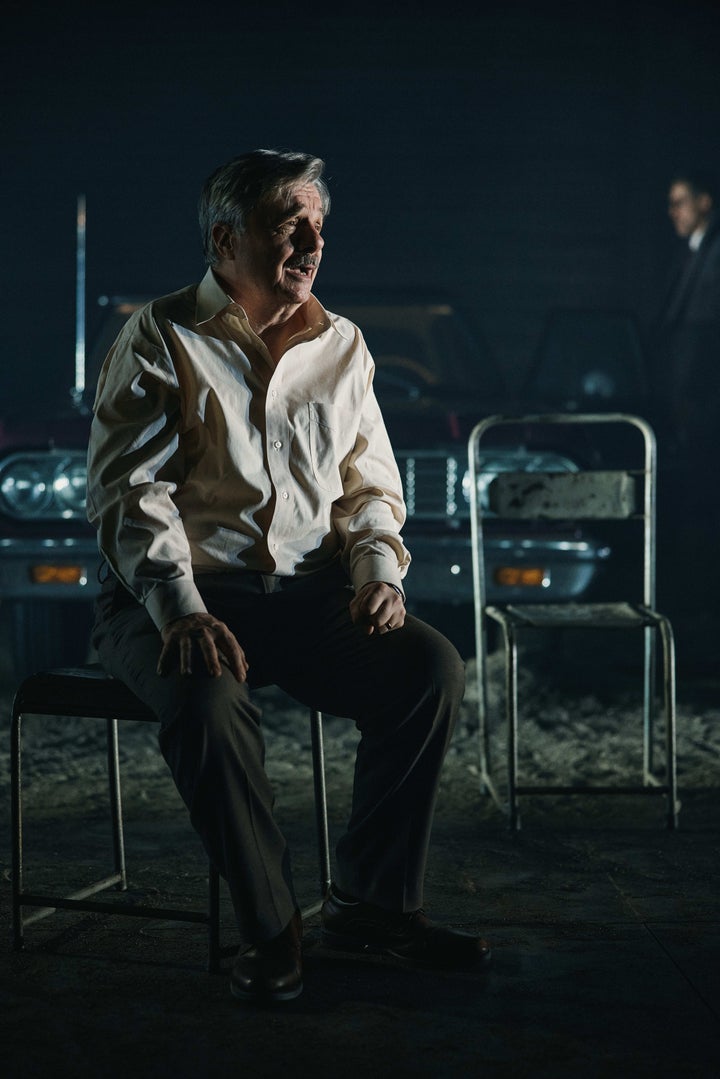
Mantello’s production of “Death of a Salesman,” starring Lane, opened on Broadway last week. By all accounts, the reimagining of Arthur Miller’s 1949 tragedy ― chronicling the final days of Willy Loman, a past-his-prime, cash-strapped everyman in deteriorating health and mental acuity ― feels bone-chillingly topical. Lane’s co-stars include Laurie Metcalf as Willy’s tormented wife, Linda, and Christopher Abbott and Ben Ahlers as their adult sons, Biff and Happy.

The new “Death of a Salesman” marks the seventh time the play has been produced on Broadway. As Mantello began fleshing out his version, he sought out a draft of the play’s script from 1948, which included many of Miller’s handwritten notes on the margins.

Using that draft as a springboard, he and scenic designer Chloe Lamford opted to place the action inside an industrial, almost dystopian setting that, at times, resembles a parking garage or a subway station rather than a realistic version of the Loman family’s New York home. Rudy Mance’s costumes are deliberately anachronistic, evoking both midcentury and present-day styles.

Mantello also breaks from tradition by enlisting two actors, Joaquin Consuelos and Jake Termine, to appear as Biff and Happy, respectively, in their younger years. In some scenes, the pair even appear alongside Abbott and Ahlers as the older versions of their characters.

“One of the things that Miller talks about [in his notes] is that the scenes from the past aren’t flashbacks, they’re concurrences, meaning they’re happening at the same time as the scenes in the present,” he said. “It takes place in a psychological space, where Willy is conjuring up all of these scenes. For him, it’s not a revisiting, but a haunting of the past and the present at the same time.”

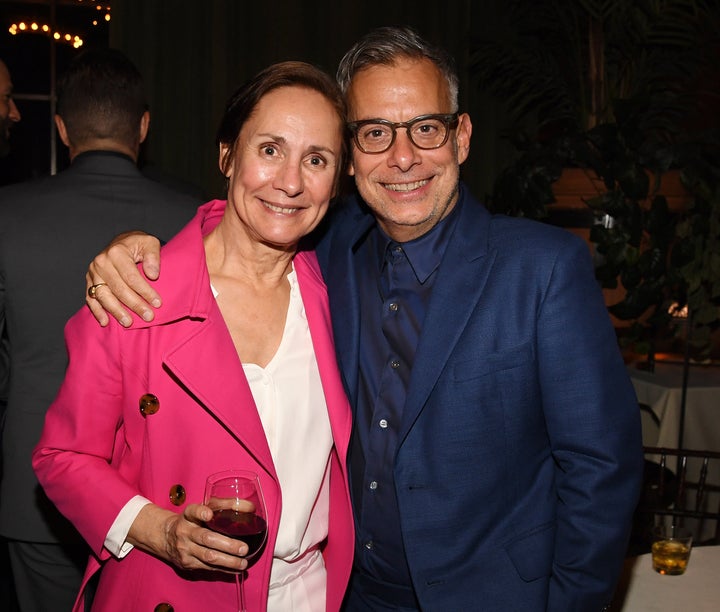
“Death of a Salesman” also marks Mantello’s eighth time working with Metcalf, a two-time Tony and four-time Emmy winner. The actor told Vogue last week she avoided viewing earlier productions of “Death of a Salesman” in order to “come at it as fresh as I could,” an approach Mantello says has paid off.

“She’s probably the longest-running creative partner that I’ve had, and it’s reassuring to have her in the room. She’s like this North Star of the kind of actor I wanted to be,” he said. “She’s like a detective, trying to find clues just within the text itself and not making any assumptions about the role.”

An Illinois native, Mantello rose to prominence as an actor, making his Broadway debut in “Angels in America” in 1993. His most widely recognized achievement as a director is the original 2003 Broadway production of “Wicked,” starring Kristin Chenoweth and Idina Menzel. Other highlights of his directorial résumé include “Take Me Out” and “Assassins,” for which he won back-to-back Tonys in 2003 and 2004, as well as the 2018 revival and 2020 Netflix film adaptation of “The Boys in the Band.”

As to why Mantello believes “Death of a Salesman” ― interpreted by many as Miller’s searing commentary on the lie of the American dream ― resonates in the current sociopolitical climate, he said, “There’s an anger in our country right now among people who feel like they’re being erased, and a kind of violence in that erasure. It’s a play about obsolescence, and what it feels like when you’re disappearing. And you really, really feel that in our country right now.”

By all accounts, New York theatergoers seem to agree. “Death of a Salesman” has garnered near-unanimous praise from critics, and the play is poised to be a frontrunner in many categories at the Tony Awards in June.

So what does Mantello hope to tackle next?

“A good long rest,” he quipped. “Working on these masterworks is like going to the gym. They really force you to build up your muscles, because they ask everything of you.”

By entering your email and clicking Sign Up, you're agreeing to let us send you customized marketing messages about us and our advertising partners. You are also agreeing to our Terms of Service and Privacy Policy.