Press
Chris Mason: Ministers have to close asylum loopholes while protecting genuine cases
Images
1 / 9

2 / 9
3 / 9

4 / 9
5 / 9
6 / 9
7 / 9
8 / 9
9 / 9
At the heart of the arguments that rage around immigration and asylum are two of the most potent ideas in politics: fairness and control.

A perceived absence of either, let alone both, is potentially toxic and particularly so around issues as salient and often divisive as how many people, and who, should be invited to live here and remain here - and on what basis.

A tracker poll by YouGov suggests immigration and asylum have been seen by many over the last 15 years as among the most important issues facing the country, alongside the economy and the health service.

Think about that: in that time we have had the Brexit referendum and the Conservatives, Liberal Democrats and Labour in government at Westminster.

In other words, while plenty, outwardly, has changed, there has been a stickiness to the electorate's concern about these issues and, it seems reasonable to deduce, a persistent sense of governments, plural, failing to grip them.

That is why this BBC investigation is so significant. We are used to seeing one very visible element of many asylum claims – those arriving across the English Channel on small boats.

What this exposé casts a light upon is a much less visible element. You can read the first part of Billy Kenber and Phil Kemp's reporting here.

And you can read the second part here.

People in government tell me they were aware of this cheating and point to a change in the law coming next week that, they claim, will make it easier to withdraw support and accommodation from claimants who can be proved to be fraudulent and after that they would face deportation.

Ministers are also not ruling out closing down visa routes where it is clear a disproportionate number later go on to claim asylum fraudulently. Let's see.

In response to the BBC's investigation, Reform UK have said that if they were in government they would make facilitating a false asylum claim what is known as a "strict liability offence", meaning there would be no requirement to prove intent in prosecutions.

Ignorance, in other words, would not count as a defence.

Meanwhile, the Conservatives said the BBC's reporting had exposed a "racket", the Liberal Democrats said it was "abhorrent".

But the question now is: can loopholes be closed while protecting the genuinely vulnerable?

Plus, crucially, can this government and its successors, in their management of immigration and asylum, demonstrate the necessary fairness and control?

Sign up for our Politics Essential newsletter to keep up with the inner workings of Westminster and beyond.

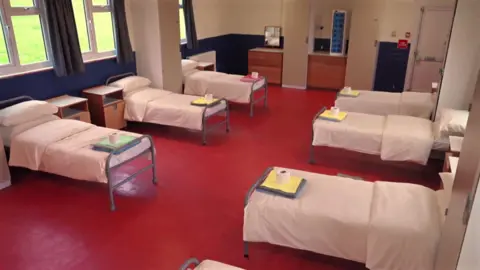
The camp is at more than half of its capacity, nearly three months after the first people moved in.

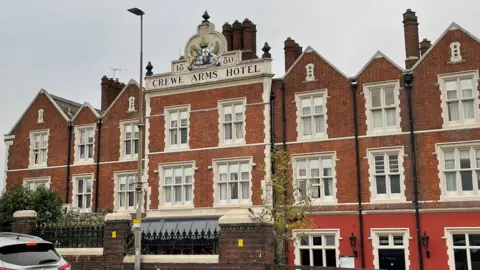
Police say there have been an "unacceptable" number of incidents at or near the 19th Century hotel.

The government says the fall is partly due to housing people in alternative sites such as military barracks.

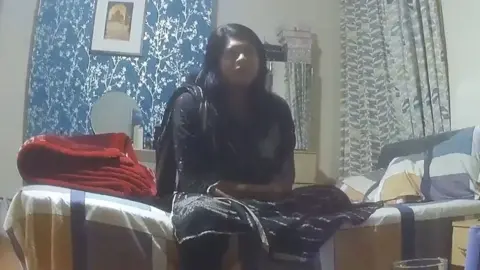
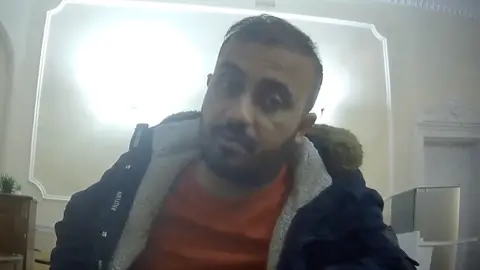
The BBC exposes a shadow industry charging migrants thousands of pounds to help them cheat the asylum system.

In the second part of an undercover investigation, the BBC exposes elaborate deceptions being used to bolster fake asylum claims.