huffpost Press
An Alarming Number Of Congress Members Have Been Accused Of Sexual Misconduct — But ‘The Reality Is Much Worse’
Images
1 / 7

2 / 7
3 / 7

4 / 7

5 / 7

6 / 7

7 / 7
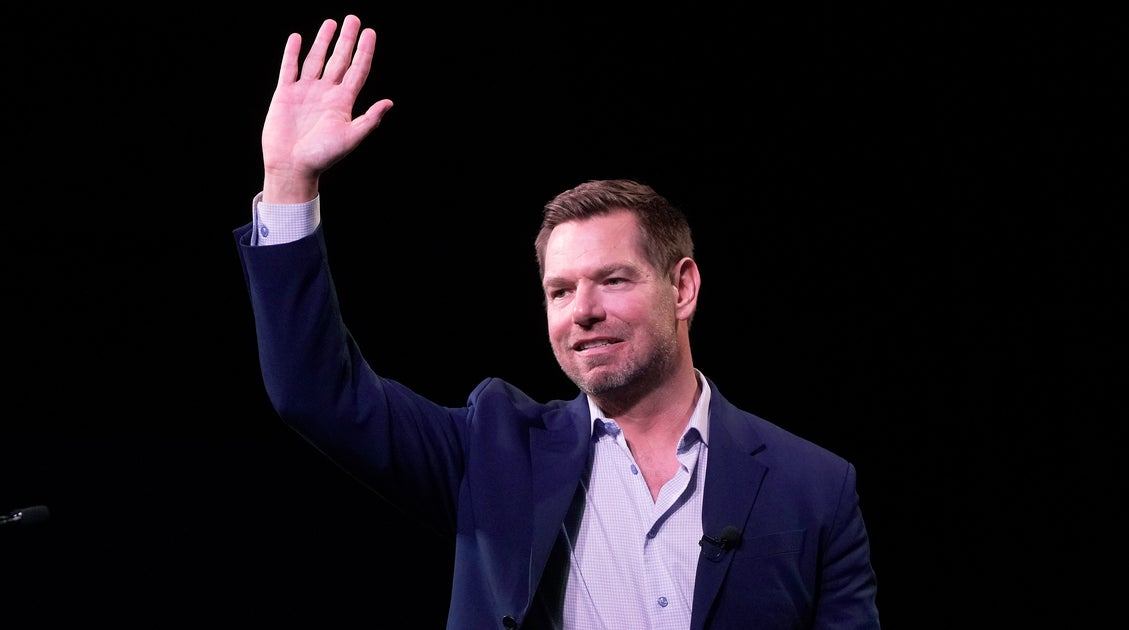
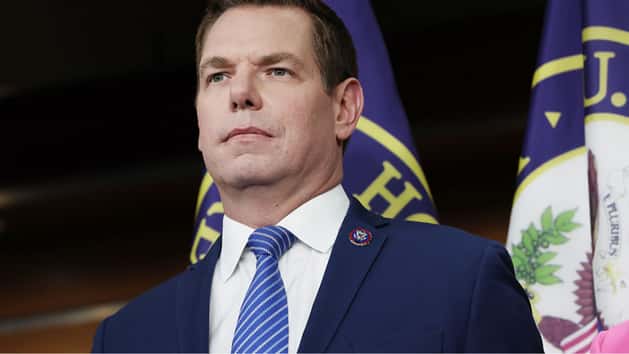
Earlier this month, Reps. Tony Gonzales (R-Texas) and Eric Swalwell (D-Calif.) resigned from the House on the same day following separate allegations of sexual misconduct, ranging from sexual harassment to assault and rape. New data from the National Women’s Defense League shows just how widespread sexual misconduct in Congress really is — and how resignations are often used to thwart accountability.

NWDL, a national nonprofit group working against sexual misconduct in politics, on Tuesday released its first-ever comprehensive report on sexual misconduct in Congress. In the last 20 years, 49 members of Congress have been publicly accused of some form of sexual misconduct both inside and outside of the workplace, totaling 133 accusations, according to NWDL. Of those, 30 members were accused of workplace sexual harassment, totaling 53 accusations.

Sexual misconduct in Congress is an issue on both sides of the aisle. Among the congressional members accused, 60% are Republicans and 40% are Democrats — and nearly all of them were men.

NWDL also released its annual report of sexual misconduct in state-level politics. Since 2013, 162 state officials have been publicly accused of 424 incidents of sexual misconduct. The party breakdown among accused state-level lawmakers is about the same as the federal level — 52% are Republican and 48% are Democrat.

These numbers are likely an underrepresentation of how much actual sexual misconduct takes place, Emma Davidson Tribbs, founding director of NWDL, told reporters on Tuesday. The number of sexual harassment accusations in Congress is likely three times higher than what the organization’s data shows, reads the report, as around 70% of people who experience workplace sexual harassment never report it.

“Understand that what we’re presenting are conservative public-facing counts. The reality is much worse,” Davidson Tribbs said. “These numbers understate the harm. They don’t deny it.”

Of the state and federal lawmakers publicly accused of sexual misconduct, 23 are running for reelection in 2026 — 13 on the state level and nine in Congress. Around 80% of accused lawmakers running for reelection are likely to win, according to NWDL.

One contributing factor that leads to successful reelections for accused lawmakers is the option to resign. Former New York Gov. Andrew Cuomo (D) resigned in 2021 following a dozen allegations of workplace sexual misconduct. Three years after his very public fall from grace, he mounted a relatively successful run for New York City mayor, which he eventually lost to Zohran Mamdani.

“It is an ongoing problem that there’s kind of a ‘get out of jail free’ card,” Davidson Tribbs said of lawmakers like Swalwell and Gonzales who were able to resign — immediately putting a stop to any congressional investigation into their alleged behaviors. She added that resignation allows some federal and state-level members to retain certain benefits like their pension or lifetime floor privileges in their chambers.

“You can resign with dignity, and then we stop a political tsunami. We don’t have to keep talking about this, and we can move on to the politics of the day,” Davidson Tribbs continued. “Resignation stops the immediate story, but it does not reform the system.”

Once a politician resigns, the only recourse for survivors is to go to law enforcement or rely on the court system — experiences that are known to be lengthy, expensive and riddled with their own issues of accountability.

Over 75% of workplace sexual misconduct allegations on the federal level involve legislative staffers who don’t have a safe space to report sexual misconduct, according to NWDL. Current and former state legislators echoed this issue at the state level during the call with reporters, noting that the committees tasked with investigating reports of workplace misconduct are often composed of perpetrators or people loyal to them.

“Staff are uniquely vulnerable in legislative spaces,” former Indiana state Sen. Elise Shrock (D) said. “Proximity plus dependency equals risk and too often silence. And if we want legislatures or any level of government to function with integrity, we have to build systems that staff actually trust — not ones that exist on paper, but ones that hold accountability in practice day-to-day.”

Tennessee state Rep. Aftyn Behn (D) described the reporting process as “incestuous” and “enmeshed,” making it unsafe for victims to come forward. Behn added that staff experiencing workplace harassment in the Tennessee legislature have now started coming to her office to report because they don’t feel the current system holds perpetrators accountable.

In a rare statement on Monday, the House Committee on Ethics — the federal panel tasked with investigating misconduct charges — defended its recent investigations into Swalwell and Gonzales. But the panel, made up of an equal number of unidentified Democrats and Republicans, acknowledged some shortcomings that could allow violations to go unaddressed, including the fact that once a member resigns or retires, the incident is no longer under the committee’s jurisdiction.

The House panel also recognized that there “likely exist matters never reported to the committee” because “the greatest hurdle the committee faces in evaluating allegations of sexual misconduct is in convincing the most vulnerable witnesses to share their stories.”

The federal data used in NWDL’s report comes from a combination of public records, media and official government sources, including the Office of Congressional Workplace Rights and the Office of Congressional Conduct. Read NWDL’s Congressional report here and its state-level report here.

By entering your email and clicking Sign Up, you're agreeing to let us send you customized marketing messages about us and our advertising partners. You are also agreeing to our Terms of Service and Privacy Policy.