Press
How to enjoy the World Cup - and keep your boss on side
Images
1 / 12
2 / 12
3 / 12
4 / 12

5 / 12

6 / 12

7 / 12
8 / 12
9 / 12

10 / 12

11 / 12

12 / 12
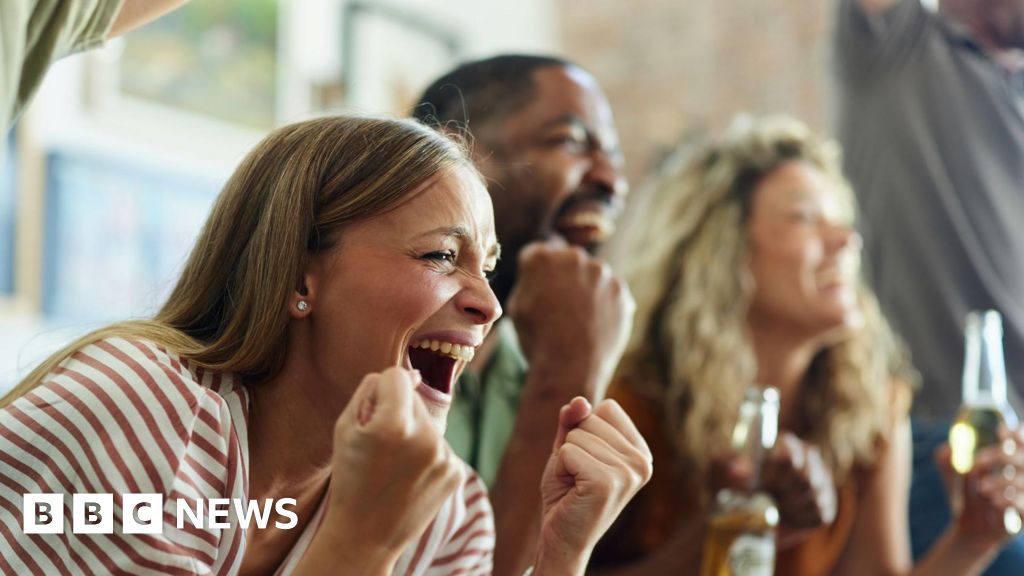
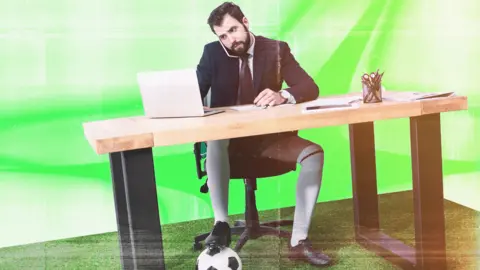
With the 2026 FIFA World Cup about to get under way, many fans in England and Scotland are honing their strategy to balance late kick-offs with work the next morning.

Matches are happening across the US, Canada and Mexico, with England's group games starting at 2100 and 2200 BST and Scotland's even later at 2300 and 0200.

Some football fans have already strategically booked annual leave around potential knockout fixtures. Others are hoping to negotiate flexible working - later starts or working from home after late-night matches.

Scotland fan Cameron Rae has already booked the Monday after the Haiti game off work so he can attend a Tartan Army fan zone at his local town hall, complete with a bar and DJ running until 4am.

Pubs will be allowed to stay open until 01:00 BST for England or Scotland matches in the knockout stages that kick off between 17:00 and 21:00 and until 02:00 for kick-offs between 21:00 and 22:00.

Rae says: "I booked the Monday off a while ago. I work in a garage and we're open as normal, so I probably wouldn't get away with flexible working."

Fellow Scotland fan Krys Kujawa, a business analyst, thinks he can survive the late-nights without needing days off work - just about.

"Haiti is early Sunday morning so there's still all of Sunday to recover," he says. "Morocco is late Friday night so you can just stay up and sleep in on Saturday. Brazil is the difficult one - that's coffee-your-way-through-work territory."

In Scotland, there will be a one-off national Bank Holiday on 15 June to celebrate the national team playing in its first World Cup since 1998. All NHS Scotland staff and Scottish government employees are entitled to the day off. Local councils can choose to opt in or out and private businesses are not legally obligated to close or grant the extra holiday.

Kujawa says he would have "preferred the Bank Holiday after the Brazil match" as it's a "bit of a buzzkill" knowing you have to go to work the next morning.

Unions and employment experts have warned businesses to prepare for a spike in so-called "World Cup sickies".

BrightHR, which monitors absences across more than one million UK employees, predicts at least 1.5 million workers will call in sick during the tournament, resulting in more than 2.3 million additional sickness absences.

Meanwhile, research by workforce management company UKG suggests the World Cup could cost UK employers around £681m in lost productivity.

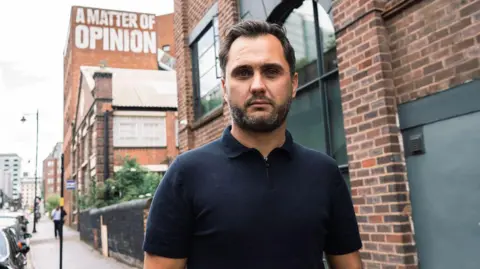
One company hoping to avoid any "World Cup sickies" is Birmingham-based digital agency Pull the Pin where founder Sam Hufton has expanded the firm's flexible working policy.

"As a keen football fan, I've reminded everyone that if they want to watch a game and start a bit later, that's fine, all we ask is that they're transparent about it," he says.

"Everyone sets out a weekly plan of roughly when they're starting and finishing each day, so the whole team knows where everyone is."

Hufton says the policy is about morale as much as football.

"Not everyone's a football fan, but plenty will be, especially families who want to watch together. Whoever does take it up, I just want them to really enjoy it."

He says the company has embraced similar approaches during previous tournaments, including giving staff the morning off after England's Euro 2024 final against Spain.

"We all know how that turned out but it meant everyone could enjoy it and start back up at lunchtime. We'd happily do the same again."

Hufton says he'll be watching all the games with either his "two boys who are really into it or with good friends and a few beers".

He will be getting married on 11 July which potentially could be an England quarter final game and "combining the two could be interesting," he says.

Pull the Pin's social media manager Sharna Beveridge says she's not a massive football fan but is getting in the spirit thanks to the hype at work.

"The office has completely lost the plot... in the best way possible," she says. "We've even got our own competition going.

She says she'll likely watch the England games with friends and start a bit later.

"The extra couple of hours in bed will definitely sway my decision to go out rather than stay in," she says.

David D'Souza, a director at the CIPD, the professional body for HR, says: "Employers should be clear about their expectations and encourage employees to book time off where games, or any after-effects, could affect work performance."

While John Palmer, senior advisor at conciliation service Acas says football fans should "let your employer know what your intentions are as soon as possible, to see what they can accommodate".

Ultimately, it is about fairness and flexibility, Palmer says.

"Be fair with your employer, your employer will be fair with you."

In April, more than 450,000 sq ft of office space was leased by artificial intelligence companies.

Customers want great value but that doesn't necessarily mean the cheapest products, says Pano Christou.

The rise in remote working means many professionals are choosing to settle in coastal and rural towns.

Sgt X pretended to work from home by weighing down her keys so her computer would not go to sleep.

Deputy John Gollop says "honest conversations" were needed to find ways to accomodate working members.