Press
Cuba: Between charcoal and solar panels
Images
1 / 20
2 / 20
3 / 20
4 / 20

5 / 20

6 / 20

7 / 20

8 / 20

9 / 20

10 / 20

11 / 20

12 / 20

13 / 20

14 / 20

15 / 20

16 / 20

17 / 20

18 / 20

19 / 20

20 / 20
Save

Share

Havana, Cuba - In an electronics store in central Havana, Camilo Merejon carefully examines several photovoltaic systems displayed on the floor. Around him, customers move between solar panels, lithium batteries and solar-powered fans, comparing prices and asking sales staff for information.

The 61-year-old taxi driver studies the price tags closely. A three-kilowatt solar system costs $3,678, while a 10-kilowatt installation exceeds $10,000.

"To cover my basic needs, maybe three kilowatts would be enough" he says. "My Italian friends want to help me buy one, but it's extremely expensive."

Like millions of Cubans, Camilo has grown accustomed to living without electricity for long periods. On the day he visits the store, his neighbourhood of Regla has been without power for 26 hours.

Since the beginning of 2026, Cuba has been facing one of the worst energy crises in recent history. Long dependent on Venezuelan oil, the island now struggles with fuel shortages and an ageing electrical grid weakened by decades of underinvestment. Across much of the country, blackouts last more than 12 hours a day.

Faced with this reality, Cubans are adapting however they can. But the crisis is not affecting everyone equally. Those with savings, successful private businesses or financial support from relatives abroad are investing in solar panels and lithium batteries. Others are turning to charcoal and homemade stoves. The energy crisis is creating a new fault line within Cuban society.

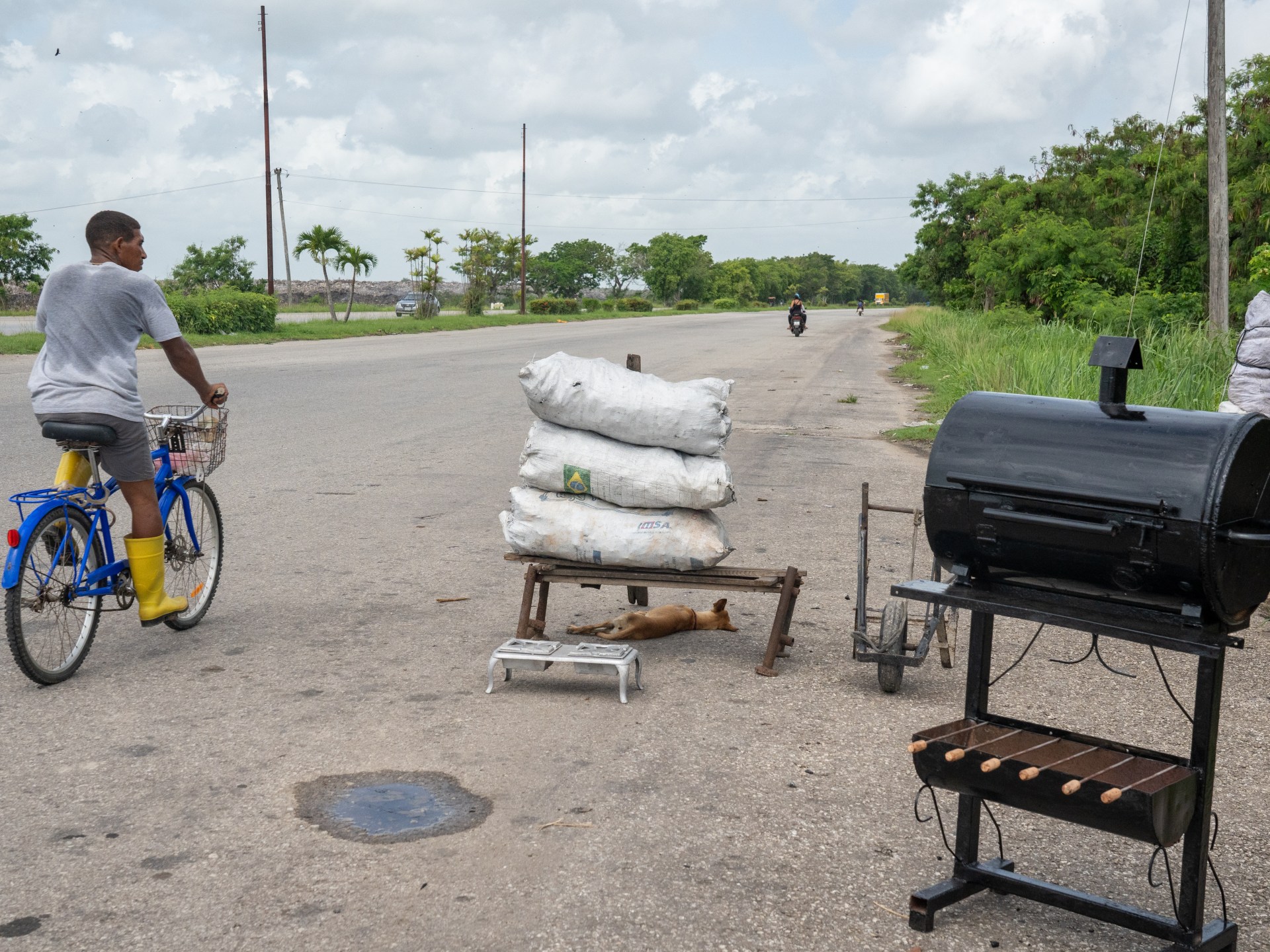
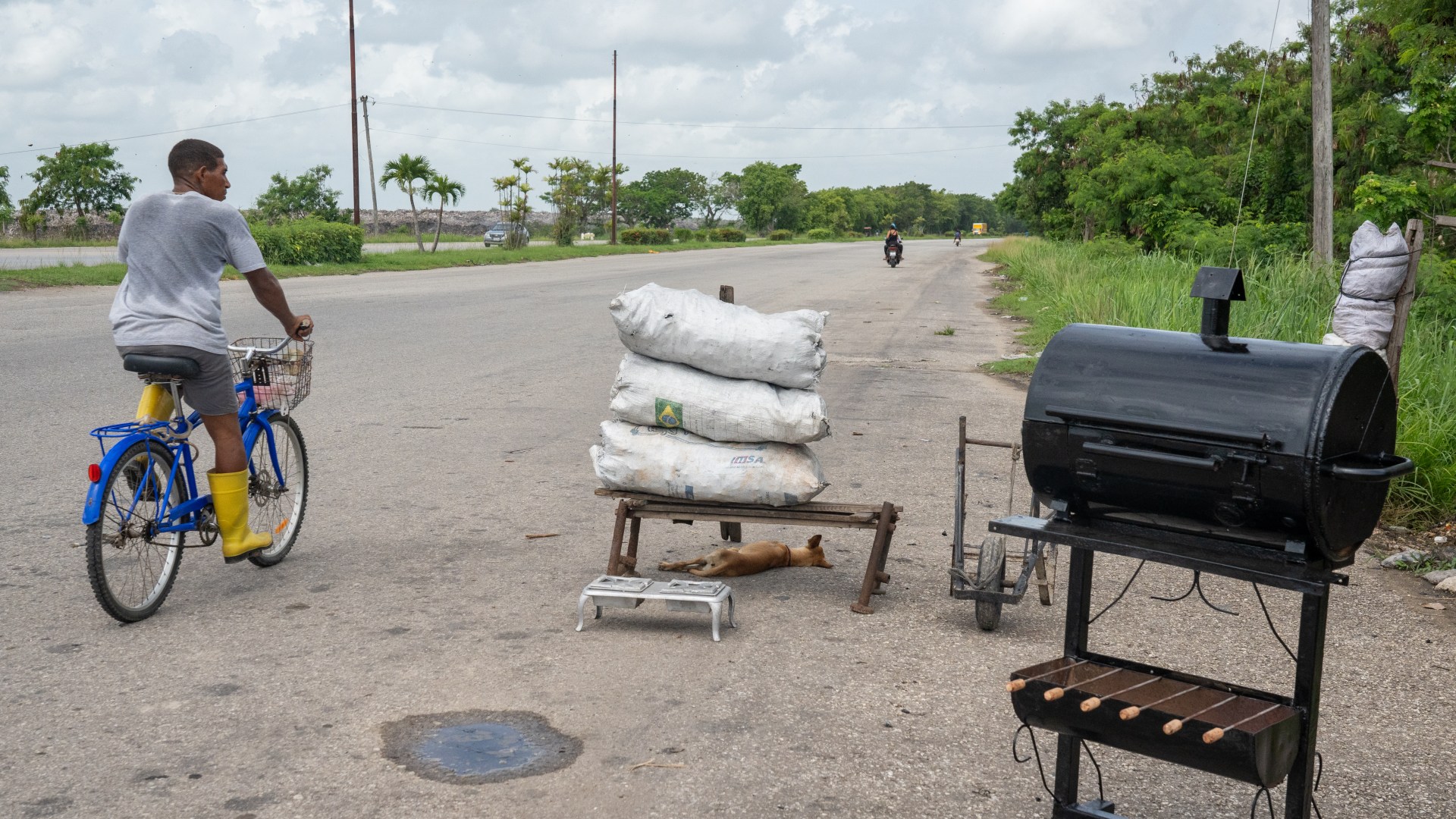
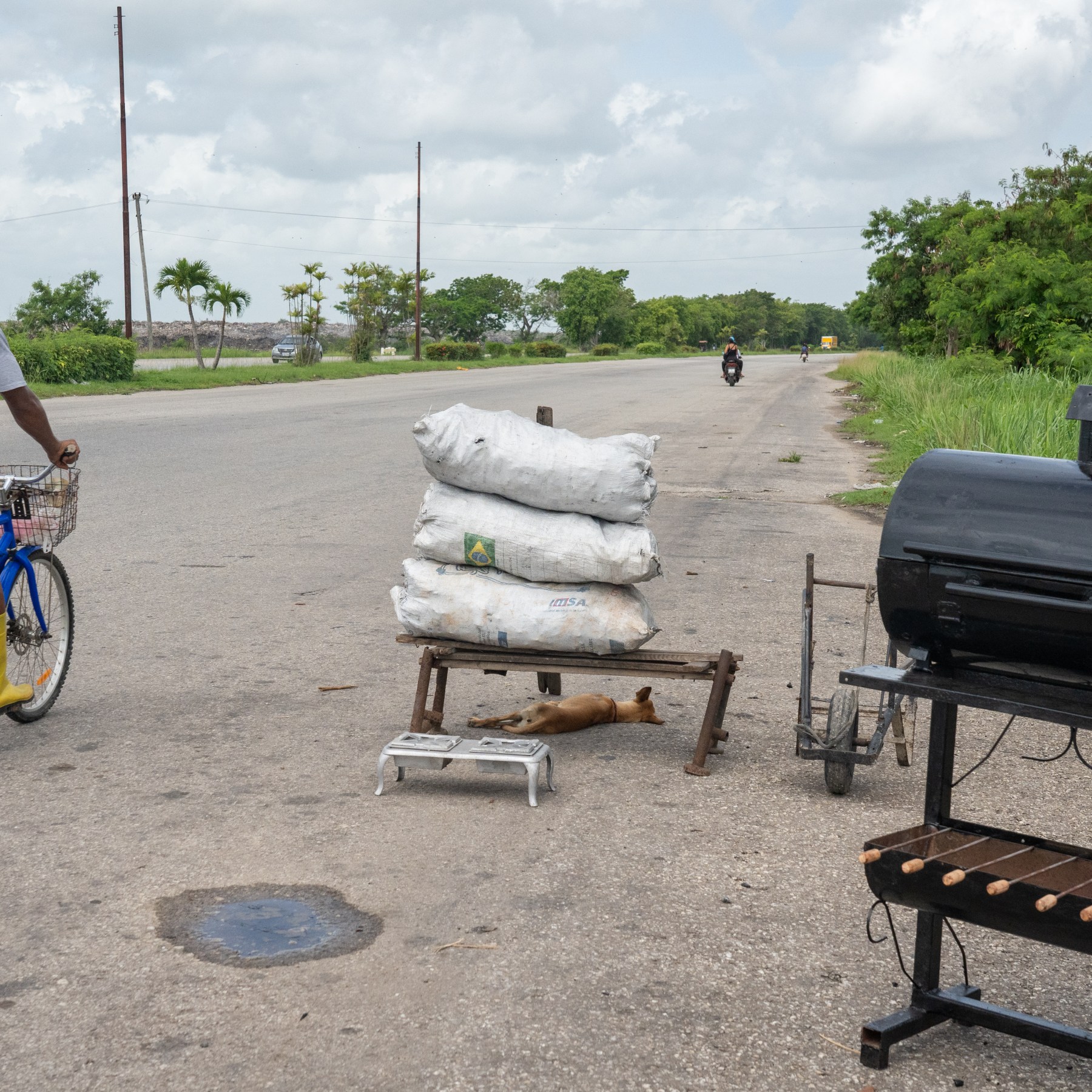
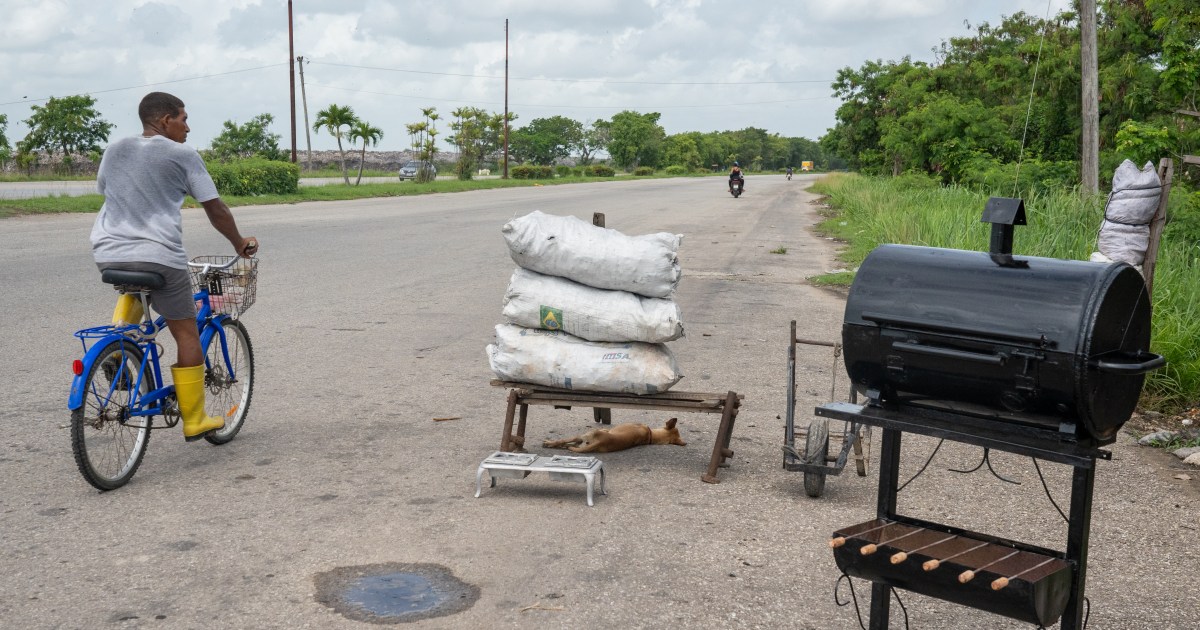
On the side of a dusty road in Cotorro, on the outskirts of Havana, bags of charcoal are stacked beside homemade stoves built from metal sheets. Cars occasionally slow down and pull over to buy charcoal.

Amora Rodriguez sells charcoal seven days a week and says she has never seen so much demand.

"More and more people are buying it because of the power outages " she says. "Things are becoming increasingly difficult."

A bag of charcoal costs around 2,500 Cuban pesos - roughly $4 at the informal exchange rate, or nearly half an average monthly salary.

"People have to find alternatives," she adds.

The trend is particularly visible in Havana's working-class neighbourhoods and across the rest of the country. While some residents of central Havana still benefit from a piped gas network, most Cubans rely on gas cylinders and with current shortages, they have become increasingly difficult to obtain. Instead, many families have turned to charcoal for cooking.

Inside their home in Cotorro, Cari and Idalberto Espinoza prepare lunch. In the kitchen, a pressure cooker sits atop a charcoal stove while thick smoke slowly rises towards the ceiling.

"We have very little gas, so we're forced to cook with charcoal," says Cari.

The couple only began using this method a few months ago.

"It takes longer and produces a lot of smoke. But we don't have a choice," she said.

"Most people cook with charcoal here now."

Several kilometres away, along Havana's iconic Malecón waterfront, a different reality is taking shape. Under the midday heat, workers move large photovoltaic panels across the roof of the Fuego Lento restaurant overlooking the sea. Several floors below, customers eat lunch while technicians drill, bolt and connect the new installation.

Josecal Duarte, one of the technicians overseeing the project, has witnessed demand surge.

"More and more people are importing solar panels and batteries. They're buying them for their businesses, for their homes, to survive."

A 615-watt solar panel costs about $160 before transport and installation. Most homes and businesses require several panels, along with lithium battery systems capable of storing electricity generated during the day.

Inside the restaurant, owner Aris Lopez Torres says she spent years searching for ways to keep her business afloat. First came a generator, then lithium batteries, but rising fuel prices and increasingly frequent blackouts quickly exposed the limits of both options.

"It was either this or close the restaurant," she says. "Without electricity, we can't do anything."

The photovoltaic installation will not cover all of the restaurant's needs, but it allows essential equipment to keep operating.

"The refrigerators are the priority," she explains. "We're only using one air conditioner out of three now. It's survival economics because the situation is very serious."

Across the capital, solar installation companies and battery retailers are struggling to keep up with demand.

"Demand keeps growing," says Mario Perdomo, who works for MIDICAS, a company that installs solar systems throughout Cuba.

"People want to be prepared when the power goes out," adds Elizabeth Diego, a saleswoman in central Havana.

For a large part of the Cuban population, however, these technologies remain out of reach.

Some institutions are also trying to adapt. In Havana's El Cerro district, a retirement convent has begun a modest transition towards solar energy. Thanks to donations from churches in Florida, it has installed a few photovoltaic roof panels and acquired several rechargeable solar lamps. In the convent courtyard, Sister Concepción Sánchez places one of the lamps in the sun so it can recharge before nightfall.

But the system remains far from sufficient.

"We are only beginning a small solar project, within our means," she said. "We need more panels but they are very expensive."

On the day of the interview, the convent had already been without electricity for 20 hours.

"We do what we can. This is a very large place, and the energy generated by the panels is not enough."

After crossing Havana Bay by ferry, Camilo returns home to Regla.

The electricity supply has still not come back on. Daylight enters through the open windows, but the fans are silent and the appliances remain off.

His taxi has been parked for weeks. A litre of petrol costs about $10 on the black market – unaffordable for many Cubans.

"I had to stop working," he says. "At my age, nobody is going to hire me."

At home, he relies on a small rechargeable battery to charge his phone and, occasionally, those of his neighbours, but he knows that a complete solar installation remains beyond reach without outside assistance.

"You can save money for years and lose everything because of this crisis," he said.

Just a few hours earlier, he had been studying the solar panels on display in central Havana. For some Cubans, they represent an escape from the blackouts, but for others, they remain unattainable.

Sitting in his apartment after more than 20 hours without electricity, Camilo sees no immediate solution.

"I don't see the end of this problem " he says.