huffpost Press
Aliya Rahman Hits DHS With Another Federal Complaint Over ICE Assault In Minneapolis
Images
1 / 4

2 / 4

3 / 4

4 / 4
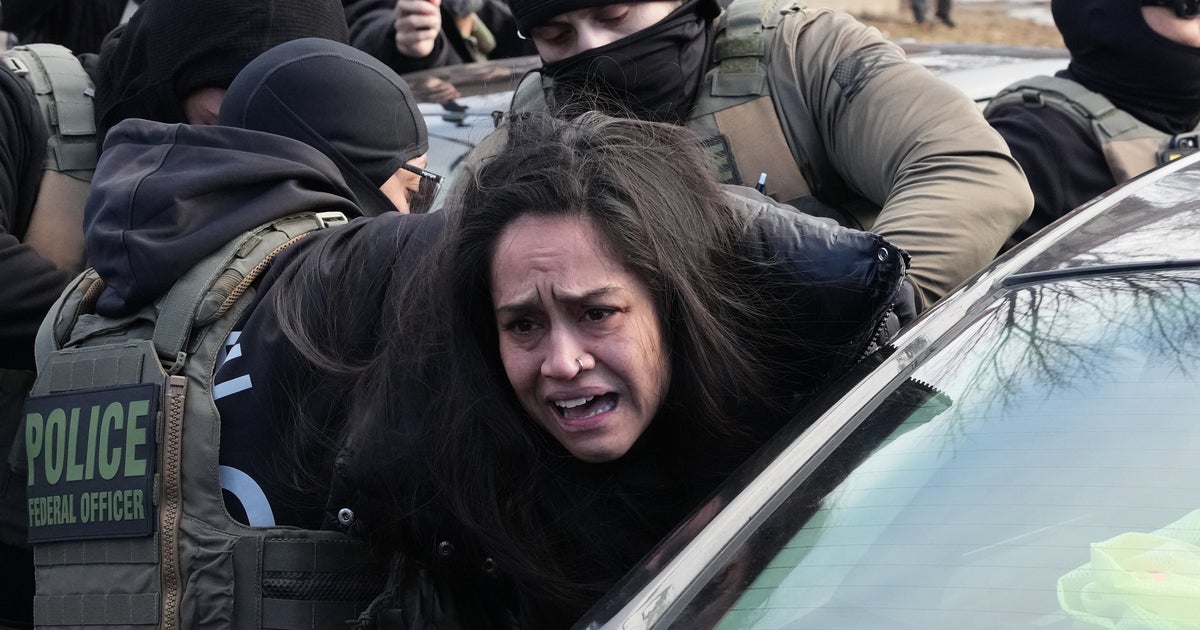
WASHINGTON – Aliya Rahman, the Minneapolis resident whose image went viral earlier this year when federal immigration enforcement agents dragged her out of her car on her way to a doctor’s appointment, filed a federal complaint on Tuesday alleging the officers violated disability and human rights laws.

Attorneys for Rahman, a Bangladeshi American software engineer who is autistic and has physical disabilities, filed the complaint with the Department of Homeland Security’s Office of Civil Rights and Civil Liberties. It calls on the office to open an investigation into her violent assault and arrest on Jan. 13, and the subsequent inhumane treatment she experienced in a detention center, where federal officers left her unconscious on the floor in a cell.

“Officers ignored her repeated requests for disability accommodations and deteriorating health until she was unconscious on the floor of her cell at the Bishop Henry Whipple Federal Building,” reads the 17-page complaint, filed by The MacArthur Justice Center and legal firm Friedman, Gilbert + Gerhardstein. “Ms. Rahman was never charged with a crime. She lives with lasting injuries and trauma from that encounter with federal officers.”

The complaint also claims that federal officers violated Rahman’s First, Fourth, and Fifth Amendment rights, as well as Section 504 of the Rehabilitation Act of 1973 and international human rights laws.

“The brutal treatment Ms. Rahman received at the hands of her own government was not an aberration but part of a troubling pattern by DHS and its officers of unlawful and inhumane conduct,” Chisato Kimura, one of Rahman’s attorneys with the MacArthur Justice Center, said in a statement. “To date there has been little to no accountability for federal officers who have violated the rights of civilians across the country.”

Here’s a copy of Rahman’s complaint, first obtained by HuffPost:

In a Tuesday interview, Rahman acknowledged it’s hard to imagine DHS taking her complaint seriously, considering “we’re watching them unconstitutionally violate everybody’s rights.” The Trump administration has severely gutted the agency’s civil rights office, slashing its staff by a whopping 85%. But the office still serves as an avenue for seeking justice, and Rahman is prepared to take action on every front.

“I’m not willing to stop doing my job just because they’ve stopped doing theirs, and it’s important to me to sometimes plant trees that I might not ever sit under,” she told HuffPost. “I think one way that our rights get eroded is when we give up on having them. To me, what this document says is, ‘Federal government, is this what you think the law says?’”

Rahman’s arrest came at the peak of the Trump administration’s Operation Metro Surge, when thousands of Immigration and Customs Enforcement officers flooded Minnesota in search of brown and Black people to detain, regardless of their citizenship status. Their monthslong siege traumatized immigrant communities, injected violence into peaceful community protests and resulted in federal agents fatally shooting two U.S. citizens in broad daylight, Renee Good and Alex Pretti.

Rahman has now filed two federal complaints against DHS officers. In April, she filed a Federal Tort Claims Act claim alleging unlawful use of force and detention by federal agents. That action was essentially an administrative complaint, but it is the first step necessary for bringing a formal lawsuit against the federal government, which Rahman intends to do.

She said she hopes her legal actions open the door for others so they can see that they, too, have an avenue to seek justice if they’ve been wronged by federal law enforcement officers. She’s even helped set up a fund, the Civil Rights Litigation Loan Fund, to help Minnesotans cover legal expenses associated with filing a complaint or lawsuit in this vein.

“I see this as a letter to a future country that says, ‘I have done some work enumerating for you the specific things that you need to change,’” Rahman said of her legal steps. “I have done some work listing out, in very concrete ways, a little checklist for stuff you need to take care of to make sure you’re no longer in breach of international human rights law.”

By entering your email and clicking Sign Up, you're agreeing to let us send you customized marketing messages about us and our advertising partners. You are also agreeing to our Terms of Service and Privacy Policy.