buzzfeed Press
Longevity Culture Promised Me A Better Life. Instead, It Made Me Forget To Live
Images
1 / 10
2 / 10

3 / 10
4 / 10
5 / 10

6 / 10
7 / 10

8 / 10

9 / 10
10 / 10
Why do we have to overcomplicate everything?

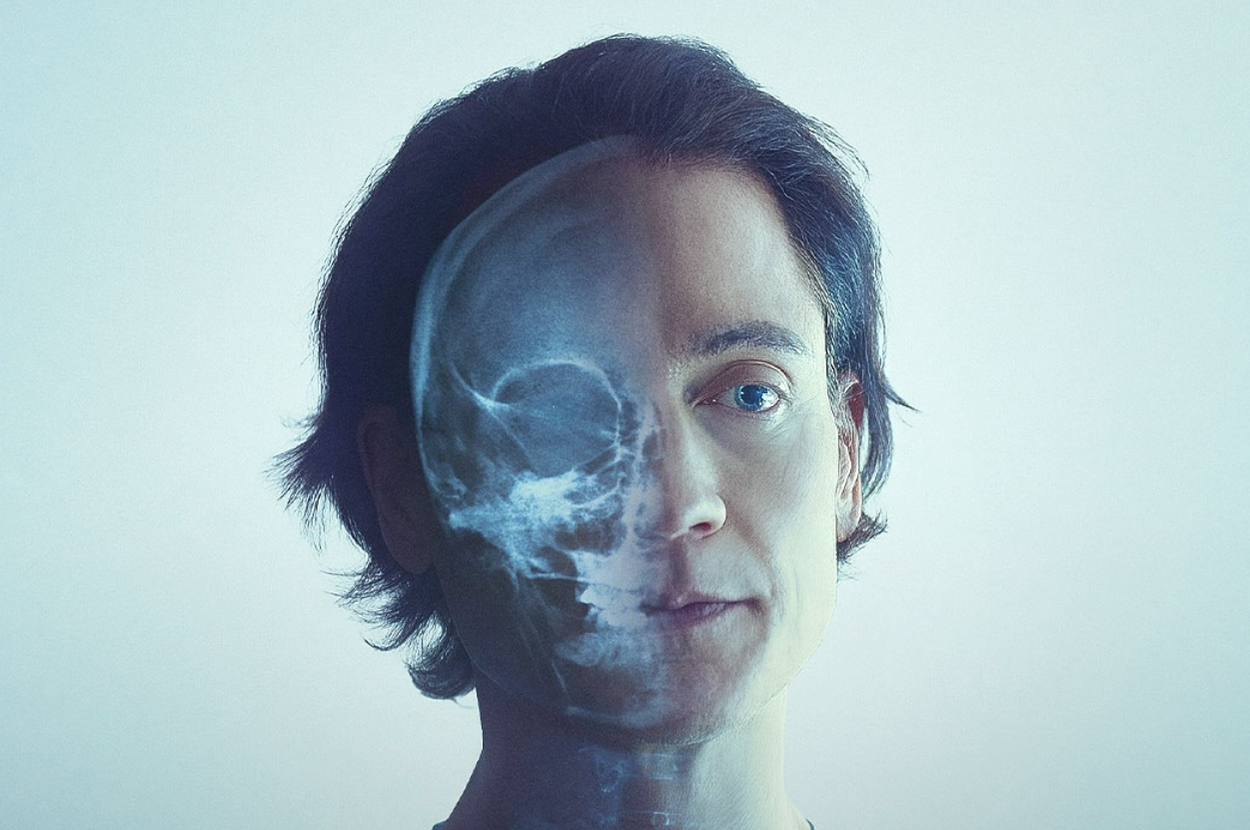
Somewhere along the way, looking after ourselves became less about "drink your two litres, eat your greens, and get your steps in" to a murky area of self-surveillance.

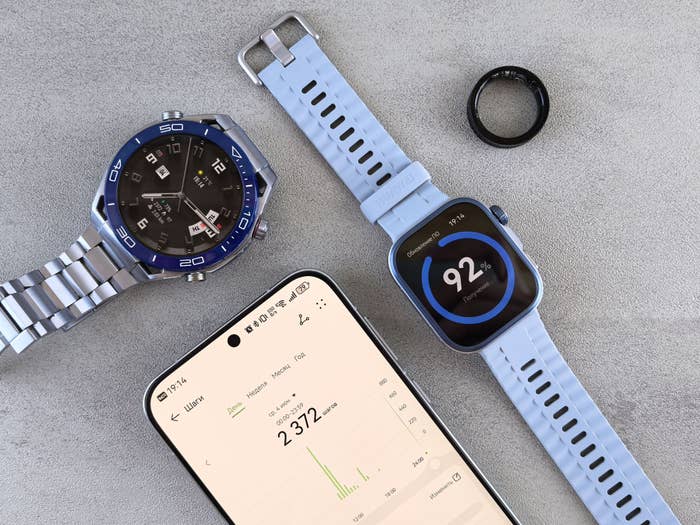
In a bleak dystopian twist, we started strapping on devices that track how we sleep, eat, walk, and even monitor our stress levels (like we need a reminder mid panic attack).

Meanwhile, a quick scroll through socials and you’ll find self-described ‘wellness gurus’, 'life coaches', and biohackers selling you expensive supplements, glucose monitors, and gadgets that claim to unlock your "full potential".

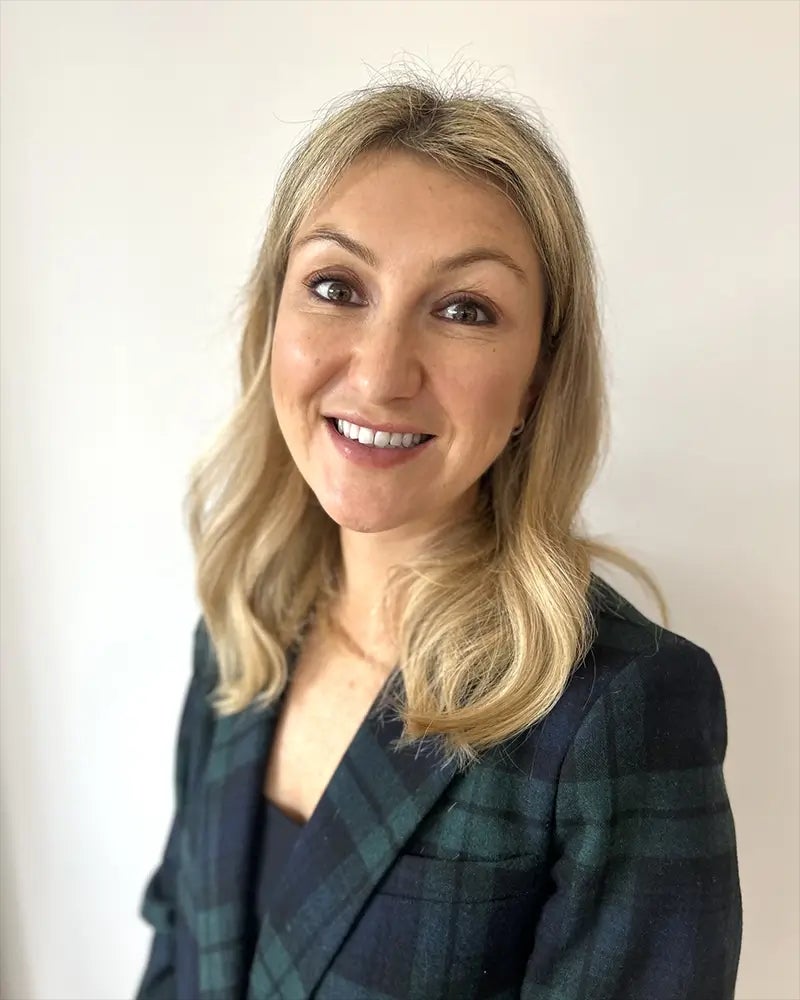
But according to Dr Lucy Viney, clinical psychologist and co-founder of The Fitzrovia Psychology Clinic, good health is not simply about chasing longevity or improving metrics.

Rather, “it is the capacity to live well: to function, connect, recover, adapt, and maintain a reasonably stable relationship with one’s body."

Dr Viney says the issue is not that we care about our health more than previous generations – in many ways, greater awareness around sleep, mental health, nutrition, and movement has been positive.

“Health information is most useful when it increases agency,” she shares. “It becomes less useful when it creates the feeling that every normal human variation – a poor night’s sleep, a skipped workout, a stressful week – is a problem to be fixed immediately.”

I bought into the longevity crowd for a while – and, admittedly, I still find Bryan Johnson fascinating. Not necessarily because I want to copy his entire routine (I’ll be skipping the son’s erection tracking, blood transfusions, and more recently his controversial newborn baby clone, thanks), but because watching someone push the boundaries of human optimisation is like watching a science experiment play out in real time.

The funny thing is, some of our morning habits aren’t actually that different. I’ve always been an early riser, and things like breathing exercises, red light therapy, and getting outdoors within the first hour of waking up have genuinely been some of the few “optimisation” habits that have stuck – not because they promise immortality, but because they simply make me feel better.

And while I’m not blaming Johnson (who is probably strapped to a machine somewhere), my obsession with longevity slowly transformed from a passion into a dictatorship – and I was both the ruler and the prisoner. If I stepped outside of my self-imposed rules, I couldn’t accept that I’d just had an “off day”. I had failed.

I was a seasoned optimiser, a chronic overplanner, and someone who tracked and "optimised" almost every part of life – from sleep to stress, and even biological age. Everything was meticulously planned down to the minute, and if I ran over, a delay happened (you can only imagine me in Euston), or an unexpected calendar invite appeared, I’d be thrown off completely because I had become so fixated on the disruption itself.

In my mind, the whole day had gone to shit.

While I’m still very much the nightmarish ‘Type A’ friend, I slowly realised that the habits I had convinced myself were dedicated to my health and wellbeing weren’t really about health anymore. Instead, they were rooted in anxiety and control – and extreme optimisation culture was feeding it.

This is where it can become problematic, Dr Viney shares. While tracking sleep, exercise, and nutrition can be useful, it can also shift health behaviours “from supportive to threat-based”.

“Instead of asking, ‘What helps me feel well?’, the person starts asking, ‘Have I done enough? Am I falling behind? Is this metric bad? Am I damaging my future?’” she says.

For some people (including myself), she adds, this can feed into health anxiety, perfectionism, and compulsive checking – with people becoming preoccupied with sleep scores, recovery data, or whether they have done enough to protect their future health.

While discipline and self-control are valuable traits to have, I slowly realised I was missing out on actual life.

“The tipping point is usually not the behaviour itself, but the function of the behaviour,” Dr Viney explains. “They become more problematic when they start to narrow life, create fear, or become rigid rules that the person feels unable to break.”

She suggests asking: “Is this behaviour increasing freedom, or reducing it?”

Now, I'm not here to say health isn't wealth and we should all go off the rails, but in retrospect, I was trying to eliminate uncertainty, and every decision turned into a calculation.

Dr Viney describes this constant cycle of tracking, comparing, and correcting as “threat-monitoring”.

“The person may become more reactive, more self-critical, and more dependent on external data to decide whether they are ‘okay’,” she explains.

When people are constantly striving, tracking, comparing, and correcting without enough recovery, Dr Viney says the mind can remain in this state, which can increase worry, irritability, sleep disturbance, and the feeling of never being “done”.

My wake-up call came earlier this year, when I was forced to confront the irony of tracking every aspect of my life while being unable to control the one thing I was trying hardest to optimise: my health.

After believing I was doing everything "right" in the name of longevity, I found myself on a weeks-long tour de hospitals for something entirely unexpected and unrelated, passed around for bloods, scans, and tests I still can't pronounce.

Thankfully, the findings came back all-clear.

Health is incredibly important – but it's also one of the few things you'll never completely control. No amount of money, connections, supplements, wearables, biohacking programmes, or perfectly optimised morning routines can exempt you from the unpredictability of life.

It all suddenly felt hollow, and not to mention, it's a pricey passion to have. I've since been in the process of "un-optimising" myself.

That doesn't mean giving up on my health, but it means remembering why I cared about it in the first place.

And it seems I’m not alone in that realisation. Across social media, there’s been a noticeable shift away from rigid wellness routines and towards a more balanced approach, with people questioning whether every aspect of their lives really needs to be turned into a measurable goal.

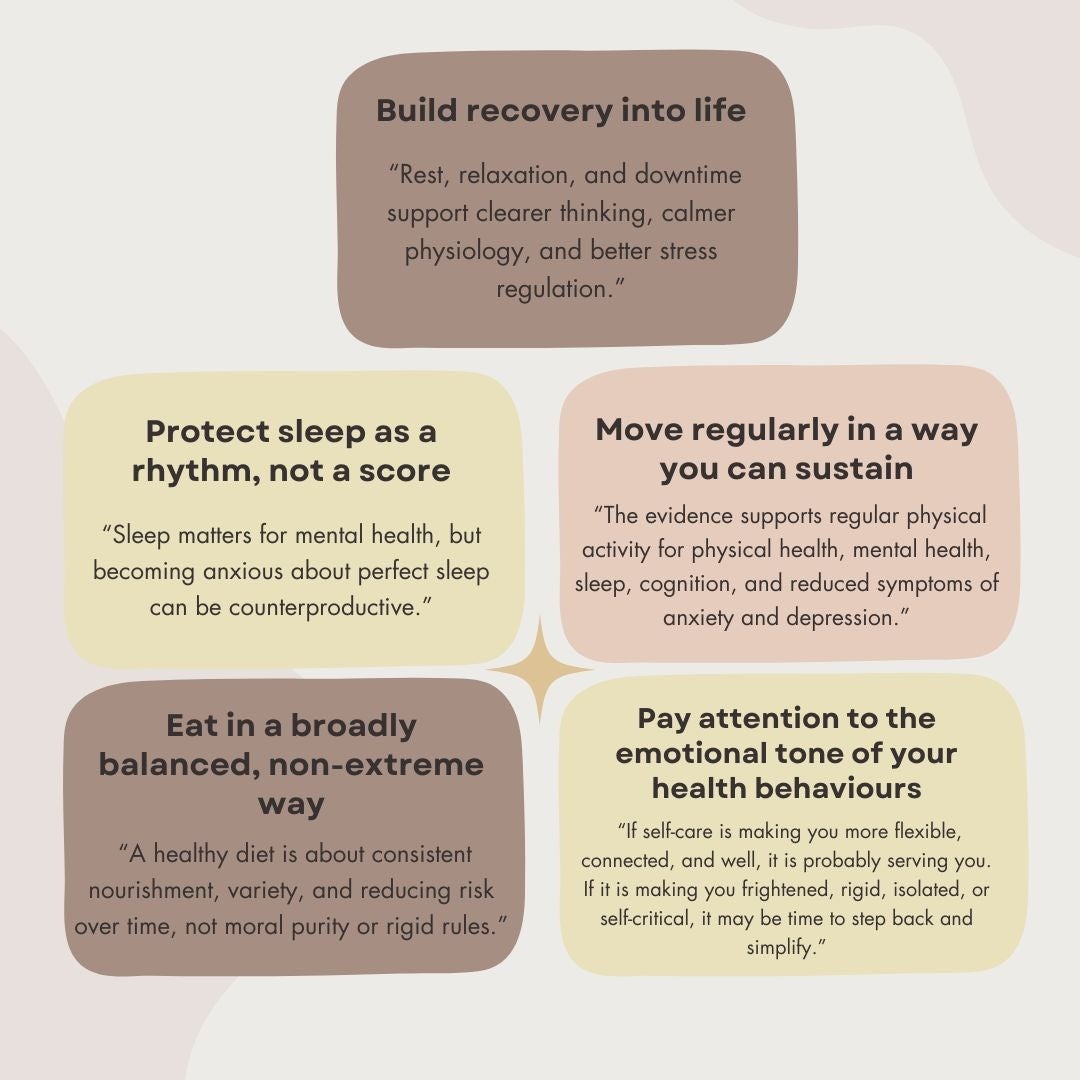
Dr Viney says this flexibility is actually a crucial part of a healthy relationship with wellbeing.

“If someone can miss a workout, eat flexibly, sleep imperfectly, or take a day off without significant distress, that is usually a healthier relationship with self-care,” she says.

“From a clinical psychology perspective, part of health is tolerating imperfection without catastrophising it,” she adds.

I still want to live a long life; I just don't want to spend so much time preparing to live that I forget to actually do it.