huffpost Press
Senate Rejects Resolution To End Iran War
Images
1 / 7

2 / 7
3 / 7

4 / 7

5 / 7

6 / 7

7 / 7
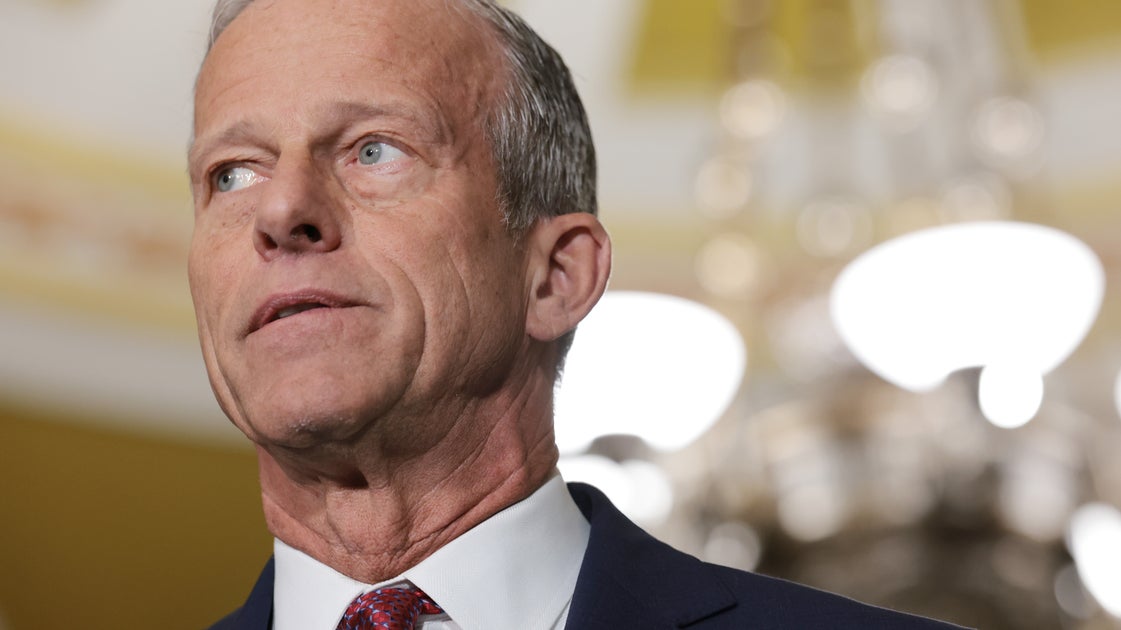
WASHINGTON — The Senate rejected a resolution to end the war on Iran in a mostly partisan vote on Wednesday, with Republicans choosing not to check President Donald Trump even after he threatened to end Iranian civilization earlier this month.

The resolution failed by a vote of 52 to 47, with one Democrat opposed and one Republican in favor. It’s the latest in an ongoing series of war votes Democrats are forcing as the Iran war drags through its second month with no clear end in sight.

“We’re in a crisis that’s growing and the Senate is choosing to do nothing,” Sen. Cory Booker (D-N.J.) told HuffPost. “I mean, that’s the stunning thing. No checks, no balances, no accountability. We had no open hearings. It’s crazy.”

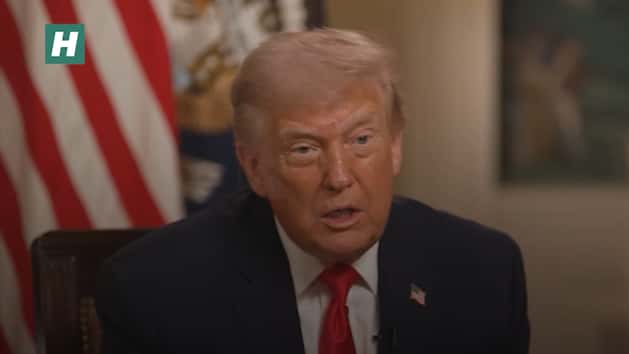
Trump said in an interview aired Wednesday the war is “close to over,” the latest in an ongoing series of vague and sometimes contradictory statements about the purpose and endgame of the conflict.

“He has said exactly opposite things about this war almost every day for six weeks, which is making it hard for our allies and members of Congress to know what he actually intends,” Sen. Chris Coons (D-Del.) told HuffPost.

The war is currently in a shaky ceasefire as the U.S. and Iran struggle to negotiate a peace deal addressing Iran’s nuclear ambitions and the Strait of Hormuz, which Iran closed to oil tankers, causing gas prices to spike, and which the U.S. has now blockaded in retaliation. The ceasefire announcement came only hours after Trump threatened to eradicate the “whole civilization” of Iran.

Higher gas prices were a major factor in overall inflation surging last month — a major political problem for a president and a party that won control of the government in 2024 thanks largely to voters’ affordability concerns.

Sen. Rand Paul (R-Ky.), the lone Republican to vote for ending the war, said more Republicans might join him as the conflict nears its 60th day around May 1. The War Powers Resolution, the 1973 law allowing members of Congress to force antiwar votes in the House and Senate, requires the president to certify in writing the need for continued use of force after 60 days.

“I think the longer the war lasts,” Paul said, “the more people will begin to think about, ‘Is this something that we should just let just the executive branch decide?’”

House lawmakers have also signaled they’ll keep forcing war votes even if they’re not successful.

“I think we have to keep making the case that this war should stop and putting numbers on record,” Rep. Adam Smith (D-Wash.), the top Democrat on the House Armed Services Committee, told HuffPost. “As it becomes increasingly obvious what a bad idea this was, put people on record, make the case, try to get them to change their mind. It’s what we can do, and it’s what we should do.”

By entering your email and clicking Sign Up, you're agreeing to let us send you customized marketing messages about us and our advertising partners. You are also agreeing to our Terms of Service and Privacy Policy.